


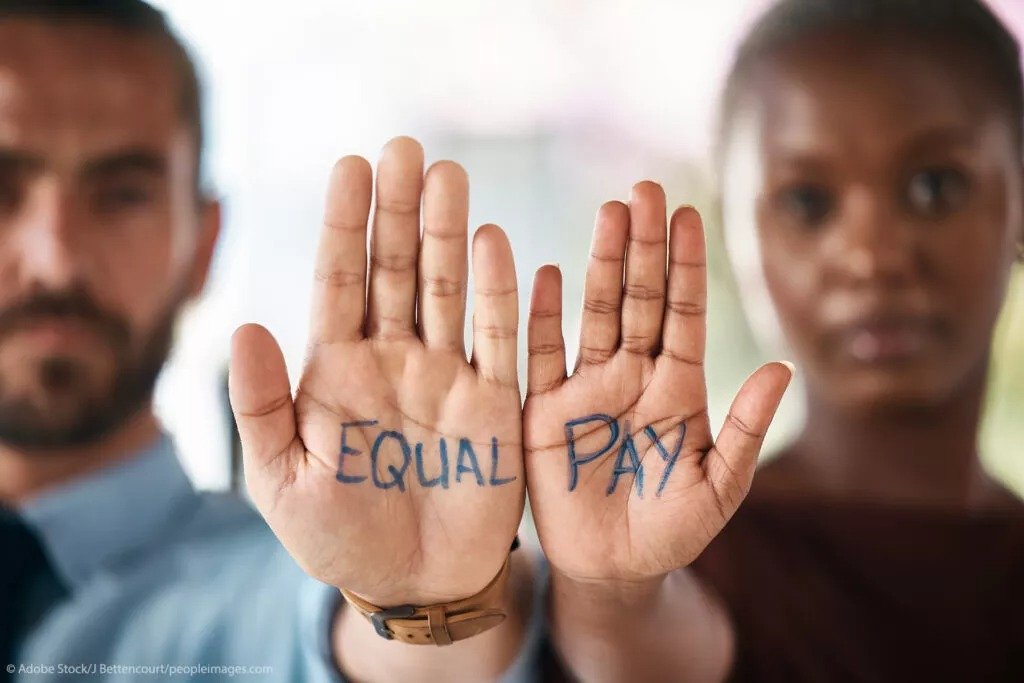
The gap between men’s and women’s total earnings from professional activities has significantly narrowed, albeit at a declining pace, whilst women continue to be paid less than men for the same work, according to a European Central Bank (ECB) analysis.
Labour market inequality “prevents us from making the best use of all talents, leads to inefficiency and misallocation of workers,” noted researchers Clémence Berson, Vasco Botelho, Luis Guirola Abenza, Laura Hospido, Friderike Kuik, Christiane Nickel and Manuel Rojo Lopez in the report published on the ECB blog to coincide with International Women’s Day.
The analysis highlights substantial regional variations in gender employment patterns across the eurozone.
“While we find that the gender gap is decreasing throughout the eurozone, there are significant regional differences. These depend on labour market characteristics, national policies and culture,” the analysts stated.
In Northern European countries, particularly Finland, the wage difference between genders is relatively small.
The researchers explain that Eastern European and Baltic nations have more equitable working environments regarding employment rates and working hours, attributing this to “the legacy of the socialist regime that promoted women’s economic inclusion”.
Western European countries have seen convergence in male and female employment rates, with many women entering the workforce often in part-time positions, especially in Austria, Germany and the Netherlands.
Southern Europe has also significantly reduced the gender employment gap, driven by a higher percentage of women working full-time rather than part-time.
Portugal, which historically maintained minimal gender employment differences, represents a particular success case in this region.
“If governments seek to close the gender gap in labour markets, state policies should target the barriers faced by women, for example with paid parental leave policies and investments in the childcare system. Academic studies have emphasised the importance of childcare, especially during the early years, for women’s participation in the labour market,” the report states.
The authors conclude that public policies “cannot fully address every cause of gender differences in the workplace, which are often linked to discrimination and unconscious bias against women”.
They suggest that guiding young women towards more scientific careers could help reduce existing gender gaps by offering alternatives that women traditionally do not consider, whilst institutional initiatives such as mentoring, training and development programmes can empower women and provide them with the tools needed to succeed.
Read more:

