


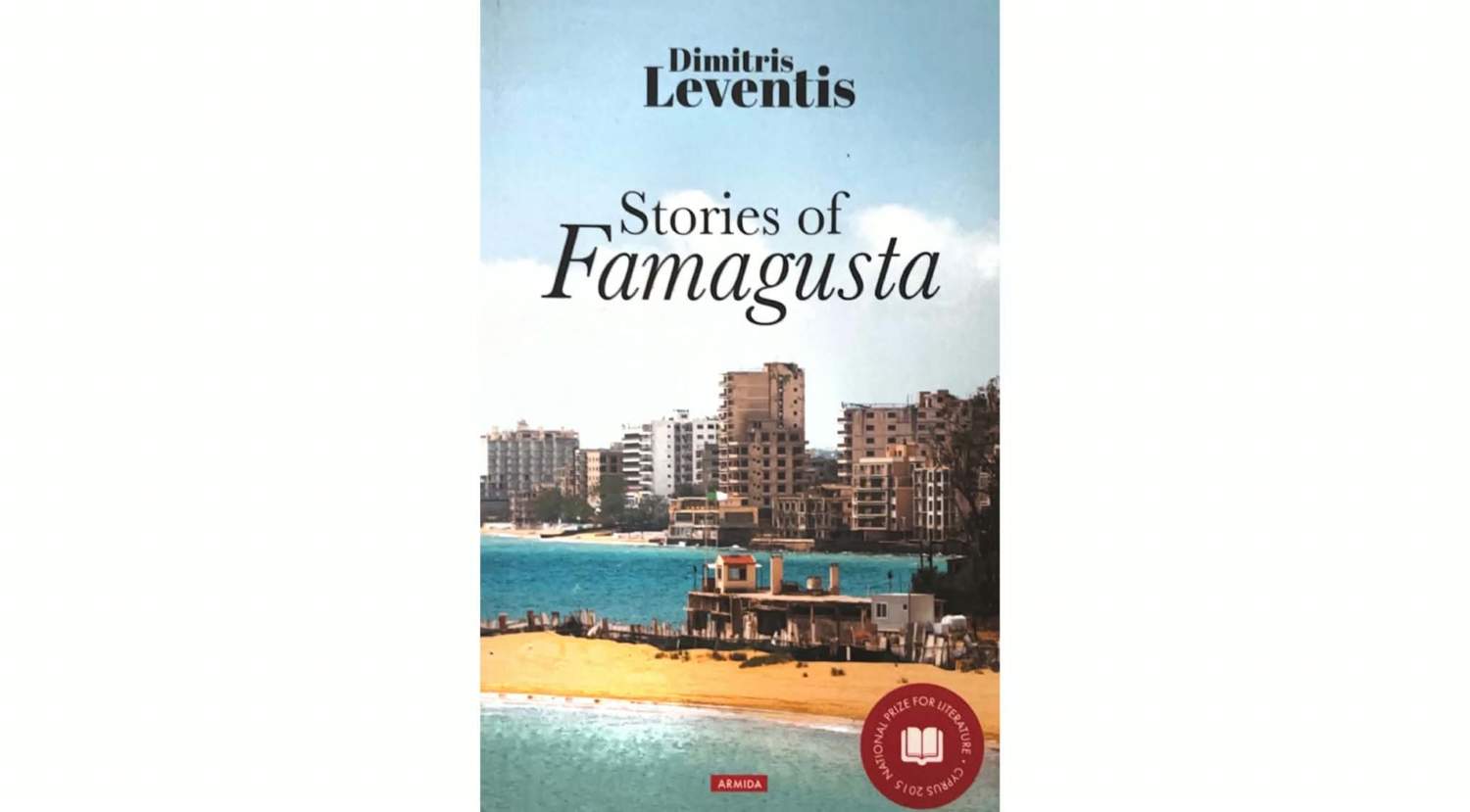
Demetris Leventis’s collection of short stories Stories of Famagusta carries readers through the different experiences of Famagustan residents. The tales depicted in the collection illustrate the lives of inhabitants through time and location, taking readers on a dreamlike journey through the ghost town.
The collection explores a variety of characters, spanning from children to EOKA members, with each featured story being strung together by one common factor: the culture of their city.
The lives of refugees before they were classified as such are illustrated in depth, with some of the stories taking readers from the beginning and ends of the protagonists’ lives, whether that means an untimely death, or a natural passing.
Leventis also depicts objects as main subjects in some stories; in one tale, ‘The Cart Maker,’ a man’s life seems to revolve around his determination and love for handcrafting carts. Readers get to see the man through his youth into his old age, and how his craftmanship and relationship with Cyprus develops.
The elderly are portrayed in a deeply touching manner, their grief seeming to engulf readers at the beginning of their stories, slowly getting duller toward their end, somewhat mirroring grief’s own lifespan.
One of the most interesting depiction in the collection is Leventis’ presentation of the roles and experience of children during the events surrounding 1974, and their departure from innocence into adulthood. One of the more touching examples of this is the friendship between a Greek Cypriot and Turkish Cypriot that seems to go south after they grow into young men, their friendship ruined by tensions.
The endurance of innocent civilians stood out significantly in Stories of Famagusta; their lives before the division and the consequences thrust onto them by those in power. These tales are particularly touching due to the looming grief, despite having no mention of the Cyprus problem and its cause.
One tale in particular, ‘The Chameleon’,allows readers to look into the life of a grandfather and granddaughter; their simple every day routine is touching, with Leventis’s simple prose in this particular tale matching the simplicity of a life before divide, normalcy before the switch, which is also subtly hinted at through the chameleon’s own changes.
Community in Leventis’ writing stands out significantly, with human connection being a core theme throughout the stories. The lives of lovers, friends, family and unlikely acquaintances all feature in the collection. The dissolution of connection evokes a sense of numb grief throughout, with each lasting relationship, even those strained, acting as a glimmer of hope in the rubble of what once was.
‘The Immigrant,’ in particular, delves into the lives of refugees who moved abroad, their fight to stay connected to Cyprus, and the conflict between their identities abroad, and back home. Leventis also explores the distinction between refugees and their children, and their own perceptions of ‘home’
Resilience seems to be a large theme throughout the collection. No matter where each character is in their own story, time or location, all roads lead back to Famagusta, to their memories and ability to keep their memories alive.
Whether through food, craft, or shared culture, the ghost town is brought to life in Leventis’ Stories of Famagusta.
Find Stories of Famagusta here.

