


From Spain’s historic general strike to student-led demonstrations across the continent, a generation is demanding affordable homes, decent wages and a future beyond economic insecurity.
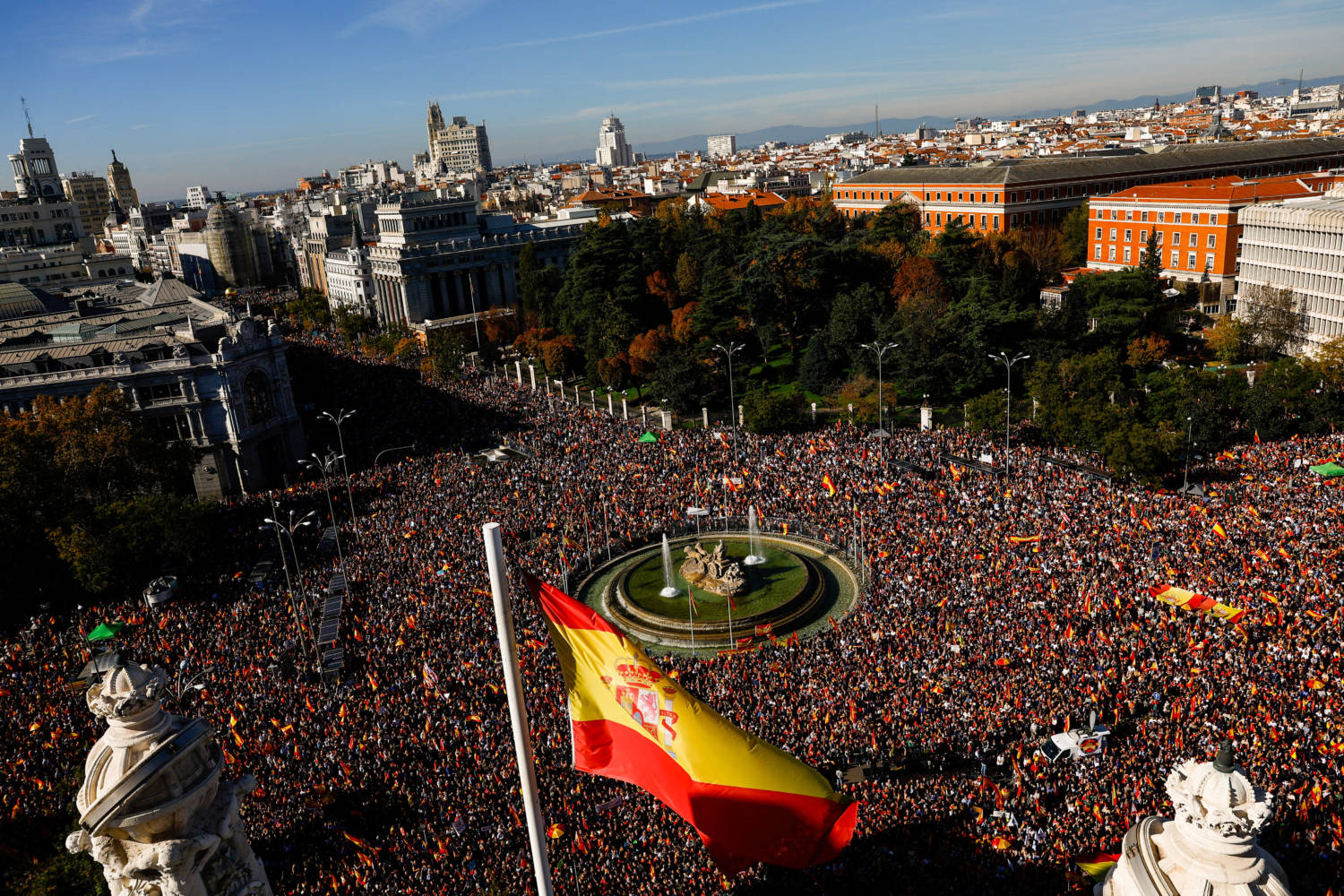
In central Madrid, hundreds of thousands of people marched through the streets on Wednesday, chanting, dancing and holding keys above their heads. The keys symbolised something increasingly out of reach for young Spaniards: a home of their own.
Spain’s first general strike in 14 years was about more than wages.
Under the slogan “Wages, housing and prices”, demonstrators challenged an economic reality in which a career no longer guarantees financial independence. Their message was directed not only at employers, but at governments of every political colour accused of failing to tackle the country’s housing crisis.
And Spain is far from alone, as we have seen from Paris to Belgrade, a generation is increasingly taking its frustrations to the streets, questioning an economic and political system that appears to offer them little beyond precarious employment, unaffordable housing and an uncertain future.
A generation priced out of adulthood
Housing has become one of the most visible fault lines in Europe’s generational divide. In Spain, rents have increased by around 80 per cent over the past decade, while wages have struggled to keep pace, according to Eurostat. For many young people, moving out of the family home, renting independently or saving for a property has become an increasingly distant prospect.
The problem extends across the continent. In major cities such as Brussels, Paris, Athens and Nicosia, housing costs have risen beyond what many young workers and students can reasonably afford.
According to Eurostat, 24.2 per cent of Europeans aged 15 to 29 were at risk of poverty or social exclusion last year. Additionally, a European Commission comparative report found that 27 per cent of young Europeans lived in overcrowded housing in 2024.
A university degree, once considered a reliable route to financial stability, increasingly offers no such guarantee as graduates enter labour markets marked by temporary contracts, stagnant wages and fierce competition, only to discover that much of their income is swallowed by rent, food and transport.
From Madrid to Nicosia: Is Cyprus undergoing a similar situation?
Across Europe, young people have been mobilising around deteriorating public services, political corruption, climate concerns and a growing sense of democratic exclusion. Cyprus, however, presents a different, but increasingly familiar, version of the same problem.
Although the island has some of the EU’s lowest overall housing-cost burdens and overcrowding rates, rising rents and property prices are making it harder for younger people to establish independent lives.
According to Eurostat, rents in Cyprus rose by 4.2 per cent year-on-year in March 2026, outpacing the EU average of 2.9 per cent. Young Cypriots also leave their parental homes at an average age of 27, compared with 26.3 across the EU.
Behind these figures lies a growing mismatch between the housing available and what younger households can afford. With investment and demand putting pressure on the market, the challenge is increasingly about access: not simply whether homes exist, but whether young people can afford to live in them.
More than a protest about money
Economic insecurity is only part of the story as climate anxiety, international conflicts and fears over democratic backsliding have reinforced the feeling that young Europeans are inheriting a future shaped by crises they had little part in creating.
For many, the frustration is no longer simply about earning enough money, but more so about having some control over their lives.
The Spanish strike exposed the contradictions of a country that can experience economic growth while large sections of its younger population struggle to secure housing. It also demonstrated that dissatisfaction is no longer directed exclusively at conservative governments. The Tenants’ Union openly criticised Spain’s progressive government, accusing it of failing to deliver meaningful housing reforms.
They reflect a growing demand for political accountability, regardless of who holds office.
A future worth living
It would be simplistic to describe every demonstration as part of one unified European uprising. The demands differ, the political contexts are distinct, and not every protest is without controversy. But dismissing the unrest as youthful impatience would be equally misleading.
The message emerging from Europe’s streets is remarkably consistent.
Young people do not want to spend their twenties and thirties merely managing insecurity. The demands are decent jobs, affordable homes, functioning public services and the ability to imagine a future without constant financial anxiety.
(Sources: Eurostat, European Commission, Euronews)
Read more:

