


A government proposal to raise the number of insurance years needed to retire at 63 from 33 to 38 has sparked debate on social media in recent days. Some workers and the Pancyprian Federation of Labour (PEO) say the change worsens the conditions for retiring at 63, as it effectively limits that right.
The increase is part of the government’s pension reform bill and was adopted to offset a decision to reduce the 12 per cent penalty for retiring at 63. The higher requirement aims to secure the financial sustainability of the Social Insurance Fund and to prevent uncontrolled early exits at 63.
In a statement issued a few days ago, PEO said that not counting periods of study and childcare towards pension entitlement “creates new injustices”, also affecting widows’ and disability pensions. Under the new method of calculating the basic pension, the union said, the basic pension at 63 would be 15.4 per cent lower than at 65, while the 12 per cent cut to the earnings-related part of the pension would remain.
PEO also said the government’s proposal was inadequate in tackling poverty among current pensioners and would harm future pensioners by imposing stricter conditions for establishing pension rights.
Minister before parliament
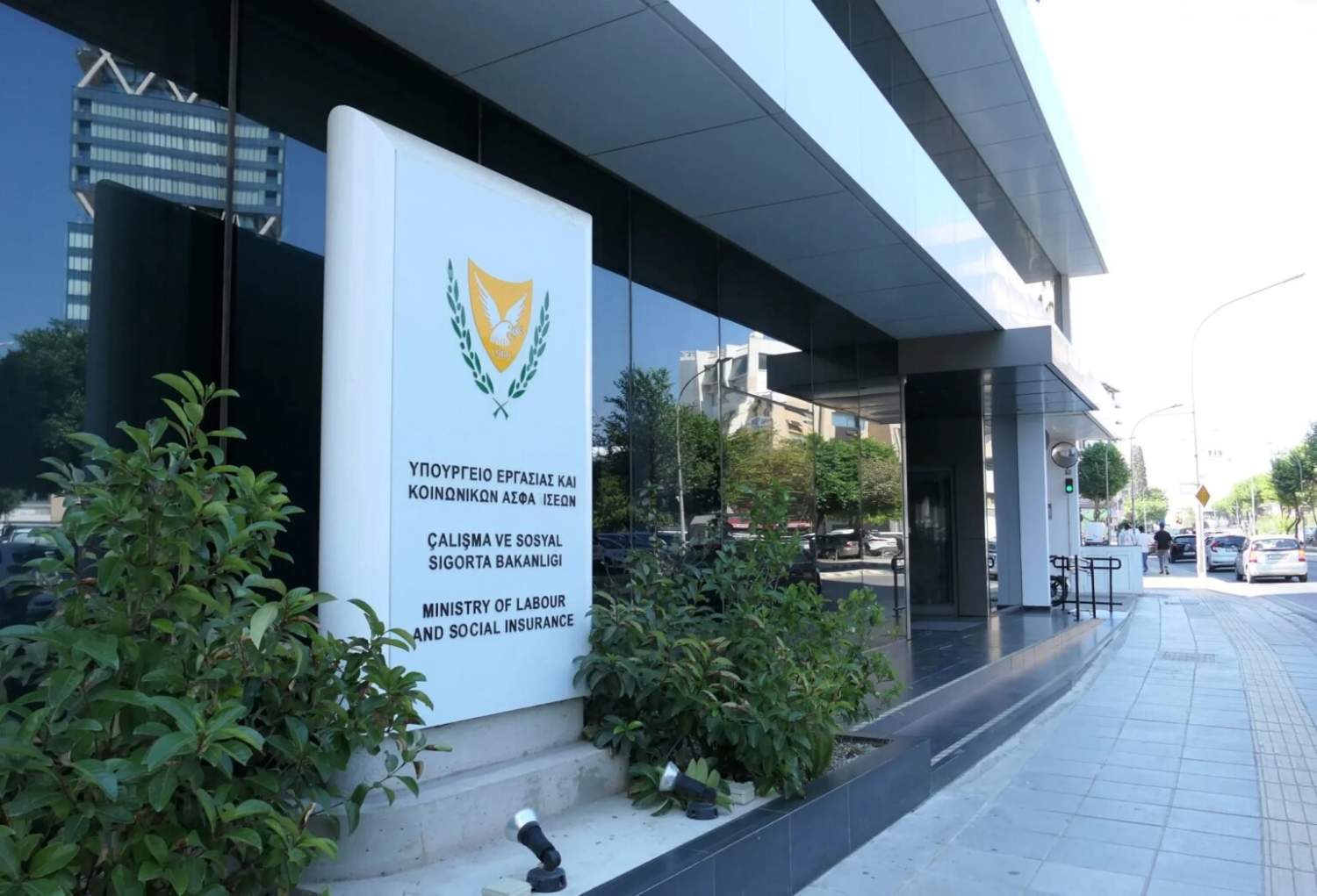
Labour Minister Marinos Moushouttas is expected to appear before the House Finance Committee on Monday, 16 November, for the discussion of his ministry’s budget, where parliament members are set to question him on the reform.
The bill goes to parliament without broad consensus having been reached at the Labour Advisory Board. Joint sessions of the Finance and Labour committees remain possible once parliament begins examining it.
Parliament cannot increase state spending on its own, so any more generous changes would need the government’s agreement. Moushouttas has committed to the reform taking effect on 1 January, with pensioners receiving higher payments from the first payment of the year, in late January or early February.

