


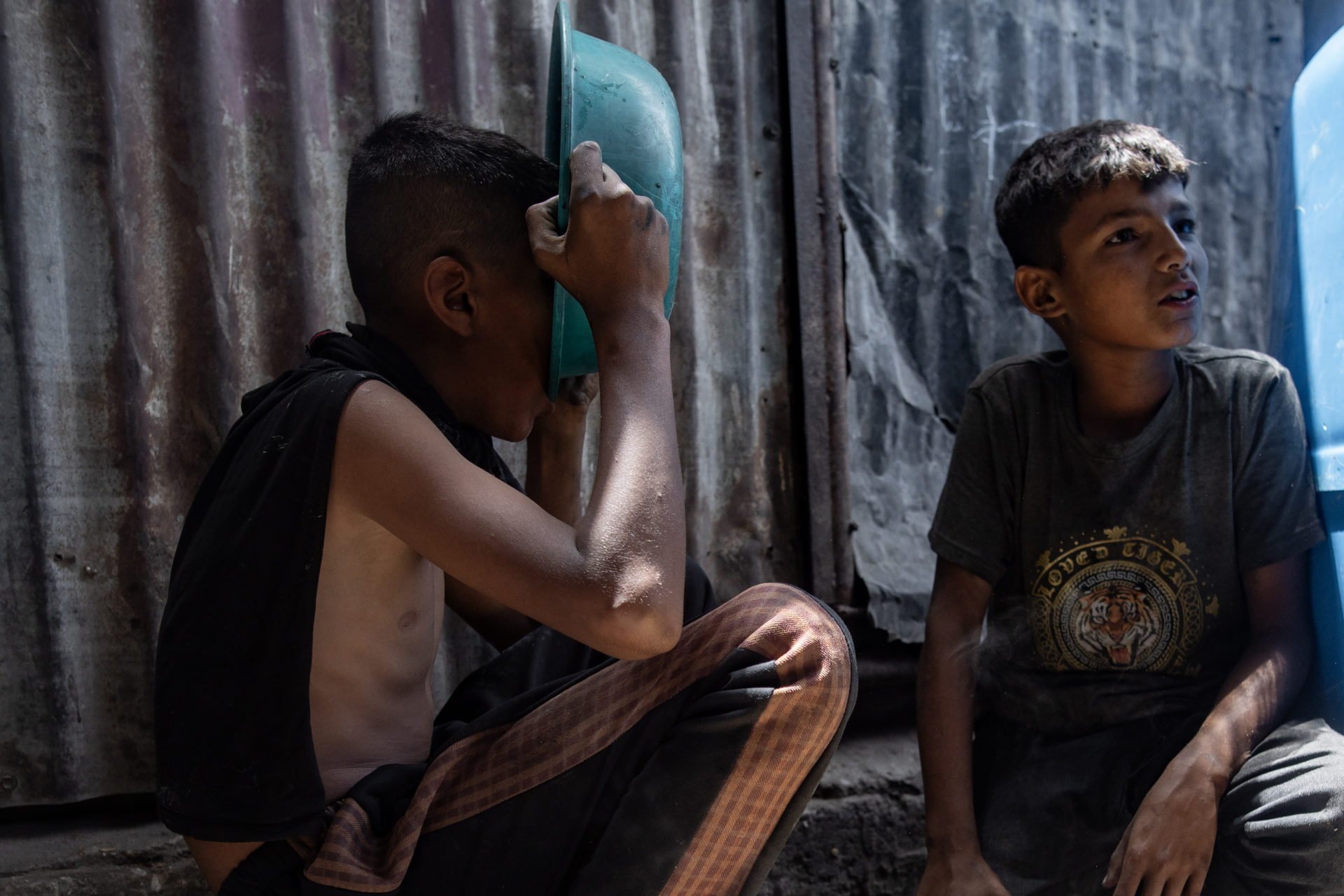
Four leading international news organisations have issued a joint statement expressing alarm that their journalists in Gaza are increasingly unable to feed themselves and their families.
AFP, Associated Press, BBC News and Reuters said their correspondents, who have served as “the world’s eyes and ears on the ground in Gaza” for many months, now face the same dire circumstances as those they are covering.
“We are desperately concerned for our journalists in Gaza, who are increasingly unable to feed themselves and their families,” the organisations said in the joint statement.
The news outlets said they are “deeply alarmed that the threat of starvation is now one of them” among the deprivations and hardships journalists endure in war zones.
The statement called on Israeli authorities to allow journalists in and out of Gaza, describing such access as “essential.”
“It is essential that adequate food supplies reach the people there,” the organisations said.
A joint statement on Gaza from AFP, AP, BBC News and Reuters pic.twitter.com/E9b1gTYDpu
— BBC News Press Team (@BBCNewsPR) July 24, 2025
The humanitarian situation has declined markedly, with international aid organisations reporting widespread food insecurity affecting the territory’s 2.3 million residents, caused by an Israeli blockade of aid. The World Food Programme and other agencies have repeatedly warned of famine conditions in northern Gaza.
Israeli authorities have maintained strict controls on journalist entry since conflict escalated in October 2023. Foreign correspondents typically require Israeli military coordination for access, with approvals granted sparingly.
Local Palestinian journalists have maintained primary coverage responsibility, operating under increasingly dangerous conditions. The Committee to Protect Journalists has documented significant casualties among media personnel since the war started.
Read more:

