


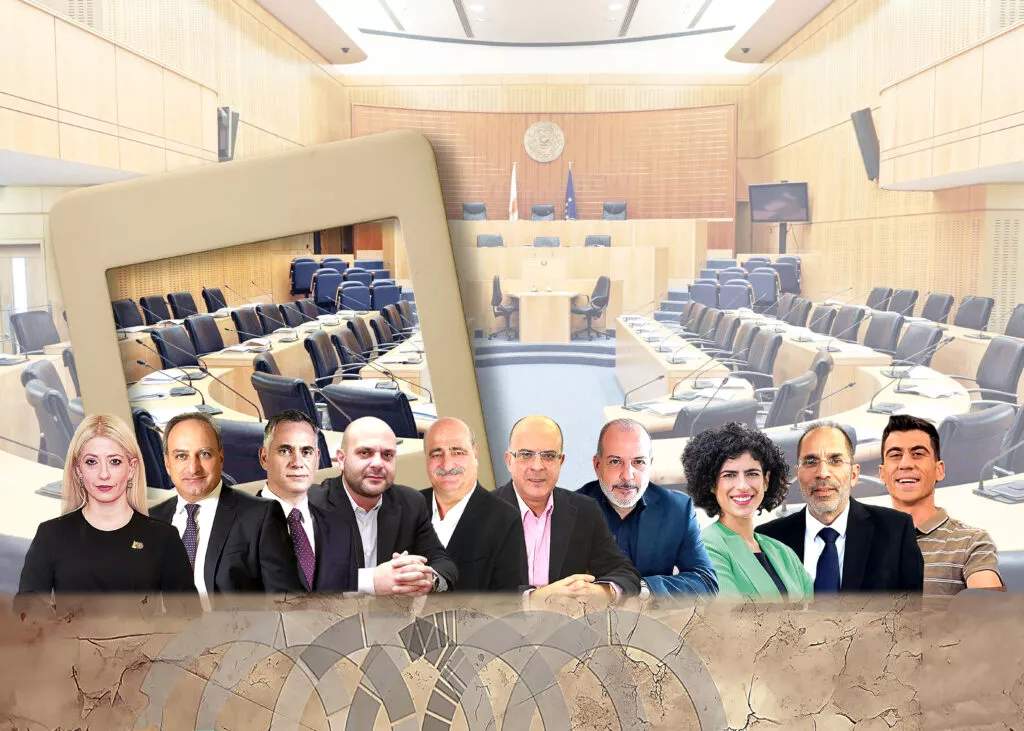
Is it a trend? A strategy? Whatever it is, playing the martyr to milk public sympathy is not politics. And yet in Cyprus, a depressingly familiar pattern keeps repeating itself: every so often, a new “victim of the system” materialises — someone who presents themselves as an outsider, a change-bringer, a lone crusader — only to find themselves, conveniently, at war with the very machinery they claim to oppose.
At some point we need to come down from our pink cloud and ditch the fantasy of political “revolutions.” We’ve seen this show before. Several times, in recent memory.
In 2013, Giorgos Lillikas cast himself as the above-the-fray independent, an alternative for voters sick of the parties, promising a clean break with the establishment. In 2018, Annita Demetriou — then a young, relatively inexperienced press spokesperson in Nikos Anastasiades’s camp — built public affection around a soft, agreeable image, burnished partly by contrast with sharper, more combative figures like Irene Charalambidou, who was fronting Stavros Malas’s campaign at the time.
In 2023, the role went to Nikos Christodoulides, marketed as the independent who would crack heads and break the party stranglehold.
At the 2024 European elections, social frustration curdled into rage, and a significant slice of the electorate saw in Fidias Panayiotou a vehicle for revenge against the system — and duly sent him to the European Parliament.
Now, ahead of the next round of elections, ALMA — the party of Odysseas Michaelides — appears to be auditioning for the same part. Every piece of political criticism is reframed as targeted persecution. Every counterargument gets rebaptised as “the system’s war” on them. Mainstream party representatives are written off en masse as cogs in a corrupt machine, and any pushback against accusations is read not as legitimate political debate but as further proof of the witch-hunt.
What is worth pointing out is that the victim narrative is rarely just a communications trick. More often it functions as a get-out clause — a way of dodging substance entirely. Instead of policy, you get emotion. Instead of proposals, you get grievance. Instead of accountability, you get a carefully constructed enemy. Political debate degenerates into a contest of impressions, where evidence and scrutiny are quietly pushed to the back of the room.
But politics is not theatre. It is not a casting call. It is not a stage for melodrama — it is a domain of responsibility and accountability. Public anger is real and legitimate. The search for alternatives is healthy and necessary in any democracy. But when reason retreats before populism and image swallows substance, that is not progress. It is regression dressed up as rebellion.
Politics must be built on the collision of ideas, policies, and track records — not on managed personas and manufactured sympathy. In that arena, credibility is not won through persecution narratives. It is won through argued positions, consistency, and political courage.
If society keeps rewarding the victim act, it will keep recycling the same illusions — and getting the same absence of real change. Genuine political renewal will not come from those who bank on compassion. It will come from those willing to put forward realistic proposals, absorb criticism, and fight their corner with arguments rather than roles. The responsibility, in the end, does not rest with politicians alone. Citizens too must do their part — demanding substance over spectacle, rewarding seriousness over easy emotion, and building a political culture grounded in genuine public debate.

