


Boats would be banned from leaving port in bad weather, under limits set by their length, according to draft regulations put out to public consultation by the Deputy Ministry of Shipping. Those who break a ban could be arrested without a warrant and face up to two years in prison or a fine of up to 8,500 euros.
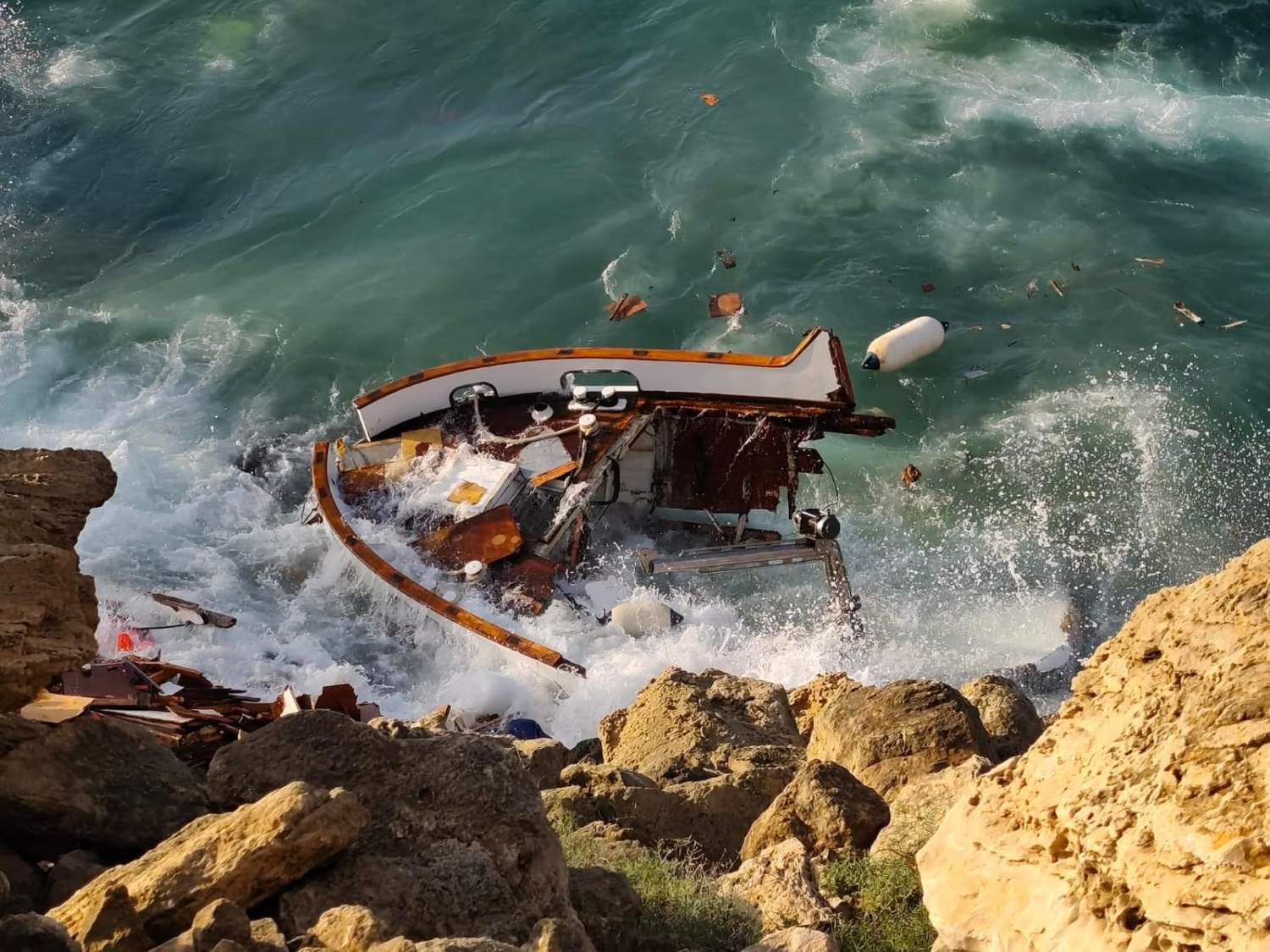
The draft was published on October 23 and is open for consultation until November 6. It comes almost two months after rough seas at Cape Greco on August 29 claimed the life of Dimis Mavropoulos, an incident that prompted the government to speed up efforts to close a gap in maritime safety law.
Private vessels under 300 gross tonnage cannot currently be banned from sailing, according to the explanatory report accompanying the regulations. Ships of 300 tonnes or more are already covered by the merchant shipping law, which allows the Deputy Ministry of Shipping to recommend or ban departures and arrivals in particularly bad weather or sea conditions.
The new regulations would cover Cypriot and foreign vessels under 300 tonnes, as well as coastal passenger vessels of any size.
Weather limits
The draft sets wind and sea limits according to the length of the vessel. Boats up to nine metres long would be barred from sailing when winds of force 5 or above and at least moderate seas are forecast.
The threshold rises with size: force 6 and moderate seas for vessels of 9.01 to 25 metres, force 7 and moderate to rough seas for 25.01 to 40 metres, force 8 and rough to very rough seas for 40.01 to 75 metres, and force 9 and very rough seas for vessels over 75 metres.
The ban would apply only when the official forecast in force predicts both the wind and sea conditions. It would cover the areas for which those conditions are forecast, and apply to departures from ports, port facilities, fishing shelters, marinas and leisure moorings.
Arrests and penalties
Under the draft, police could arrest without a warrant anyone who breaks or obstructs a sailing ban. Regulation 8 makes breaking the ban, or failing to meet the obligations on vessels already at sea, a criminal offence, punishable on conviction by up to two years in prison, a fine of up to 8,500 euros, or both.
The regulations also provide for administrative fines under the laws ratifying the SOLAS international convention.
Police would enforce the bans together with the Deputy Ministry of Shipping, the Cyprus Ports Authority, the Fisheries Department, the Joint Rescue Coordination Centre (JRCC) and port and marina operators.
Vessels already at sea
Under Regulation 5, a vessel outside port when a ban takes effect would have to stay in a safe place of shelter or head immediately to the nearest safe port, port facility, fishing shelter, marina or mooring.
Skippers would also have to follow announcements from the JRCC’s Cyprus Radio coastal station, which comes under the Defence Ministry, and from police officers. Failure to do so would carry criminal penalties.
Exemptions
Sailing boats taking part in sporting events are exempt from the ban. Warships, vessels owned or used by the Republic, and vessels involved in search and rescue operations on the instructions or with the approval of the JRCC also fall outside the regulations.
How bans would be issued
Under the draft, the Department of Meteorology, which issues an official sea forecast four times a day covering waters up to eight kilometres from the coast, would alert the Deputy Ministry of Shipping when conditions meeting the ban criteria are forecast. The Deputy Ministry would then announce the areas, vessel categories and start and end times of the ban.
The announcement would be broadcast by Cyprus Radio over VHF and NAVTEX, and operators of ports, marinas and fishing shelters would have to inform vessels moored or anchored in their areas without delay. Regulation 6 requires every skipper or operator to check the official forecast before setting out and not to endanger the vessel or those on board.
Stopgap until a coastguard is set up
The regulations follow a Cabinet decision on September 4 instructing officials to examine whether sailing bans could be imposed under existing legislation until a Cyprus coastguard is established. The explanatory report describes them as an immediate transitional measure until the legal framework for the coastguard takes effect.
Deputy Minister of Shipping Marina Hadjimanoli said after that Cabinet meeting that the laws ratifying the SOLAS convention would be used, as issuing regulations under existing legislation was a process the government considered quicker. It would make it possible to “cover this gap that has been created”, she said.
The Cabinet decided to set up a Cyprus coastguard on March 16, 2026.
The draft was prepared by the Deputy Ministry of Shipping after consultation with the Port and Marine Police, the JRCC, the Department of Meteorology, the Fisheries Department, the Deputy Ministry of Tourism and the Cyprus Ports Authority.

