


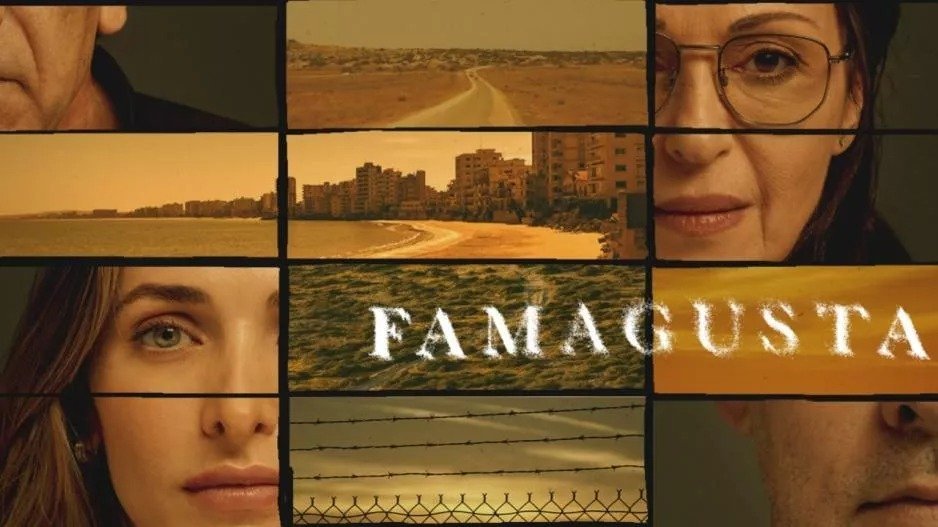
The inclusion of the Famagusta series on Netflix has caused significant discomfort for the Turkish side.
This production sheds light on historical truths through the narratives of actors, exposing the brutality of the Turkish invasion and refuting the narrative of a peacekeeping operation in Cyprus in 1974.
By utilising a digital platform, these small stories, which form part of a broader truth about the events of 1974, can reach a global audience, something Turkey does not want. Even after fifty years, this prospect seems to disturb the Turkish government as it reveals a series of atrocities, shattering the myth of a peacekeeping mission.
While the series may contain historical inaccuracies, it successfully presents various aspects of the Turkish invasion and its indelible impact on modern Cypriot history and society.
It portrays the drama of the missing persons, the pain of displacement and uprooting, and the psychological scars inflicted on those who endured captivity by the Turkish army. The series highlights the crime of rape and the plight of women who fell victim to Turkish soldiers.
These women, who became pregnant, were forced to have abortions, give birth and put their children up for adoption, or leave their homeland to raise their children away from the bitter judgements of society.
In the series, history often intertwines with fiction, but this does not alter the truth of the events. All these elements are part of the Cyprus dossier. The archives of the Republic of Cyprus contain records of these cases, documenting the crimes committed by the Turkish army. Testimonies of the victims and other evidence reveal what truly happened during the Turkish army’s presence in Cyprus.
The question arises: why hasn’t the Republic of Cyprus utilised this material to expose the crimes committed against it by the Turkish army? Why has the state failed to address the plight of these individuals over the years, not for propaganda purposes, but to demonstrate its support for them?
Unfortunately, the truth of history has been concealed behind the inadequacy of our state to speak honestly and dare to confront it. As often mentioned in the series by narrators of various events, the state has forgotten these people over time. Relatives of the missing, prisoners of war who endured torture in Turkish jails, and the women who were raped, all feel they have carried their cross alone. They walk an endless path of suffering, burdened by the wounds inflicted by their violators and the cruelty of our society.
The truths of history are relentless, exposing not only Turkey’s crimes but also the failures of the authorities of the Republic of Cyprus, who have left the victims of the invasion feeling neglected and ignored.
The state is also to blame for many other instances where it failed to speak out boldly about the truths of the Turkish invasion.
Its lack of courage allowed narratives of exoneration for Turkish crimes to take hold. It should have shown determination against those whose actions fuelled Turkish propaganda. It should have… But this does not imply that the extreme acts of paramilitary forces absolve the barbarity of the Turkish invasion and the organised crimes committed by the Turkish army.
The history of this land is painful, deeply so, as it is riddled with wounds that still bleed. The game played against this nation was rigged from the start, and sadly, its leaders failed to protect its people.
Read more:

