


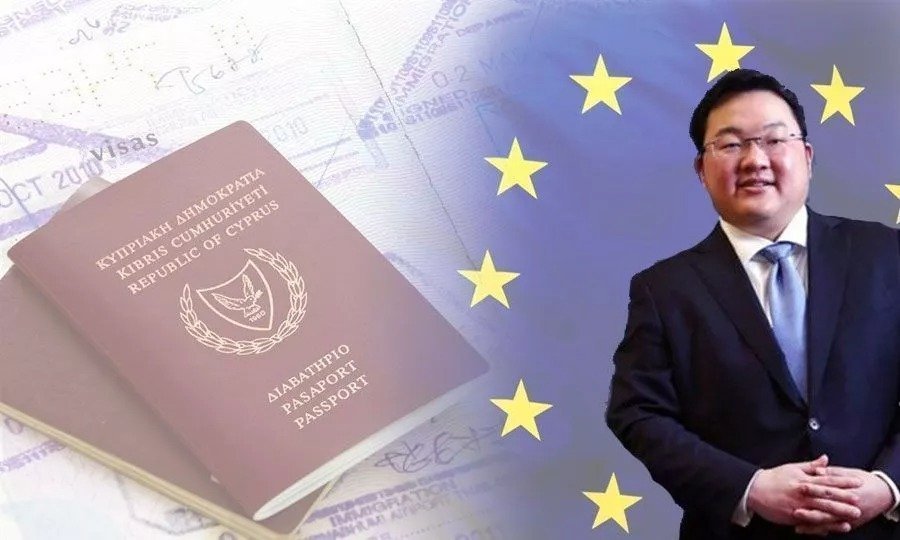
The government definitively revoked Malaysian businessman Jho Low‘s citizenship on Wednesday, concluding a months-long process.
Interior Minister Konstantinos Ioannou received authorisation to issue a decree stripping Low of his Cypriot status.
Low, wanted by Interpol for alleged embezzlement of $4.5 billion from Malaysia’s 1MDB investment fund, obtained Cypriot citizenship in September 2015 through the now-defunct Cyprus Investment Programme (CIP).
The government cited three reasons for the revocation: Low’s Interpol listing, the fact he secured citizenship less than a decade ago, and the seriousness of the charges against him, mirroring offences punishable by over five years imprisonment in Cyprus.
Previous attempts under President Anastasiades to revoke Low’s citizenship stalled due to a perceived lack of evidence.
Timeline of Revocation Process:
- May 18, 2023: Cabinet initiates revocation based on the Interior Minister’s proposal.
- June 8, 2023: Low is notified of the decision and his right to appeal.
- May 17, 2024: The Independent Committee forwards its assessment of Low’s appeal, which challenged the charges’ political motivation and the Malaysian justice system’s independence. The Committee deemed these claims beyond its scope.
- May 20, 2024: The Cabinet receives a briefing on actions taken by the Interior Ministry, paving the way for the final decision on June 5, 2024.
Singapore and Malaysia seek Low’s arrest
Cypriot police confirmed Interpol red notices were issued at the request of Singapore and Malaysia.
Low faces charges of dishonestly receiving stolen property (up to five years’ imprisonment) and money laundering (up to ten years) in Singapore. Malaysian authorities accuse him of abuse of power (up to twenty years) and money laundering offences (up to five years).
Cypriot police confirmed the Singaporean and Malaysian charges mirror money laundering offences punishable by up to fourteen years in Cyprus.
Context
Low acquired Cypriot citizenship after buying a €5 million villa in Ayia Napa, which was reportedly built on land belonging to the Church of Cyprus. Upon uncovering his past, Cypriot authorities seized the villa for potential confiscation if his citizenship was obtained through deception.
An investigation by authorities in the case delved into the involvement of the late Archbishop Chrysostomos II, who received a €300,000 check from Low. Chrysostomos II had admitted to sending a letter of recommendation for Low to support his application to secure a passport.
The Archbishop returned the check when the scandal broke, and police found no evidence of corruption.
Read more:

