


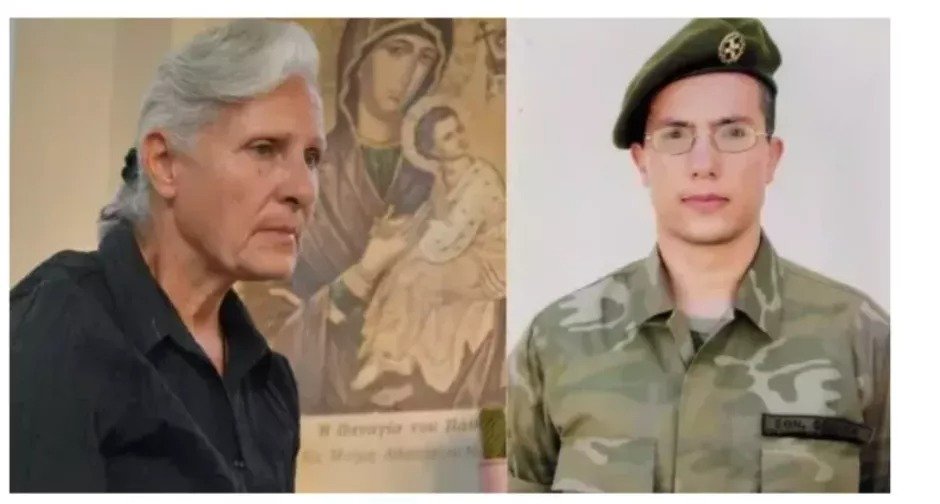
The family of Thanasis Nicolaou, whose death was ruled a murder, plans to launch private criminal prosecutions against seven individuals following the Limassol Court’s decision to return his remains to the family.
With the Attorney General yet to decide whether to pursue criminal charges based on the Pappa-Athanasiou report submitted to cabinet on March 12, family sources told philenews they intend to take legal action independently due to “a lack of trust in certain Law Office officials”.
The private prosecutions will target seven individuals named in the report, including a medical examiner, four police officers who served in various positions in the Limassol Police Directorate, and two military personnel connected to Nicolaou’s military service, according to sources.
Six defendants will face charges of neglect of official duty under Article 134 of the Criminal Code, while the medical examiner, Panicos Stavrianos, will face additional charges beyond alleged neglect of duty.
Private prosecutions filed without the Attorney General’s involvement will be heard in District Court, which can only impose prison sentences of up to five years, rather than in Criminal Court, which has unlimited sentencing powers.
The family’s lawyers had preferred that the Attorney General initiate the prosecution and then allow them to handle the case, which would have enabled a trial in Criminal Court.
However, the report has been with the Attorney General for six weeks, with officials only stating that a team of lawyers is studying it.
In a related development, following the Supreme Court’s ruling that Nicolaou’s death resulted from criminal action, the family’s lawyers plan to amend a civil lawsuit pending since 2015.
The European Court of Human Rights previously ruled that Cyprus had inadequately investigated the death and awarded damages to the family.
Meanwhile, medical examiner Panicos Stavrianos is expected to file a request with the Limassol District Court to reopen the inquest into Nicolaou’s death.
He may also request a certiorari order to nullify the court’s decision to hear new evidence, after the Supreme Court rejected his previous request for a new inquest and dismissed his subsequent appeal.
Thanasis’s body was found under a bridge in Alassa in 2005 and his death was deemed by the army and police as a suicide. But after his remains were exhumed in 2020 over suspicions of foul play, further autopsies showed he had been beaten and strangled.
Read more:

