


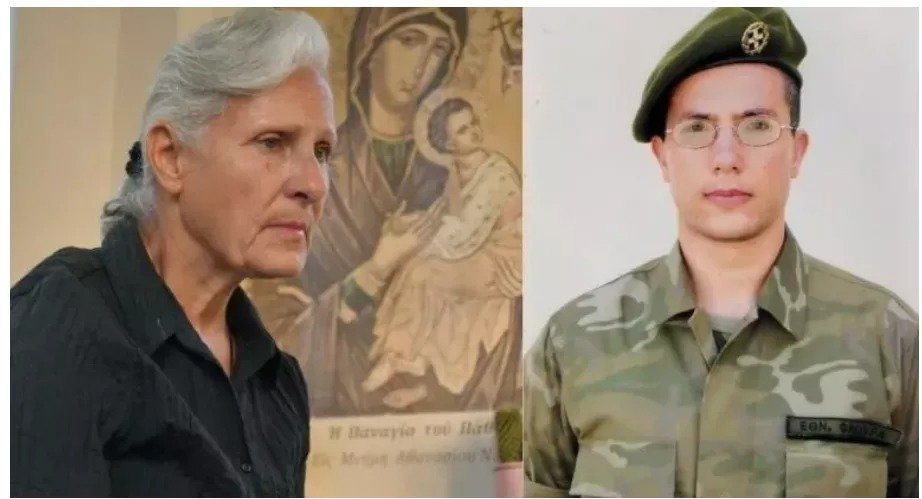
A forensic report on the death of National Guardsman Thanasis Nicolaou has concluded that he may have been murdered to prevent him from exposing illicit activities within his military unit, according to findings submitted to the Cabinet last Wednesday.
The 140-page report, compiled by criminal investigators Pappas and Athanasiou, highlights harsh conditions Nicolaou faced during his service and corroborates previous findings by investigators Matsas and Alexopoulos, suggesting he was deliberately silenced.
According to testimonies cited in the report, drug use, including cannabis, was prevalent within the unit, occurring in both dormitories and administrative offices without oversight.
Military officials denied knowledge of any such activities. Additionally, testimonies confirm that soldiers regularly escaped through holes in the wire fence without consequences, while hazing rituals were also reported.
Investigators suggest Nicolaou was aware of these issues and feared speaking out, reinforcing the theory that he was prevented from doing so. Notably, he had requested a transfer the day before his death.
For the first time, the report recommends potential prosecution of two military personnel under Article 134 for deliberate neglect of duty.
However, proving intentional neglect is expected to be legally challenging, which may explain why no military personnel were previously held accountable.
Investigators further support the theory that Nicolaou was murdered by individuals linked to drugs and that his body was later moved to the location where it was discovered, staged to appear as a suicide.
The report also suggests he may have been tortured before his death, as his remains showed broken bones and damage to vital organs.
A new piece of evidence in the report concerns Nicolaou’s vehicle. A witness statement contradicts initial findings regarding when and where his car was last seen, potentially altering the timeline of events.
Despite the passage of time, investigators admit they lack direct evidence to implicate specific individuals. However, the report criticises forensic pathologist Panikos Stavrianos, accusing him of professional misconduct, including dereliction of duty, issuing a false certificate, destruction of evidence, providing false information to police, perjury, and interference in judicial proceedings.
The report condemns the initial police investigation as rushed, irresponsible, and inadequate.
The Attorney General is now expected to decide on further action.
Meanwhile, Nicolaou’s family remains determined to seek justice. His mother, Andriana Nicolaou, has stated that they may pursue private prosecutions due to a lack of confidence in the Law Office.
Their lawyer, Christos Clerides, has proposed that the Attorney General initiate prosecutions and appoint private lawyers agreed upon by the family, similar to the legal proceedings in the Rikkos Erotokritou case.
Read more:

