


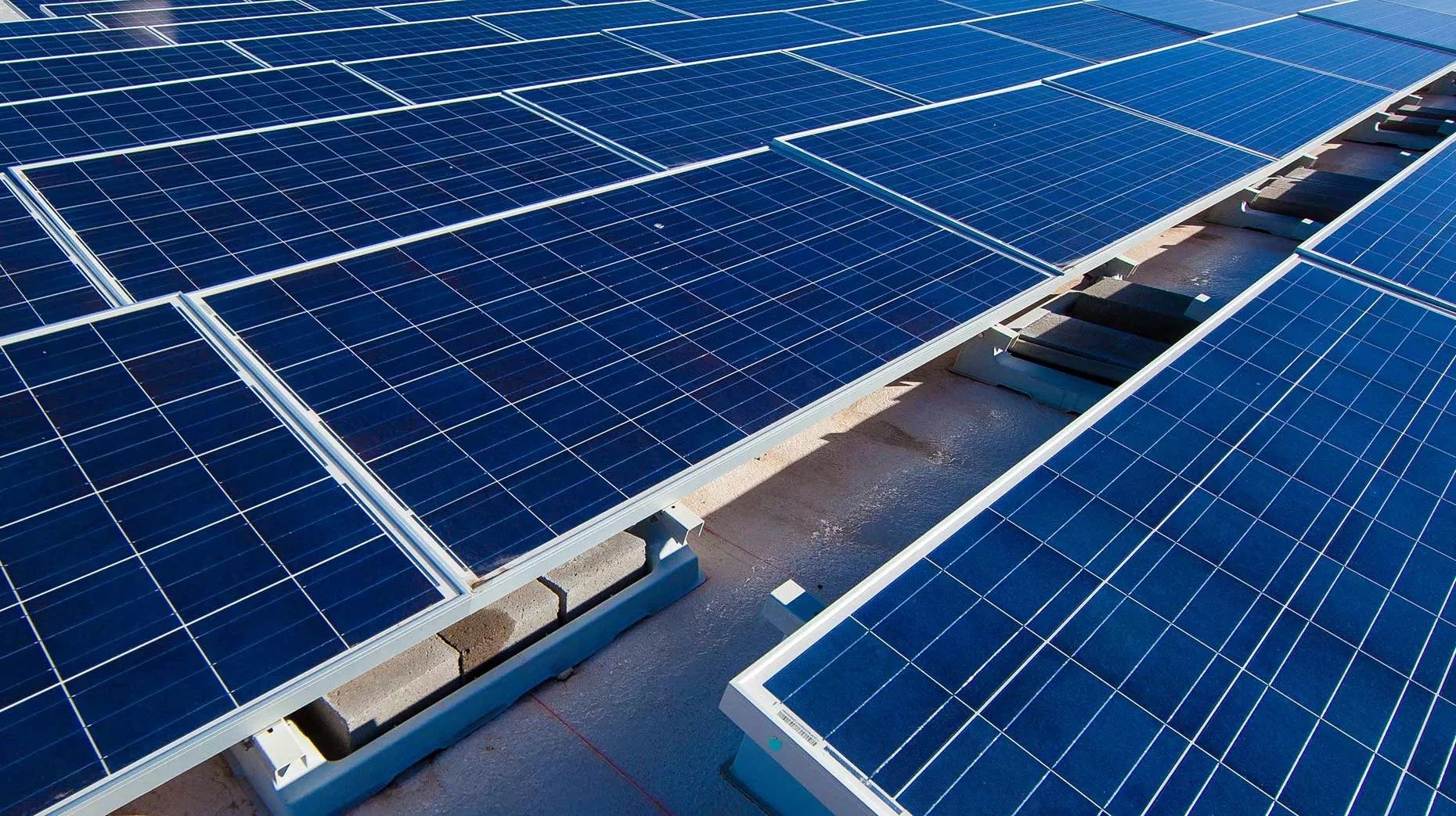
A major energy project proposed by Cyrus Solar Thermal Ltd on state-owned land in Cyprus has undergone significant redesign in recent weeks, shifting from a 180MW photovoltaic park with 40MW/80MWh storage units to an agrivoltaic park combining energy production with agricultural and livestock activities.
The change follows negative responses from competent authorities, primarily objections from the Agriculture Department regarding land use changes in the livestock zone the Mathiatis community exclusively for energy purposes.
According to official correspondence, the Agriculture Department explicitly recommended rejection of the original photovoltaic park design and alternatively proposed installing an agrivoltaic park, provided specific requirements are met.
During a meeting of the Environmental Impact Assessment Committee (EIAC) on 25 February 2025, most competent authorities and EIAC members raised either strong reservations or serious objections to the proposed construction and operation of the 180MW photovoltaic park with 40MW/80MWh energy storage unit in the communities of Analiontas, Kataliontas, Lythrodontas and Mathiatis.
The project covers a total area of 3.37 million square metres and involves installing approximately 265,000 photovoltaic panels. However, its environmental and social impact has generated numerous reactions and objections reflected in the meeting minutes.
Five EIAC members – the Town Planning and Housing Department, Game and Fauna Service, Cyprus Scientific and Technical Chamber, Cyprus Federation of Environmental Organisations, and Terra Cypria – expressed negative positions and recommended project rejection.
Only the Labour Inspection Department supported the project, whilst the Department of Forests and Water Development Department requested supplementary information before making final positions.
Significant portions of the area fall within prohibited zones for photovoltaic park placement, according to the Agriculture Department, Antiquities Department, Geological Survey Department, and Mines and Quarries Service. Local authorities including the Mathiati Historical and Environmental Heritage Protection Group, Macheras Municipal Complex, and Nicosia Provincial Self-Government Organisation also submitted negative views.
The Environmental Authority decided to issue a negative opinion, but four months later, the relevant opinion has not yet been issued, raising concerns and causing reactions, particularly from local authorities, affected area users and environmental organisations.
Some competent authorities have changed positions. The Agriculture Department, which initially expressed objections, appears more positive regarding the Kataliontas area, judging the land to be of low fertility and rocky. However, for Lythrodontas and Mathiati areas, the Agriculture Department expressed negative views, emphasising these are fertile agricultural lands or state land within livestock zones.
The Game and Fauna Service objections are notably overlooked in the project redesign. According to their assessment, the proposed project is located entirely within a compact area of state-owned land containing thousands of trees, shrubs and bushes forming a mosaic of habitats. The project is expected to affect two nesting sites of a raptor species listed in Annex I of the Wild Birds Directive, as well as several other bird species using the area for nesting, resting and feeding.
Local authorities remain categorically opposed, submitting special studies commissioned on their behalf whilst requesting transparency regarding state land leasing procedures and evaluation of actual environmental impacts.
The revised design excludes forest areas, archaeological sites, geological risk zones, and areas important for water supply. The project would occupy approximately 617,000 square metres within Mathiatis community’s livestock zone, representing 12.5% of its total area, whilst preserving 53% of state land within the zone for future livestock use.
The Agriculture Department now views the company’s agrivoltaic conversion positively, subject to following established guidelines including ensuring dual land use, installing livestock units at three points within the zone, evaluating agricultural land productivity, ensuring animal welfare under photovoltaic panels, and obtaining Veterinary Services approval.
The department notes the maximum permitted plot size per agrivoltaic application is 25 decares, with restrictions on application numbers based on applicant status as farmers.

