


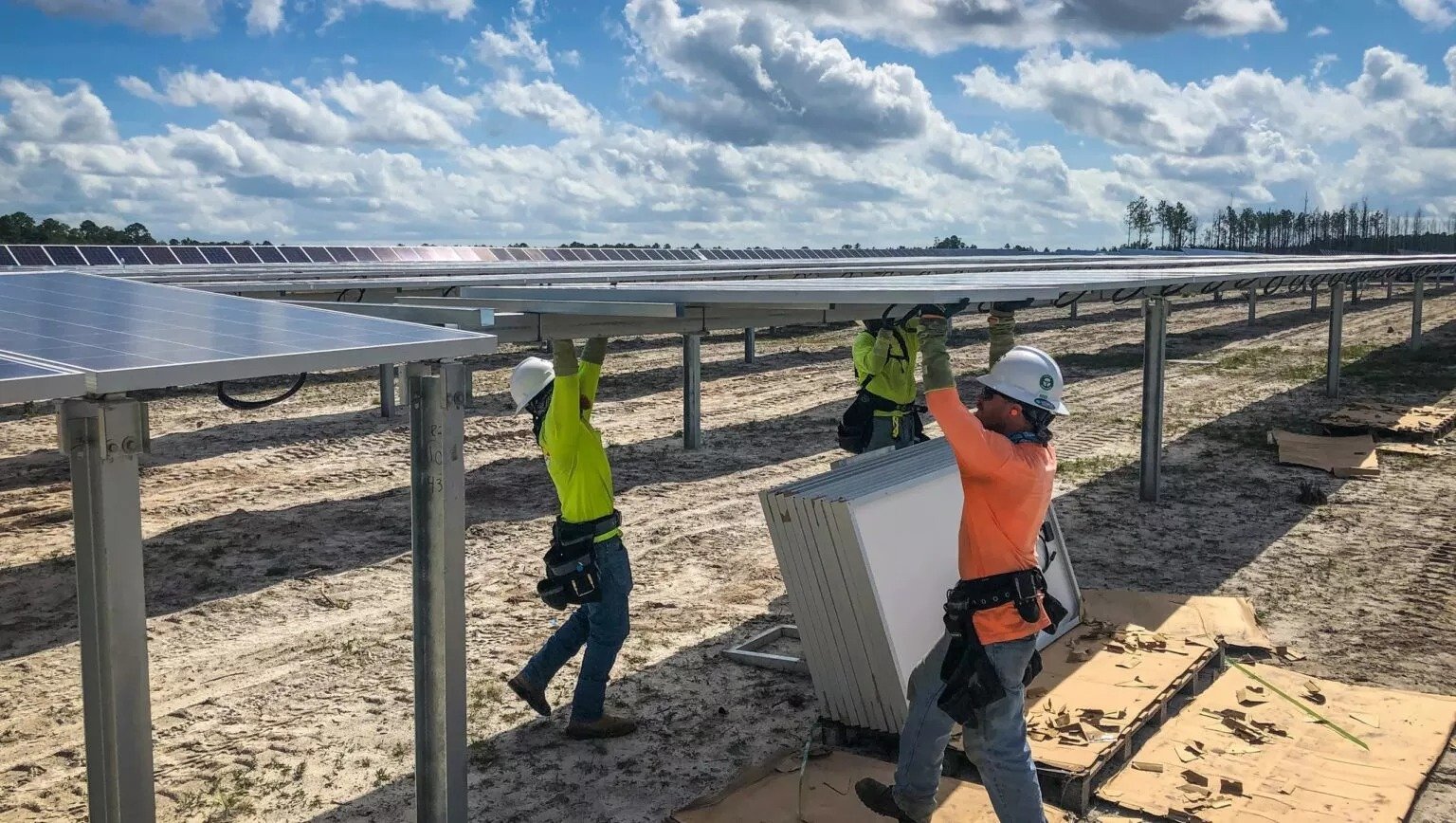
Cyrus Solar Thermal Ltd plans to build the largest solar park in Cyprus, with an installed capacity of 180 MW in the communities of Lythrodontas, Katalionta, and Mathiatis.
To meet the construction and operation needs of power generation units using photovoltaic systems, 1,400 pine trees over 25 years old will be removed, while a number of younger trees will also be affected, as recorded in the Environmental Impact Assessment Study (EIAS).
According to the project’s researchers, the clearing of a significant area of vegetation, the creation of high noise and dust levels, are the main environmental impacts during the construction phase.
The pines within the study area have been infested by the pine shoot beetle, also known as pine weevil, which is highly detrimental to coniferous trees. Contact with its larva can also cause allergic problems in humans. The pine weevil feeds on the needle-like leaves of pines, causing them to lose their leaves, both locally and throughout the entire tree. It can also cause drought in small trees.
The total area of the development plots is approximately 3,372.941 sq.m. The area of the plots to be occupied by the installations amounts to approximately 73% of the total area of the study plots.
The solar park will cover an area of approximately 2.5 million sq.m. The energy produced by the project is estimated at 300,000 MWh/year. For the project’s needs, 264,712 photovoltaic panels will be installed.
The project includes an energy storage system with batteries with a capacity of 80MWh, which will allow for continuous energy production throughout the year, meaning a potential production of 303 GWh per year.
According to the researchers, the operation of the solar park is expected to have positive impacts on the renewable energy sector, significantly contributing to the reduction of conventional fuel use and greenhouse gas emissions.
One of the proposed environmental measures related to bird flight is the construction of a (or more) bird bath so that it can be used by the area’s bird population and could be supplied with water from a nearby spring.
The final location of the reservoir could be determined in collaboration with the Game and Fauna Service and the Department of Water Development. Another important measure to reduce the impacts on the flora and fauna of the area is the planting of fruit trees and shrubs, both peripherally and within the plots.
Approximately 3.2 km southeast is the residential area of the Mathiatis community, approximately 4.4 km southwest is the residential area of Lythrodontas, and approximately 3.2 km northwest is the residential area of Analiontas.
It is noted that the project’s initial plans have been modified following the company’s decision to harmonise the layout to take into account the proposed Natura area of the Gialia River. The revised design also took into account terrain slopes and the watercourses that cross/adjoin the proposed project plots.
The project’s objective is to produce and market electricity and thus contribute to increasing the percentage of renewable energy use in Cyprus and, at the same time, reduce the percentage of conventional fuel use for electricity generation.

