


Local leaders and MEPs are pushing back against proposed reductions to environmental funding as negotiations on the bloc’s next seven-year budget enter a decisive phase.
Proposed cuts to climate and environmental funding in the European Union’s next long-term budget risk leaving cities and regions less equipped to tackle floods, wildfires and heatwaves, local leaders and lawmakers are expected to warn on Monday.
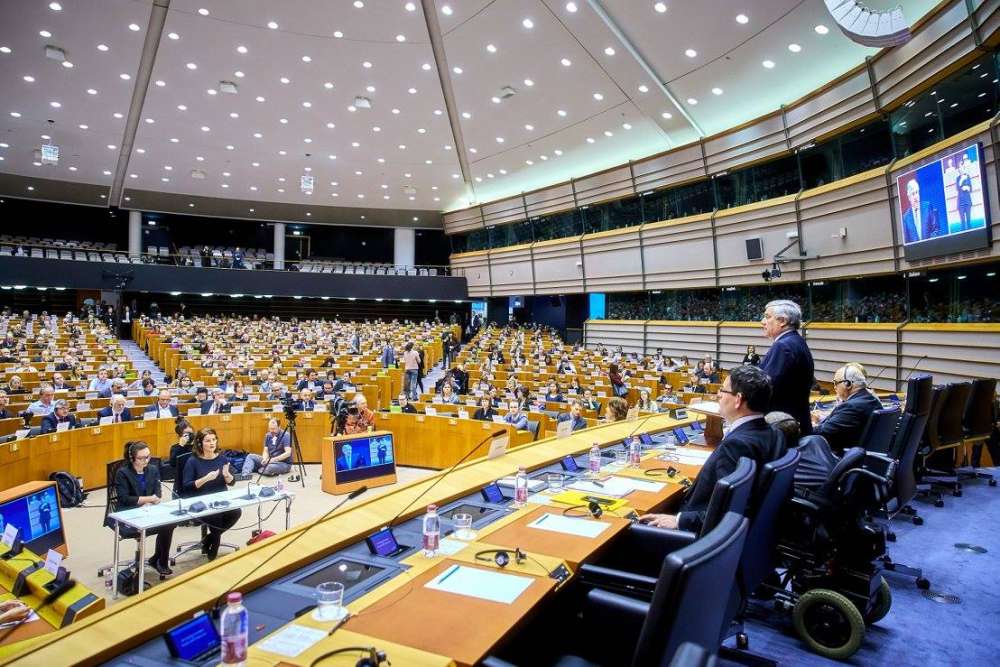
Members of the European Parliament’s Environment Committee (ENVI) and the European Committee of the Regions met yesterday to discuss the bloc’s 2028-2034 multiannual financial framework (MFF), with concerns mounting over reductions to funding, unclear spending priorities and the diminished role of local authorities.
The warning comes after the Irish Presidency of the Council of the EU presented a new negotiating framework in Strasbourg last week, setting the stage for discussions among EU leaders at a summit in Brussels on later this week. The document proposes cuts across several budget areas, including climate and environmental spending under the National and Regional Partnership Plans (NRPP) and the European Competitiveness Fund (ECF).
The European Commission’s original proposal sets a general minimum target of 35 percent for climate and environment-related spending, rising to as much as 43 percent under the NRPP and ECF. But critics argue that headline targets will offer little reassurance without clear safeguards, dedicated funding and a meaningful role for regional and local governments in deciding how money is spent.
A central concern is the proposed disappearance of LIFE, the EU’s stand-alone program for environmental and climate action. Its removal would leave local and regional authorities without a dedicated funding stream comparable to the one available under the current budget, according to the concerns outlined ahead of Monday’s meeting.
The stakes are rising as Europe faces increasingly severe climate impacts. This summer’s extreme weather again exposed communities to heatwaves, droughts, floods and wildfires, intensifying pressure on governments to invest in prevention and adaptation rather than pay for damage after disasters strike.
The European Committee of the Regions’ annual report on the state of regions and cities, published Monday, says every euro invested in climate adaptation can generate up to €10 in benefits.
Pierfrancesco Maran, chair of Parliament’s environment committee, said during the subsequent press briefing that the proposed cuts would make communities more vulnerable at a time when the EU needs to prepare for future risks.
“Resilience must be built into every programme the EU finances,” Maran said, arguing that the bloc should retain its minimum 35 percent climate and environmental spending target and provide more predictable funding for biodiversity.
Kostas Bakoyannis, chair of the Committee of the Regions’ environment commission and a member of Athens City Council, also warned that reductions to cohesion policy would weaken Europe’s ability to respond to the climate crisis at the local level.
He called for stronger funding guarantees for regions and cities, alongside a meaningful role for local authorities in shaping national and regional spending plans.
The dispute highlights a broader challenge for EU budget negotiations: how to balance competitiveness and other spending priorities against the growing cost of climate risks.
For local leaders, the concern is that a budget designed to strengthen Europe’s economy could leave the communities on the front line of climate change with fewer tools to protect residents.
(Sources: European Commission, European Parliament)
Read more:

