


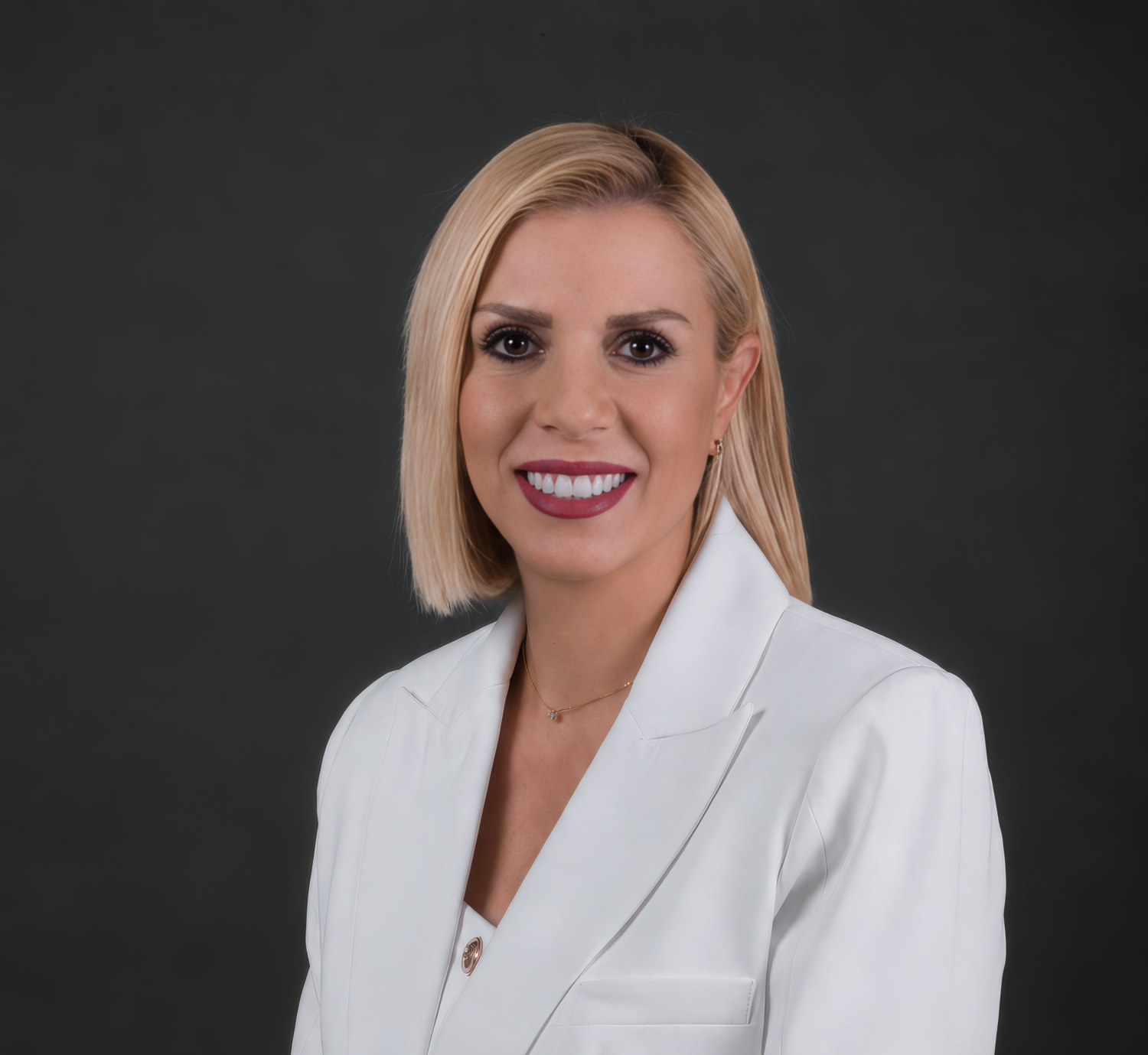
The energy transition, technological advances and consumers’ changing needs are creating a new and particularly demanding environment, says Marina Tziakouri, Head of Marketing at EKO. For marketing, this transition presents both a challenge and an opportunity. “Our role is to understand these changes, translate them into communication that means something to consumers and help the brand evolve without losing its identity or credibility.”
What does being a female leader in today’s business world mean to you? What qualities do you consider essential for a woman who wants to grow professionally, lead and make a meaningful impact in her field?
For me, leadership is first and foremost about responsibility: responsibility towards the people you work with, the organisation you represent and the decisions you are called upon to make. I do not believe there is a single, distinctively “female” approach to leadership. However, I firmly believe that every woman should have the opportunity to advance professionally without feeling that she must choose between her ambitions and other aspects of her life.
Throughout my own career, I have come to value consistency, adaptability, empathy and determination. Self-confidence is equally important, not in the sense of always having the answers, but in being willing to learn, listen and take responsibility for your choices. Meaningful influence does not come from a job title alone. It is built every day through trust, credibility, results and the relationships we develop with people.
What have been the most significant milestones in your professional journey, and which experiences have shaped you as a professional and as the head of a demanding field such as Marketing and Corporate Social Responsibility? Were there any defining moments or decisions that influenced your career development?
My professional journey spans more than 20 years, during which I have had the opportunity to experience different aspects of the organisation’s operations, from customer service and sales to public relations, Corporate Social Responsibility and, of course, Marketing.
My career at EKO has played a defining role in shaping my professional identity. Within an organisation that places great emphasis on consistency, responsibility and long-standing relationships of trust with consumers, I have had the opportunity to develop professionally, take on new challenges and translate my personal values into everyday professional practice.
At the same time, I have consciously invested in education and personal development, completing studies in Marketing and an MBA. More recently, I completed a Diploma in Digital Marketing, as well as the Professional PR Diploma offered by the Chartered Institute of Public Relations in the UK.
Motherhood has been equally important in shaping who I am. Building a career while raising a child teaches you valuable lessons about responsibility, resilience, priorities and time management.
EKO is a highly recognisable brand in the Cypriot market. How does your personal philosophy of leadership and Marketing translate into EKO’s strategy and the way the brand communicates, evolves and connects with consumers?
The strength of a brand like EKO lies in the trust it has built with consumers over time. My philosophy is based on a simple principle: a strong brand must remain true to its values while continuously evolving alongside society and people’s changing needs.
Our objective is to ensure that our communication is modern, meaningful and people-centred. A characteristic example of this philosophy is the EKO Smile app, through which we aim to strengthen our relationship with consumers by offering them added value and a more comprehensive experience.
Marketing is undergoing a profound transformation, as technology, digital media, artificial intelligence and changing consumer habits reshape the way brands communicate with their audiences. How is EKO responding to these developments?
Technology has transformed both the tools available to marketers and consumer expectations. Today, we have access to more data, more communication channels and greater opportunities for personalisation and direct engagement. At the same time, however, we also carry greater responsibility.
At EKO, we systematically monitor emerging trends and make use of the opportunities offered by digital media, always with the improvement of the consumer experience and communication at the heart of our approach. Artificial intelligence also presents significant opportunities. However, I believe that technology should serve as a tool that enhances human judgement and creativity rather than replacing them.
How important are sustainability, social responsibility and building relationships of trust with society and consumers for EKO?
They are extremely important because a company’s relationship with society cannot be limited to its commercial activities. Today, people expect businesses to operate responsibly, demonstrate consistency and make a meaningful contribution to the wider community.
For EKO, social responsibility is part of a broader relationship of trust with Cypriot society. Through our expanded Corporate Social Responsibility programme, we develop initiatives focusing on the younger generation, sports, improving the living conditions of vulnerable groups, road safety, health and the environment. Through these actions, we aim to respond to genuine social needs and create a positive and meaningful impact. After all, trust is not built through a single campaign or an isolated initiative. It is earned through long-term commitment, consistency and action.
In an industry undergoing significant transformation, what do you consider to be the greatest challenges and opportunities for EKO? What role does Marketing play in shaping the company’s future?
The energy transition, technological developments and evolving consumer needs are creating a new and increasingly demanding environment. For Marketing, this transition represents both a challenge and an opportunity. Our role is to understand these changes, translate them into communication that is meaningful to consumers and help ensure that the brand continues to evolve without losing its identity or credibility. I believe that the brands that will lead in the future will be those capable of combining innovation, adaptability, responsibility and a genuine understanding of the needs of consumers and society.
As a woman working in a dynamic and demanding business environment, what personal legacy would you like to leave behind? What message would you share with younger women who aspire to advance professionally, pursue leadership roles and become the “Power Women in Business” of tomorrow?
I would like my personal legacy to be associated not only with creating value, but also with the way that value is created: through professionalism, collaboration, respect and integrity. These are values that guide me personally and find meaningful expression throughout my professional journey at EKO.
My message to younger women would be to continuously invest in their knowledge and skills, not to be afraid of taking responsibility and to actively pursue the opportunities they deserve. They should not view failure or a difficult period as the final outcome, but rather as part of a much longer journey. Above all, they should never believe that there is only one right way to succeed.
My own career was not built in a single moment. It developed gradually, through different roles, continuous learning, family and professional responsibilities, challenges and opportunities. Perhaps this is the most important message I would like to share: keep evolving without losing your authenticity, and have the courage to continue setting your next goal.

