


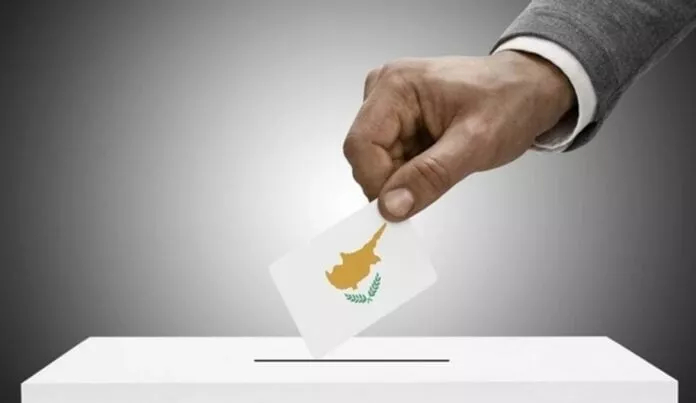
The parliamentary elections are over. The television panels have fallen silent, along with the endlessly talkative candidates who, for weeks, tested both the patience and the gullibility of a battered electorate. From today, the meter starts running on the political mileage of every MP.
Throughout the election campaign, parties gambled on society’s all-pervading sense of uncertainty and insecurity, focusing on everything that wounds people’s daily lives: the cost of living, housing, social policy, the fight against corruption — jobs for everyone, money for everyone, opportunities for everyone.
But political parties have two audiences. The first is the public: all of us who became the “target group” of political advertising and campaign rallies. We were the intended recipients of the slogans and social media clips, the television panels filled with tear-stained speeches about citizens “who can take no more” and who would finally have “someone to stand by them”.
There is, however, a second audience. Silently present in every election contest. These are the system’s permanent backers, the big interests that operate as interventionist service mechanisms and do not always place the country’s “well-intentioned interest” — or ours — at the top of their list.
They are the organised networks of power, the familiar little kingdoms usually presented as “pillars of the economy”, which have been shaping decisions and legislation for decades. They are not interested in slogans. They need assurances.
And one of the greatest tests for the new MPs will be whether they can resist this entrenched clientelist relationship, which will act as a brake on many of their campaign promises. Nor is this an ideological matter. The silent audience that props up the system in which the parties thrive has access to the right, the left and the centre alike.
All candidates stoutly defended the “right to affordable housing”. But what happens when that right collides with profiteering in the property market? When “decent wages” run up against the demands of the big employer for more cheap workers from third countries, driving wages down for everyone? When reforms come face to face with the guard dogs protecting the state payroll and the lavish perks of public officials?
We heard endless pledges about “people-centred cities” and “green growth”. But what matters is seeing which of them will say “no” to the next big investor who comes knocking with planning demands and a development plan that leaves behind more concrete and even greater social inequality.
And if MPs must remember their promises, citizens must remember who defended them, who abandoned them, and who ultimately served other priorities behind closed doors. Because the hard part for a politician is not spotting the citizen’s problems. It is taking on the person who profits from keeping them alive.

