


There is a comfortable fiction surrounding violence against women: that it is the work of isolated monsters, disturbed men whose acts shock society but do not implicate it.
The recent CNN investigation into online forums where men exchange instructions on how to drug and rape women is the latest in a long line of cases that shatter that illusion.
The months-long investigation uncovered websites with dedicated forums and user communities where men shared information and step-by-step guidance on how to sedate and rape women — often their own wives and partners — without being detected.
CNN described the phenomenon as an “online rape academy”: a space where sexual violence was organised and transmitted like knowledge, passed from user to user, complete with real videos of their “successes.”
According to the investigation, the platforms hosted advice on substances and precise dosages, methods for avoiding detection, and guidance on how to check women’s eyes to confirm they were unconscious before raping them.
This is not a collection of isolated cases. It is an entire system — a boy’s club with a shared purpose and a reach that should stop everyone cold. In February alone, these platforms recorded 62 million visits.
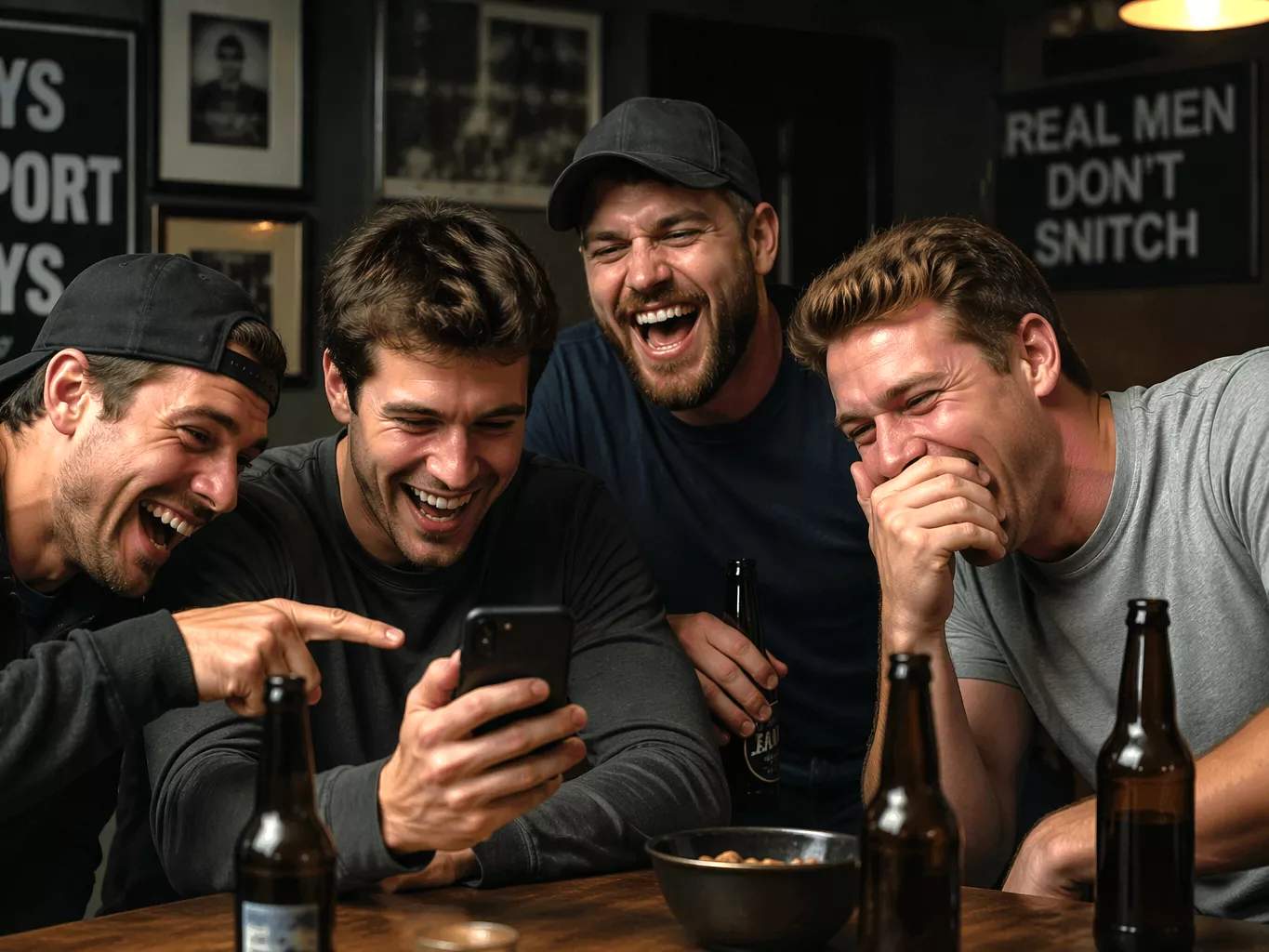
Male solidarity that protects, conceals, and normalises violence has always been the most powerful shield available to perpetrators.
From the sexist joke that gets a conspiratorial laugh around the lads, to the forum explaining how to sedate and rape her, the group dynamic follows a pattern that should keep all of us — women and men alike — awake at night.
The element of “community” is one of the threads that runs through abuse story after abuse story.
From the case of Gisèle Pelicot — drugged for years by her husband so that dozens of men he recruited through an online community could rape her — to the Jeffrey Epstein network, built to service his wealthy friends. In both cases, the perpetrators transformed violence into a collective entertainment. A shared pastime. Something they did together.
And yet while society continues to educate women to be careful, it systematically avoids confronting the responsibility of men to challenge the culture that quietly teaches them they are entitled to test women’s boundaries, mock them, and violate them.
What women typically receive, every time they speak about the reality they live with daily, is the wounded, defensive response: “not all men are like that.”
The issue was never whether all men are to blame. The issue is that this violence flows from a culture that continues to breed and protect abusive boy’s clubs across the world.
The answer, then, does not lie in how much more carefully women can learn to watch their backs. It lies in when society will stop shutting down every conversation on the subject with “not all men” — anxious, as ever, not to bruise the sensibilities of the “good” men — and start reckoning with the fact that all women, “good” or “bad,” live every single day as potential victims.

