


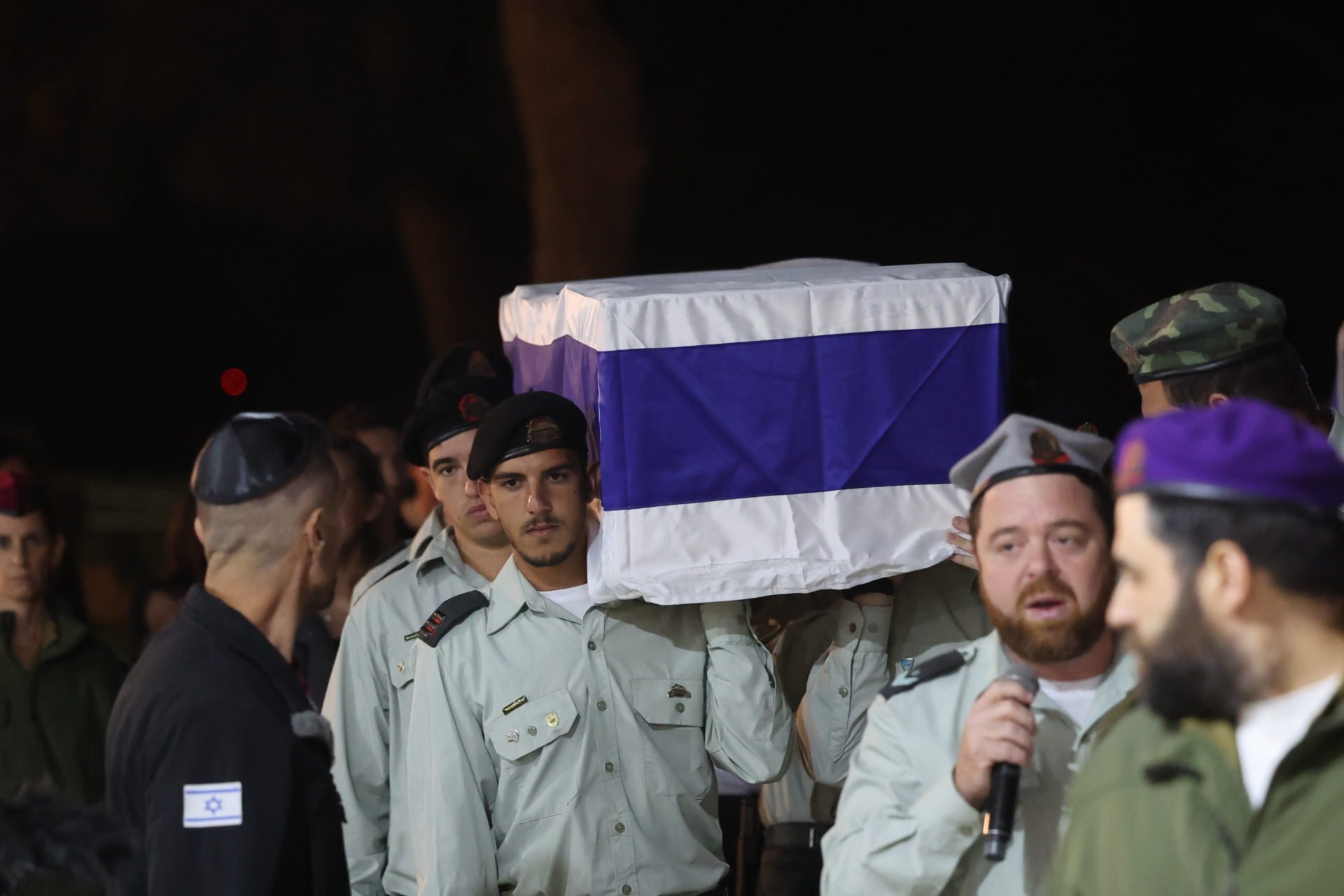
Hamas has handed over the remains of two additional deceased Israeli hostages, stating it had returned all bodies it could access and would require specialised equipment to retrieve the rest from the ruins of Gaza. This declaration comes amid threats from Israel to resume fighting if the terms of the US-brokered ceasefire are not fully honoured.
The Ezzedine Al-Qassam Brigades, the armed wing of Hamas, said in a social media statement that the group had “fulfilled its commitment to the agreement by handing over all living Israeli prisoners in its custody, as well as the corpses it could access.” It added that retrieving the remaining bodies “requires extensive efforts and special equipment for their retrieval and extraction.”
Israel warns of renewed war
The handover late on Wednesday brought the total number of deceased hostages returned by Hamas to nine—seven of the 28 known deceased hostages, plus an eighth body that Israel said was not that of a former captive. The deal, brokered by US President Donald Trump, has already seen Hamas release 20 surviving Israeli hostages in exchange for nearly 2,000 Palestinian prisoners.
Israel’s Defence Minister, Israel Katz, threatened on Wednesday to resume military action. “If Hamas refuses to comply with the agreement, Israel, in coordination with the United States, will resume fighting and act to achieve a total defeat of Hamas, to change the reality in Gaza and achieve all the objectives of the war,” a statement from his office said.
US President Trump, seeking to maintain pressure on Hamas, said he would consider allowing Israeli forces to resume fighting if the militant group fails to uphold its end of the deal. “Israel will return to those streets as soon as I say the word,” Trump told CNN. “If Israel could go in and knock the crap of them, they’d do that.”
US advisers cite ‘pulverised’ Gaza
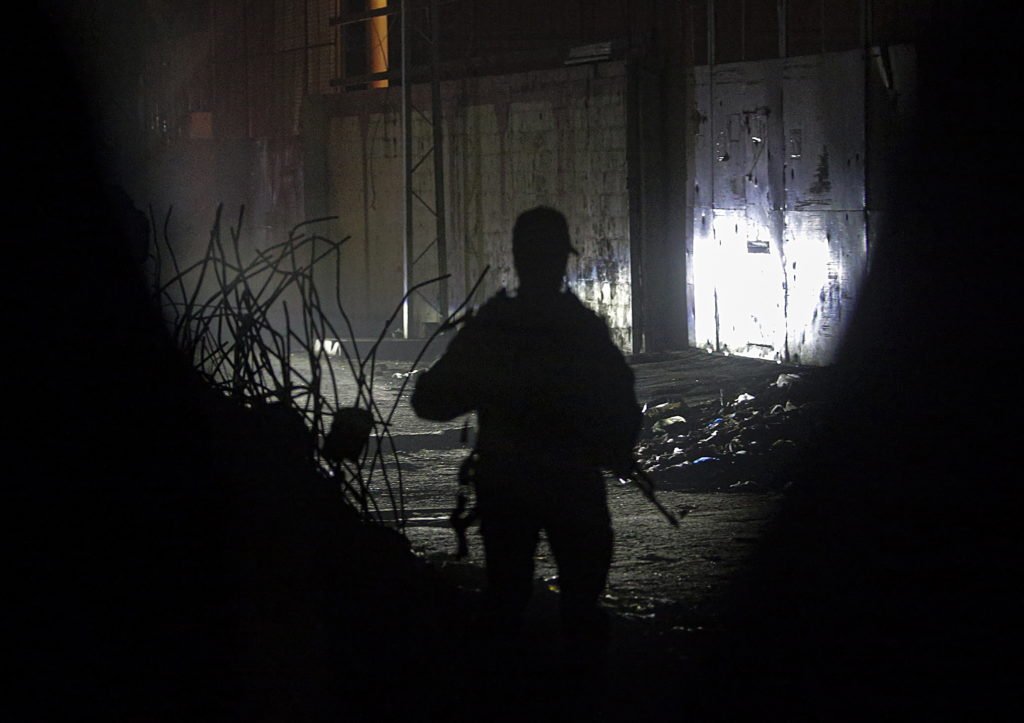
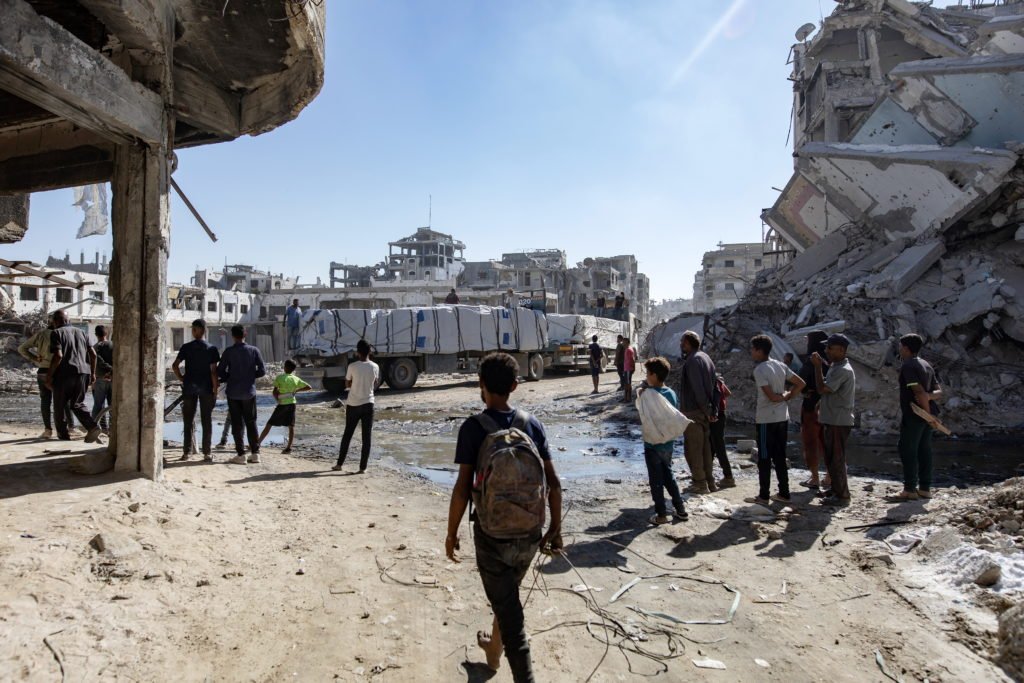
Senior US advisers, however, briefed the media late on Wednesday that Hamas was aiming to stick to its pledge to return the dead. The advisers said retrieving the bodies was difficult because the territory had been “pulverised.”
“We continue to hear from them that they intend to honour the deal,” one adviser said, adding that mediators were exploring a programme of rewards for people helping locate the bodies. Turkey, a key mediator, was also in talks to provide experts on body retrieval to send to Gaza, the adviser added.
Aid and return of Palestinian bodies
The dispute over the bodies continued to affect aid flows, with Israel warning it could keep the main Rafah crossing shut and reduce supplies if the returns were too slow. Aid trucks did, however, roll into Gaza on Wednesday, and preparations to open the Rafah crossing on Thursday resumed.
Meanwhile, Itamar Ben-Gvir, Israel’s far-right National Security Minister and an opponent of the ceasefire, described the aid delivery as a “disgrace” on social media platform X, accusing Hamas of lying about the returns.
UN humanitarian chief Tom Fletcher called on Israel to facilitate a “massive surge of humanitarian aid.” “Withholding aid from civilians is not a bargaining chip. Facilitation of aid is a legal obligation,” he said.
The agreement also requires Israel to return the bodies of 360 Palestinians. Doctors’ accounts indicate that many of the 90 bodies returned by Israeli authorities so far showed signs of torture and execution, including blindfolds, cuffed hands, and bullet wounds in the head.
Future of the truce
The body dispute, along with the issue of Hamas’s disarmament, continues to pose a risk to the ceasefire deal. Israel has demanded that the next phase of the truce calls for Hamas to disarm and cede power, a demand the militant group has refused, instead reasserting its authority with a security crackdown, including public executions and clashes with local clans.
Gaza’s civil defence agency reported that Israeli fire killed three Palestinians, including two trying to reach their homes in Gaza City’s Shujaiya neighbourhood. The Israeli military said “several suspects were identified crossing the yellow line and approaching” troops in northern Gaza, referring to the agreed-upon line Israeli forces have pulled back to under the ceasefire. The “yellow line” refers to the initial withdrawal boundary agreed upon in the deal, under which Israeli forces pulled back from parts of central Gaza City and other areas, still controlling an estimated 53-58% of the territory. The military has stated that fire is authorised along this line only to deter immediate threats.
Read more:

