


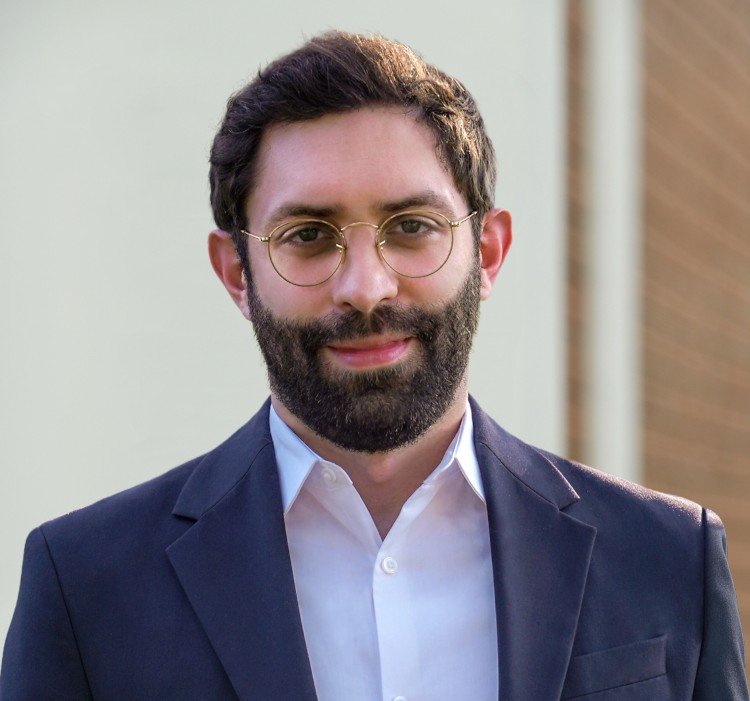
Turkish Cypriot activist Oz Karahan says the upcoming October elections in the occupied north will not produce a legitimate Turkish Cypriot leader but rather a “leader of the settlers,” citing demographic changes in the territory occupied by Turkey since 1974.
Karahan, president of the Union of Cypriots who lives in government-controlled areas of Cyprus, argues that Turkish Cypriot politicians Ersin Tatar and Tufan Erhürman represent no meaningful difference in approach to the Cyprus issue.
“Turkey has played this game many times before. To maintain the occupation and colonization, it follows a simple strategy,” Karahan told Phileleftheros in an interview.
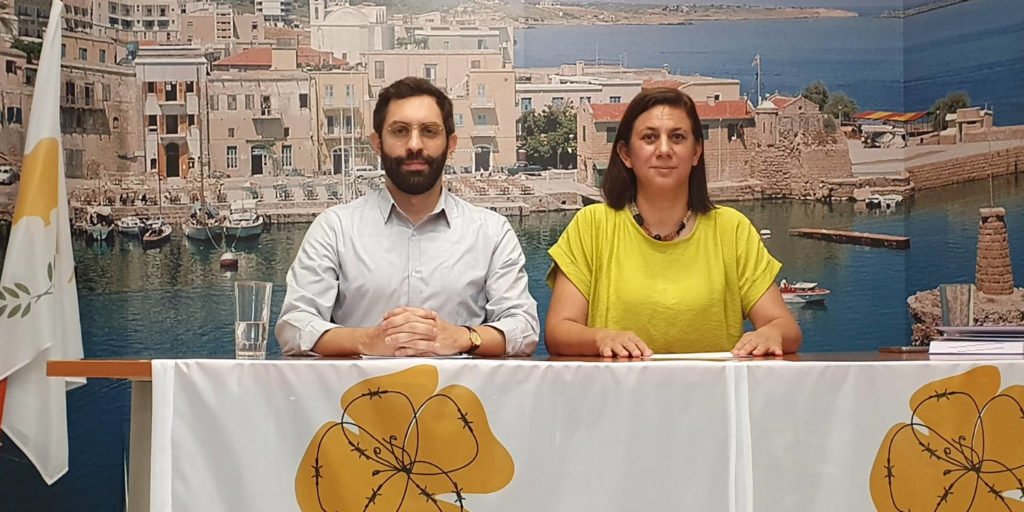
According to data presented at a recent press conference of the Union of Cypriots, the population in the occupied areas exceeds 1 million. Of these, around 400,000 are citizens of the unrecognised pseudo state in the occupied north, while the number of so-called voters is approximately 220,000—only about 100,000 of whom are Turkish Cypriots, with the rest being settlers.
Karahan contends the demographic transformation affects not only Turkish Cypriots but threatens the Republic of Cyprus itself, describing it as a matter of “sovereignty, justice, and survival” rather than solely a community issue.
You recently called on the Republic of Cyprus not to recognize the new leadership of the Turkish Cypriots, and you presented some data regarding the population in the occupied areas. What is the current situation in the north, and how trapped is the Turkish Cypriot community today?
When people hear the word occupation, the first thing that comes to mind is soldiers and military presence. That is why some mistakenly believe an occupation can end only through “dialogue” with the occupiers. This is also the illusion promoted by the political elite in the free areas, who built their careers on the Cyprus issue. But Cyprus is not such a case. As in many parts of the world, after a military invasion the main strategy of the occupiers is colonization, specifically settler colonialism. The occupied area of Cyprus is where this reality continues in the most brutal way.
As we stated in the press conference of the Pancyprian Freedom Movement, the numbers shared by different institutions show that the population in the occupied area now exceeds one million. The occupation regime has been granting “pseudo-state citizenships” to illegal Turkish settlers since the invasion, and their number now exceeds 400,000. Why does this matter? Because the so-called voters in the occupation regime number around 220,000, while the Republic of Cyprus’s own records show only about 100,000 Turkish Cypriots above 18 years of age. This figure even includes those who have left the island because of cultural, social, and political oppression.
The occupation and settler colonialism target not only Turkish Cypriots but the very existence of the Republic of Cyprus itself. It is not simply a community issue but a national question of sovereignty, justice, and survival.
What can the Republic of Cyprus actually do in practical terms, and what does it mean not to recognize the Turkish Cypriot leadership? Does it mean refusing to engage in dialogue with the Turkish Cypriot leader?
No, it does not mean refusing to recognize the position of “Turkish Cypriot leadership.” On the contrary, the facts show that so-called elections in the occupied areas cannot produce a Turkish Cypriot leader, only the leader of the settlers. These so-called elections are not even conducted under the name of “Turkish Cypriot community leadership” but under the title of “President of the Turkish Republic of Northern Cyprus.”
Our position is simple and consistent. The so-called “elections,” held for a pseudo-state position and voted on by illegal settlers, should not be recognized. Turkish Cypriots are citizens of the Republic of Cyprus, and the position of “community leader” derives its legitimacy from the Republic itself. Therefore, only Turkish Cypriot citizens of the Republic of Cyprus should vote in such elections. These elections should be organized either in the free areas, as in the European Parliament elections where Turkish Cypriots also participate, or under the supervision of the United Nations.
It is paradoxical for our government to declare “we do not recognize the pseudo-state and the settlers,” and then recognize the so-called president of that pseudo-state as the “Turkish Cypriot community leader” who goes to sit at the United Nations table. Cyprus must use diplomacy and international law to challenge this. We should demand a census under international observation and make full use of international courts, such as International Court of Justice. A case was even opened in the International Criminal Court in 2014 by MEP Costas Mavrides, but our governments never supported it. Failing to act against colonization is, in my view, an act of treason.
Why do Turkish Cypriots accept this situation? How many share your point of view? What is the political climate like in the occupied areas today?
Turkish Cypriots do not accept this situation. They have made their position clear many times over the decades. But it is unrealistic to expect them to raise their voices freely, because Turkey has also made its position clear. Since 1974, there have been political assassinations in the occupied areas, targeting voices who opposed settlers and the illegitimacy of the so-called elections.
The first was Raif Denktaş, son of Rauf Denktaş, assassinated in December 1985 after openly opposing the participation of settlers in that year’s so-called elections. In his famous speech of February 1985 he warned that new “citizens” were being created for electoral purposes and vowed resistance. A few months later, a Turkish military truck struck his car on his daily route to work.
The second was journalist Kutlu Adalı, murdered in 1996 by a gunman. Even his final column was against the presence of settlers.
In this political climate, and with the Greek Cypriot political elite inactive toward the occupation and silent about settler colonialism, Turkish Cypriots are afraid to speak openly. Yet beneath the silence, everyone feels the same reality.
Erhürman or Tatar? Is there a real difference between them? Would a change in leadership make any difference regarding the Cyprus problem?
There is no difference between Erhürman and Tatar, and there cannot be. Turkey has played this game many times before. To maintain the occupation and colonization, it follows a simple strategy. It created and supported Rauf Denktaş, and later humiliated him and backed Talat in the 2000s.
With the current reality of settler colonization and ongoing oppression, there is almost no Turkish Cypriot who can speak outside Turkey’s position on the Cyprus issue. Erdoğan himself made the situation clear only a few days ago when he stated: “Even if the current administration changes, Turkey’s stance will remain unchanged.” This was both a statement of reality and a message to settlers not to hesitate in supporting Erhürman. And many of them do.
Do you believe there can be any progress on the Cyprus issue? What is your assessment?
We have referred to the “Cyprus issue” many times, but first we must define what it really is before discussing solutions. The “Cyprus issue” is not an intercommunal conflict or division, as Turkey and some others try to portray. Cyprus is occupied and colonized. The solution is a national liberation strategy. Achieving this depends on the will of Cypriots who live in the free areas and on the decisions we take. If we begin to act consistently, everything can change in a positive direction, and it can change quickly.
How do you see the future of Cyprus? Are you optimistic that there will be a solution to the Cyprus problem at some point?
There are tools available to small and medium-sized countries that lack vast military power or robust economies. These tools are proactive state diplomacy, people’s diplomacy, and international law.
Unfortunately, the political elite and the current government of the Republic of Cyprus continue to underestimate international law, which could be used to challenge war crimes and crimes against humanity. They refuse to take meaningful action against the occupier. President Christodoulides has even invented childish terms like “anarchic international system” to excuse inaction. Yet the reality is that we now live in a multipolar world order, where supranational alliances are losing weight while sovereign states regain significance. This can be a positive development for any country that knows how to practise diplomacy beyond the old blocs and build bilateral relations with both states and peoples. Even small and medium-sized states are already doing it.
International law therefore gives us a vital task: to build pressure against the so-called regime in the occupied areas and expose the crimes that continue on our island.
I am optimistic because I believe that with the efforts and pressure of patriotic citizens, things can change. Through such efforts we can help shape a national liberation strategy against the occupation and colonization.

