


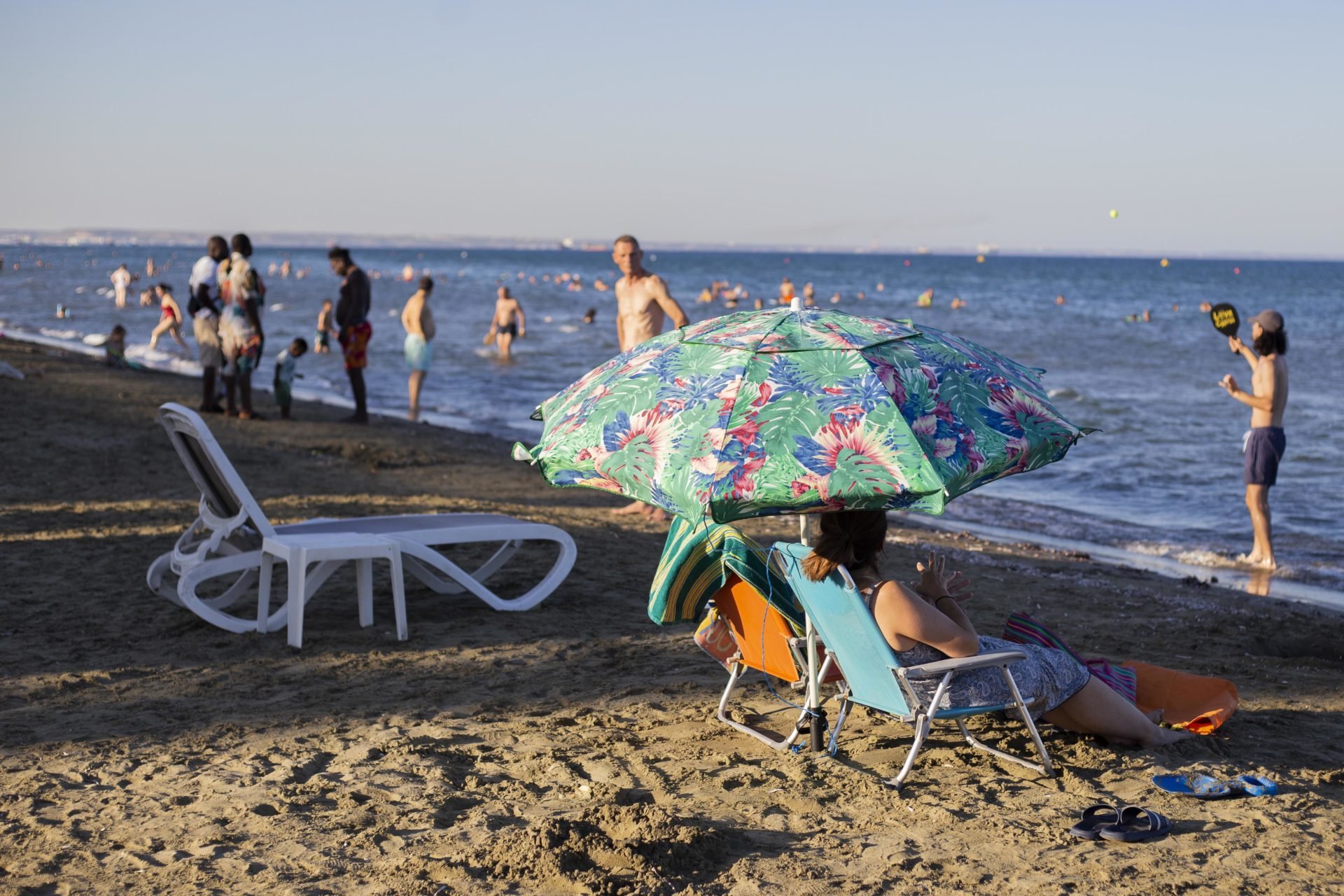
Cyprus is bracing for a heatwave, with temperatures forecast to exceed 42 degrees Celsius until Friday, prompting warnings from government agencies regarding public health and safety.
The Department of Meteorology has predicted a gradual rise in temperatures today, tomorrow, and Thursday, with Friday expected to remain “particularly warm”.
The extreme weather conditions have prompted a response from government bodies, including hospitals, the Civil Defence, the Department of Labour, the Fire Service, and the Department of Forests. Authorities are advising the public to limit non-essential travel and take precautionary measures against heat-related illnesses.
Hospitals prepare for heatwave
Public hospitals are on high alert to receive individuals suffering from heat exhaustion or heatstroke, according to Charalambos Charilaou, spokesperson for the State Health Services Organisation.
“We are ready; whenever these weather conditions prevail, state hospitals are ready to receive and serve patients showing symptoms,” Charilaou stated.
He urged particular vigilance for elderly people, adding: “Everyone should look after their loved ones to prevent them reaching serious heatstroke symptoms that could endanger their lives.”
Those with chronic lung conditions, heart disease, diabetes, elderly and very elderly people, infants, young children and pregnant women face heightened risks, whilst outdoor work should be avoided entirely.
Vulnerable groups
“Elderly people, particularly those living in rural areas, should alter their routines these days. Many visit their gardens or tend animals daily and carry out various tasks. These extremely high temperatures put them at risk – if they can’t avoid going out completely, they should go very early in the morning,” Mary Avraamidou, president of the scientific society of personal and family doctors, told Phileleftheros.
Paediatrician president Michalis Anastasiades highlighted specific concerns about children’s clothing and diet, whilst nutritionists provided guidance for the general population.
“During these extremely hot days, all citizens must exercise particular caution,” Avraamidou said, noting that “people taking medication – heart patients, diabetics, those with high blood pressure – may need to adjust their dosages. If they notice anything isn’t working properly, they should contact their doctor.”
She advised avoiding unnecessary journeys, staying in air-conditioned spaces and drinking plenty of fluids.
“Elderly people especially must drink adequate fluids, and everyone should eat light meals and wear comfortable, light-coloured clothing.”
Protecting children from extreme heat
“Important note: spaces need air conditioning, but we must ventilate our areas regularly,” stressed Cyprus paediatric society president Michalis Anastasiades.
For children, he said sun exposure “must definitely be avoided between 11am and 3pm. We absolutely avoid beaches during these hours. Children must stay in shade and wear light clothing.”
He recommended applying high-factor sunscreen, age-appropriate sunglasses and ensuring children drink plenty of fluids, with particular attention for younger children.
Air conditioning infections
Anastasiades also warned about “air conditioning cough”, saying: “Unfortunately, we’re seeing children with coughs not caused by infection but by air conditioning. We must ensure proper maintenance and temperature settings to avoid creating additional problems.”
Four essential nutrition rules during heatwave
Diet during very hot weather, especially during heatwave conditions, plays a crucial role, clinical nutritionist Panos Platritis told Phileleftheros. “When temperatures rise dangerously, our bodies work harder to maintain stable internal temperature.”
During intense heat, “the body loses fluids, electrolytes and energy, potentially leading to exhaustion, dehydration and even heatstroke. Proper nutrition is vital for preventing these conditions.”
He outlined four key protective strategies:
Strategic hydration
Drink plenty of water throughout the day, even without feeling thirsty. Continuous sweating causes dehydration, making systematic hydration essential. Cool water with lemon slices, cucumber or mint leaves works excellently. Avoid caffeinated and alcoholic drinks, which increase fluid loss.
Light, refreshing meals
Choose seasonal salads with high-water-content vegetables like cucumber, tomato and lettuce. Combine with fruits, yoghurt or herbal smoothies featuring mint and lemon balm. Avoid fried and heavy foods that burden digestion and raise body temperature.
Fruits and vegetables
Watermelon, melon, strawberries, peaches and grapes contain high water levels, antioxidants and vitamins. They aid hydration whilst naturally boosting the body’s defences.
Natural electrolyte replacement
Whilst sweating causes salt loss, don’t overcompensate with excess salt. Foods like bananas, avocado, potatoes and spinach provide potassium and magnesium, essential for electrolyte balance.
“Summer isn’t just a time for relaxation – it’s a reminder that caring for our bodies starts with what we eat. Following these guidelines will help protect our health,” Platritis concluded.

