


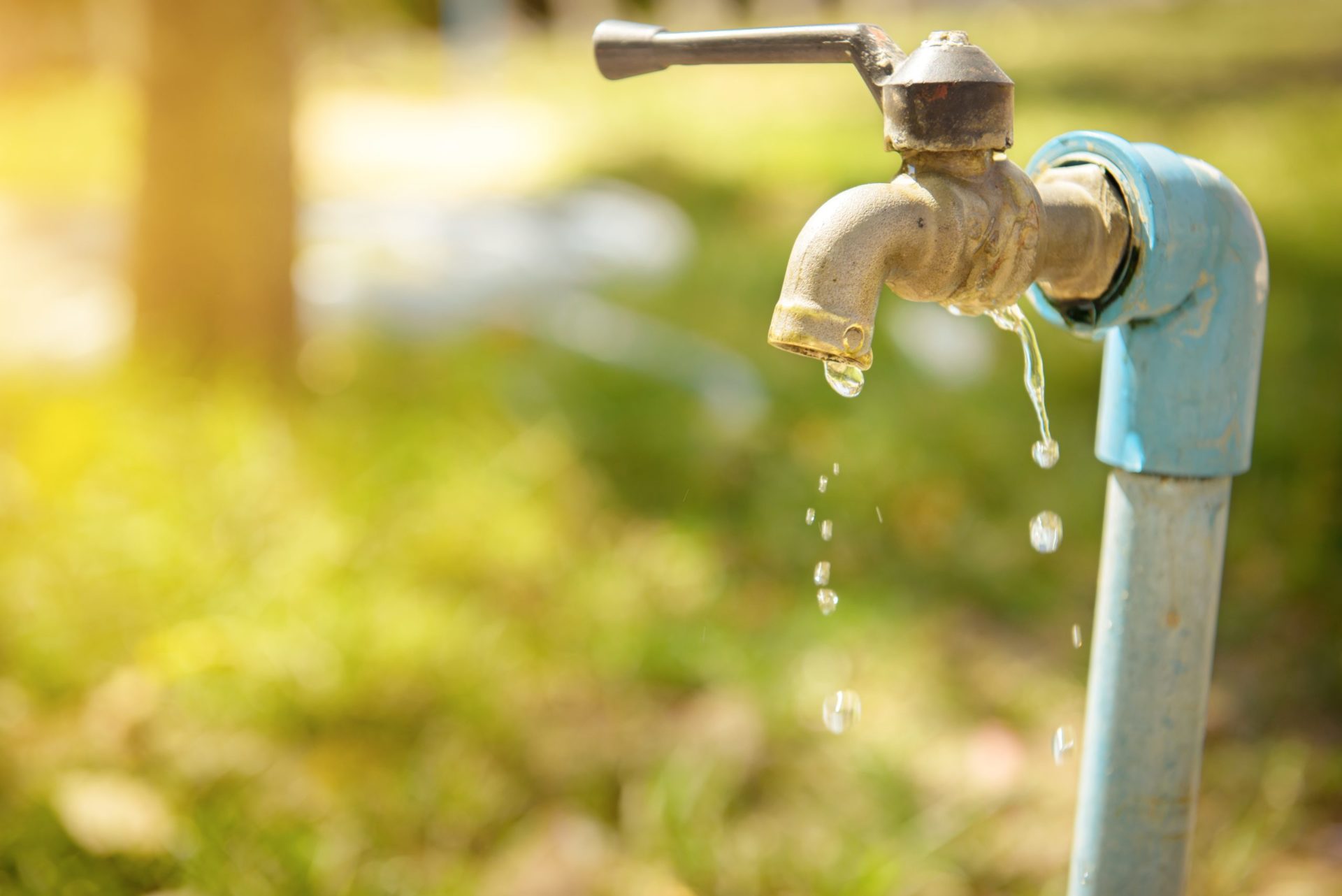
Cyprus faces annual losses from the water distribution network reaching 30 million cubic metres—nearly 40% of total available supply—according to a report being examined by lawmakers.
The Audit Office report reveals systemic problems, delays, and urgent need for climate change adaptation despite Cyprus having 108 dams and five desalination plants. Some areas, including Paphos and Limassol, record losses up to 70%.
MPs are expected to pose critical questions about infrastructure conditions, delays in connecting the Vasilikos desalination plant to the water supply network, and utilisation of recycled water, which remains largely unexploited despite available capacity.
Climate change adaptation inadequate
The report identifies serious deficiencies in planning and implementing climate change adaptation policies. Questions arise whether Cyprus has adequately assessed climate change impacts on the water sector and whether timely, effective measures have been implemented.
Rising temperatures and reduced rainfall intensify evapotranspiration and favour phenomena like salinisation of aquifers, particularly threatening coastal and mountainous communities dependent on natural sources.
Strong criticism emerges regarding the absence of unified water pricing policy and low cost recovery from water provision. The committee will examine why regulations concerning borehole water are not fully implemented and why the Water Development Department lacks complete consumption data from non-governmental irrigation networks and private boreholes.
Mobile desalination units face delays
Particular discussion is expected regarding mobile desalination units donated by the United Arab Emirates. Committee members will seek clarification on operational timelines, transportation, installation and operating costs, and impacts on the electricity grid during peak summer months.
Despite project delays due to unforeseen technical difficulties, intensive work continues on installing the mobile desalination units. The original schedule envisaged units beginning operation by 30 June, but technical problems identified during installation and system testing pushed the new deadline to 22 July.
Technical challenges complicate installation
Water Development Department deputy director Giorgos Kazantzis said during Agriculture Minister Maria Panagiotou’s site visit to the Moni power station that the project is particularly complex and technically demanding.
“Our initial intention was to complete work by end June or early July at latest, but we face daily challenges causing delays. The units are brand new and technical testing reveals issues requiring immediate solutions,” Kazantzis emphasised.
Officials maintain constant communication with the UAE manufacturer whilst cooperating closely with the electricity authority and subcontractors to resolve problems. Additional boreholes in the Kouris Delta and Germasogeia are being activated to cover potential water supply gaps until project completion.
Read more:

