


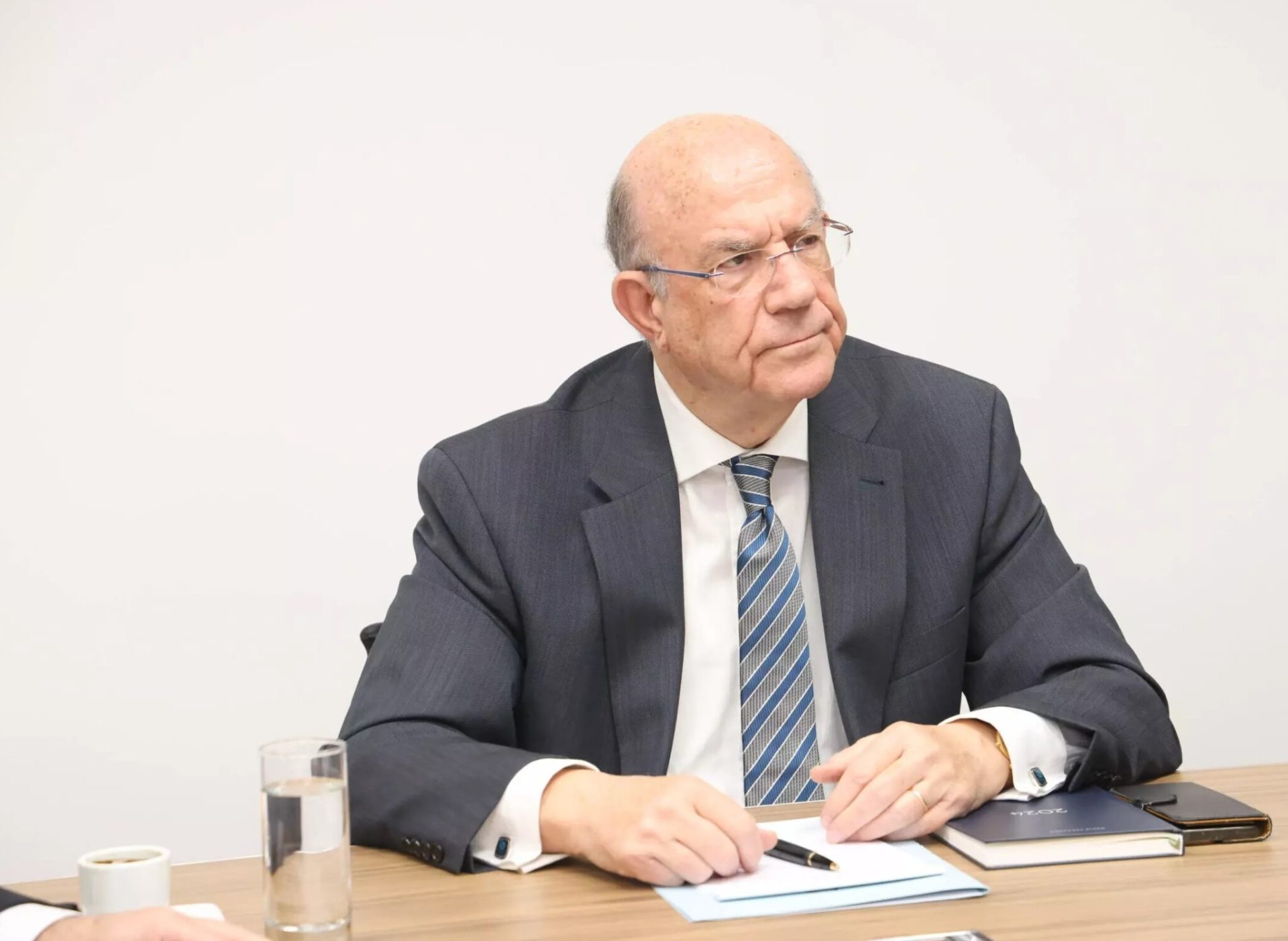
Finance Minister Makis Keravnos made it clear on Thursday that football clubs with outstanding tax debts will receive no special treatment if they fail to comply with payment requirements.
“If the clubs do not respond, they cannot be treated differently from other citizens,” Keravnos said during an interview on state broadcaster CyBC1, addressing the issue of football clubs’ tax arrears.
The finance minister emphasised that the Tax Department is handling the matter as part of its normal duties.
If the clubs address their overdue obligations, then they can continue to participate in the debt repayment scheme and subsequently repay their (remaining) debts, he added.
Keravnos said he has issued relevant instructions to the Tax Commissioner who is handling the case, stressing that the finance minister does not personally deal with the debts of citizens and companies.
Four clubs – APOEL, Apollon, AEL and Anorthosis – have accumulated new debts of 5.3 million euros since 2023, following a new repayment plan agreement. These new arrears add to their existing obligations, bringing their total debt to 25.6 million euros.
Apollon and Anorthosis have paid approximately 40% of their new debts, while AEL has committed to pay all its new debt soon. APOEL has pledged to make payments after Easter.
The Tax Department’s position is clear: if clubs fail to comply, charges will be filed with the Attorney General’s office against current and former club officials, leading to criminal prosecutions.
Non-compliance could also mean clubs fail to meet UEFA criteria, resulting in severe sporting and financial consequences. The final deadline for meeting UEFA criteria is the end of May.
Civil service promotion freeze suggested
In the same interview, Keravnos indicated he would not oppose a freeze on promotions in the civil service if political parties proposed such a measure.
“I would not object if parties agreed to freeze promotions in the Public Service,” he said while discussing the cost of the government payroll and the lifting of the ban on first-appointment positions.
Keravnos defended the government’s decision to abolish the prohibition on first-appointment recruitments, while reiterating that the government’s clear policy is not to abolish the cost-of-living allowance (CoLA) and the 13th salary, despite International Monetary Fund recommendations.
He noted that the percentage increase in government payroll costs is not disproportionate to the state budget, emphasising that the number of civil servants is not directly related to government payroll costs.
According to Keravnos, the increased costs stem from structures and high salary scales in the public sector.

