


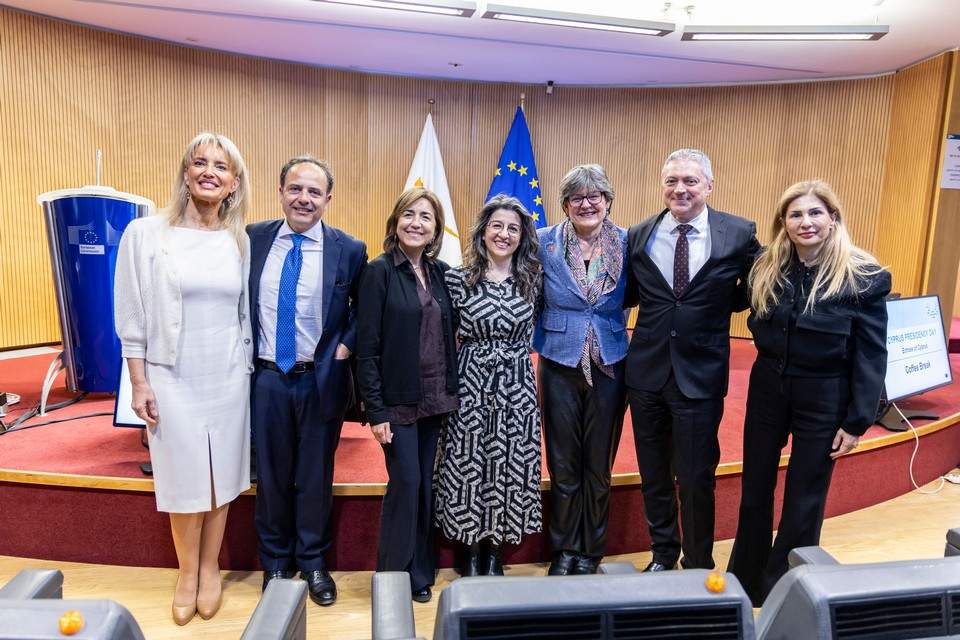
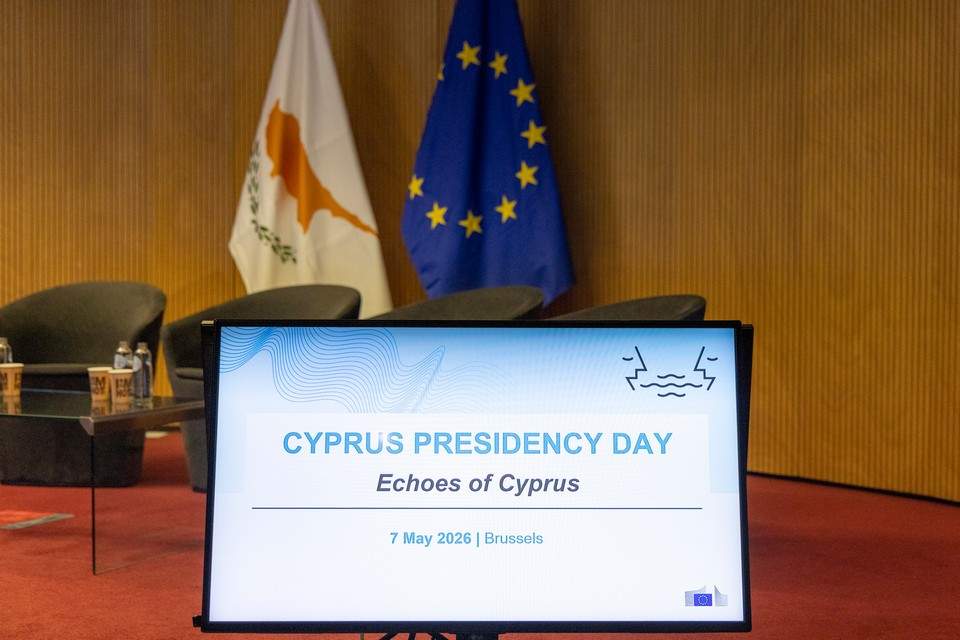
A documentary tracing Cyprus’s centuries-old oral poetry tradition had its world premiere in Brussels on Wednesday, shining a European spotlight on “one of the island’s most distinctive cultural forms”, according to a statement by the Press and Information Office (PIO) of the Republic of Cyprus.
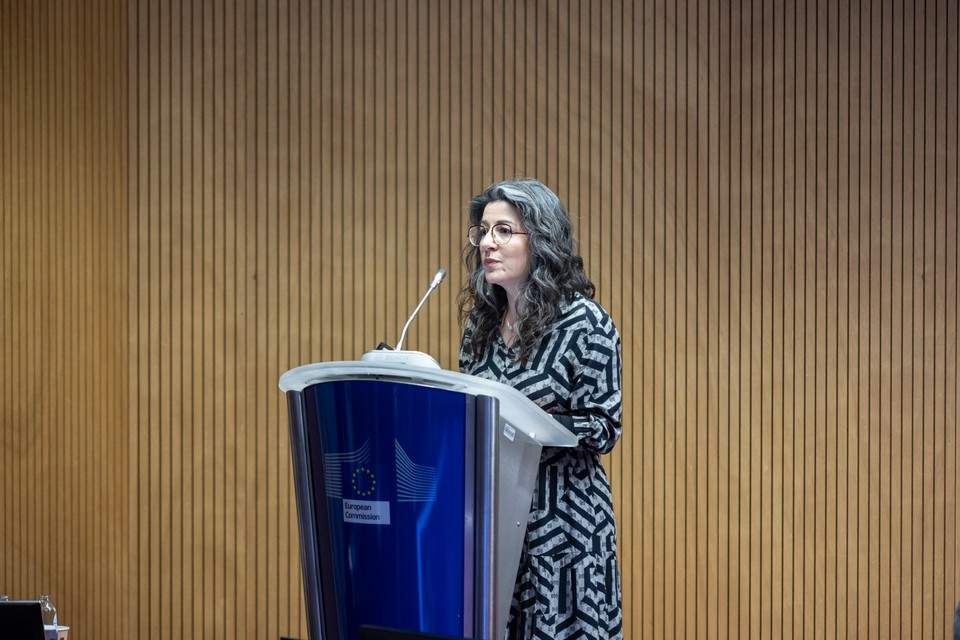
“Echoes of Cyprus,” produced by the PIO, was screened for the first time at the Breydel Auditorium at an event organised by the European Commission’s Directorate-General for Translation. The film is based on the research of ethnomusicologist Dr Nicoletta Demetriou, Director of the Cyprus Music Archive, who also presents the documentary and wrote its script.
Drawing on archival material now held at Harvard University, the film follows the 1953 fieldwork of Greek-American Classics professor James A. Notopoulos and folklorist Demetrios Petropoulos, who made the first field recordings of oral improvised poetry in Cyprus.
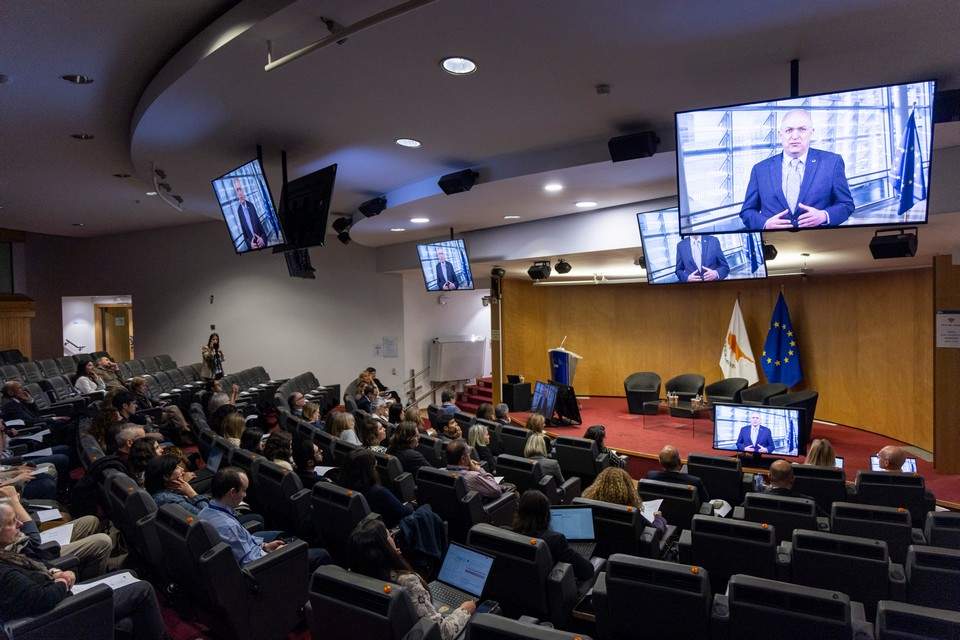
EU Commissioner for Fisheries and Oceans Costas Kadis, speaking via video message, said intangible cultural heritage reflects a living and shared dimension of society, underlining the role of culture in connecting communities, preserving identity and enriching European diversity. Cyprus may be a small island, he said, but its cultural presence has been shaped by centuries at the crossroads of peoples, languages and traditions. He closed his remarks by reciting a tsiattisto of his own composition, dedicated to Cypriot fishermen.
Christos Ellinidis, Director-General of DG Translation, said Cyprus’s cultural identity and its stories, passed down through generations, were now gaining a European platform. He noted that the Cypriot dialect carries humour, irony and a particular warmth, and described the tsiattista tradition as a uniquely vibrant form of improvised poetic dialogue that keeps alive the island’s creativity, collective memory and cultural identity.
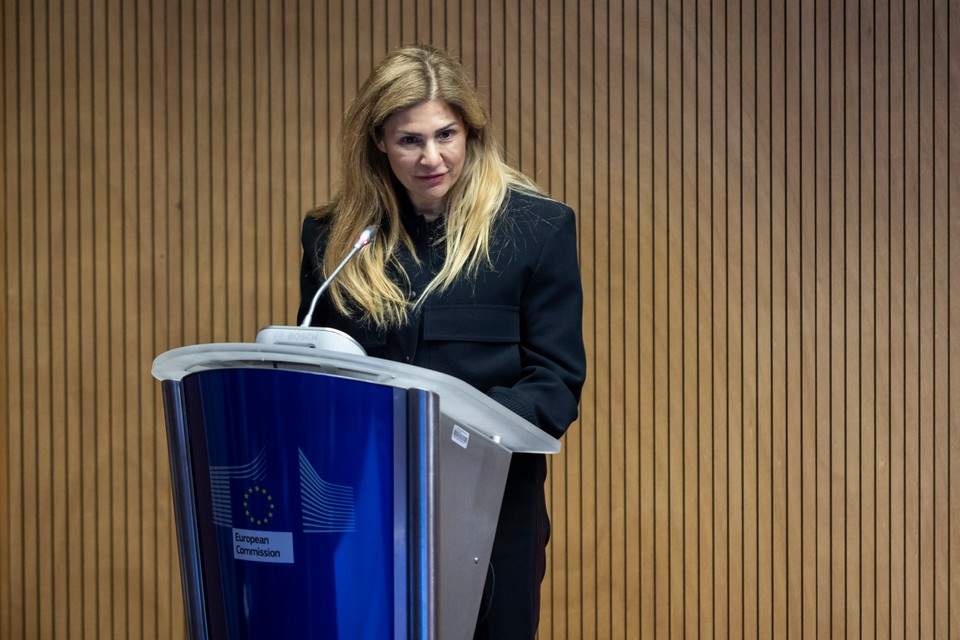
PIO Director Aliki Stylianou said it was important to treat Cyprus’s oral traditions as living cultural expressions rather than static historical records. The music and poetry endure, she said, because each new generation brings fresh meaning to them — a natural evolution that keeps traditions relevant across time.
The premiere was followed by a keynote lecture by Dr Demetriou, titled “Fighting with words: Poetic duelling and Europe’s living oral traditions.” She described tsiattista as the most characteristic form of sung oral poetry still practised in Cyprus and a fixture of festivals across the island. The tradition, inscribed on UNESCO’s Intangible Cultural Heritage list, is most famously performed at the Kataklysmos festival — held on the Pentecost weekend, 50 days after Orthodox Easter — in coastal towns, most notably Larnaca.
The event also included the presentation of the European Heritage Award / Europa Nostra 2026 in the Research category to Dr Demetriou for her long-term project “The Cypriot Fiddler,” which documents the lives and artistic practice of some of the island’s last traditional musicians.
A round table discussion, “Improvised oral poetry in the EU – from village fairs to European stages,” examined the role of oral traditions in contemporary Europe and their potential to bridge communities across borders. Participants included Sneška Quaedvlieg-Mihailović, Secretary-General of Europa Nostra; Lodovico Folin Calabi, Director of the UNESCO Liaison Office in Brussels; Kika Kattami, Education, Sport and Youth Adviser at Cyprus’s Permanent Representation to the EU; and Richard Blais of the European Commission’s Creative Europe programme.
The event closed with excerpts of improvised oral poetry traditions from several European countries, highlighting shared cultural roots between Cyprus and other Mediterranean regions, the PIO said.
Read more:

