


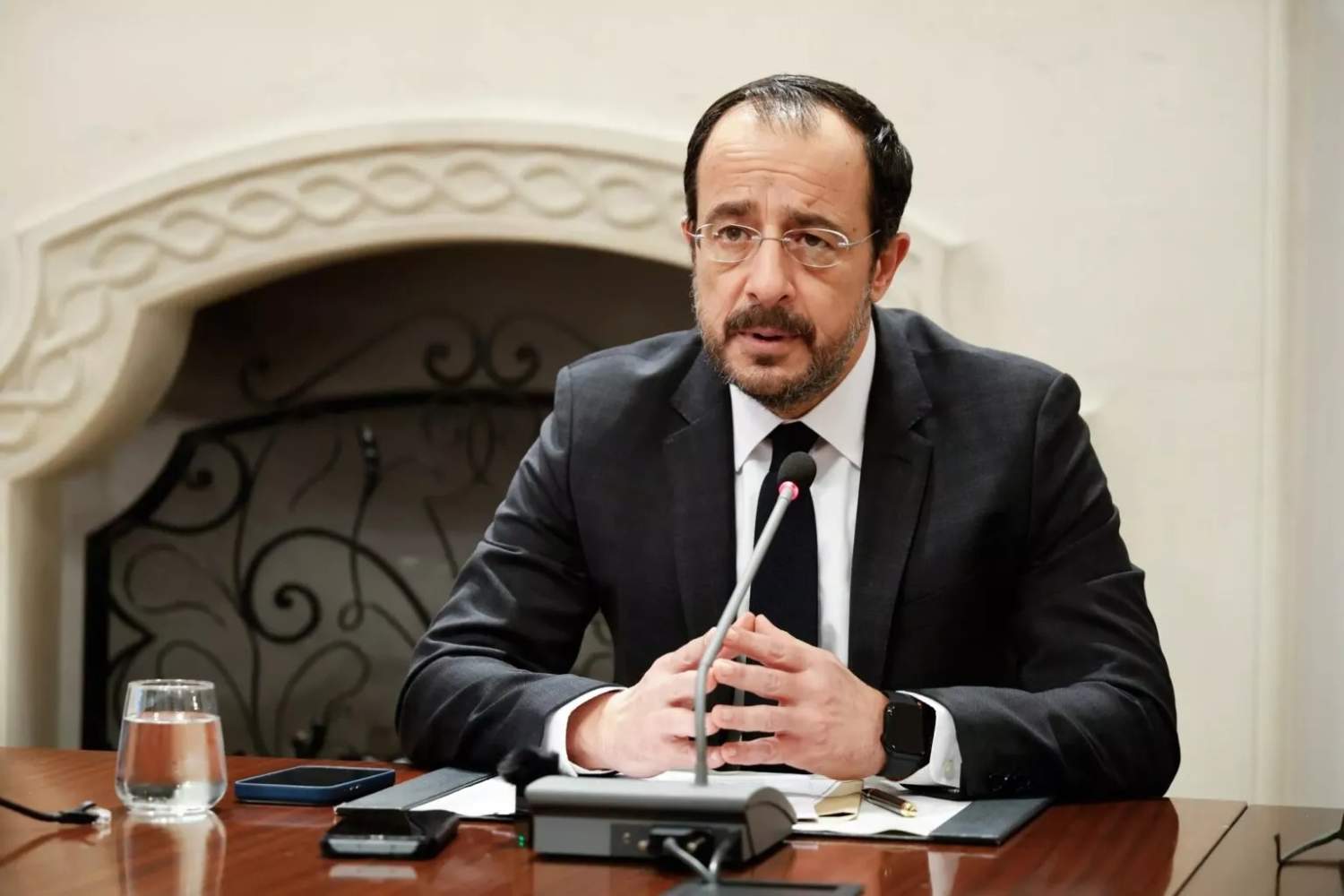
The meetings with EU Commissioner Varhelyi over what can only be described as the barely concealed demands of political parties, livestock farmers, and agricultural organisations — that Cyprus receive preferential treatment, sparing it both the culling of animals on infected premises and the export restrictions on dairy products that apply to every other EU member state — are not the only headache facing President Nikos Christodoulides today.
A meeting was scheduled for early this morning at the Presidential Palace, chaired by Christodoulides, on electricity adequacy. This is a matter of enormous consequence — serious and complex enough to pose, without exaggeration, a genuine threat to the economy and to the daily lives of residents and visitors alike for the next three to four years. Put plainly: finding workable solutions to ensure adequate power generation between summer 2026 and summer 2030 is now extremely difficult, and extremely expensive.
Phileleftheros learned last night that the meeting was postponed — most likely due to the President’s packed schedule. Understandable. But it must be rescheduled without delay. This column’s view is that the President should have sounded the alarm some time ago. And knocked a few heads together, while he was at it.
Whether adequate solutions can still be found for this year and next — even if significant sums are thrown at contractors for emergency fixes — is far from certain. Precious time has been lost, and the blame lies primarily with the Energy Regulatory Authority (CERA) and the Transmission System Operator. For years they have fobbed us off with the vague “assurance” that supply will “marginally cover demand” — meaning, as long as there are no breakdowns and no prolonged heatwaves.
Last summer brought the first peak-hour blackouts. This summer could bring more. Unless, of course, the war against Iran drags on and ends up suppressing tourist arrivals and electricity consumption enough to spare us the worst. But let’s say we scrape through again this year — what then, Mr President? Ask them again next year and the year after. And if they feed you the same “we’ll just about manage” line, don’t believe a word of it. Push back hard.
The Electricity Authority of Cyprus (EAC) believes there is a chance that the triple central battery storage system — to be installed under the Transmission System Operator — could be up and running within 14 to 15 months. But how is that remotely possible when the Transmission System Operator has yet to even award the contract, citing the need for parliamentary approval of its 2026 budget? Why was a supplementary budget for 2025 not submitted urgently three or four months ago, so that the process could get moving?
There will also need to be — and soon, one hopes — a serious conversation about the long-running saga of upgrading the Dhekelia power station: the planned decommissioning of six ageing steam-generating units by end-2029 (360 megawatts, Mr President) and the installation of at least three smaller, flexible generators capable of responding faster and more reliably to system demand.
At some point CERA and the EAC will presumably be called before the President to explain the delays in tendering and evaluating bids for these generators — another urgent job that has slipped badly, both in timing and in cost. The latest information from the EAC points to a board and management unwilling to pay €140 million or more for generators they won’t actually receive before mid- or late 2030! In the meantime, how exactly is demand supposed to be met? Will someone give the President a convincing answer — or will no decisions be taken even now?
Mr President, the foot-and-mouth crisis is a serious headache, not least because you are dealing with people who place private interest squarely above public good. But the same is true — and worse — in the energy sector. Decisions need to be taken and acted upon without further delay, or Cyprus is heading for a very dangerous few years.

