


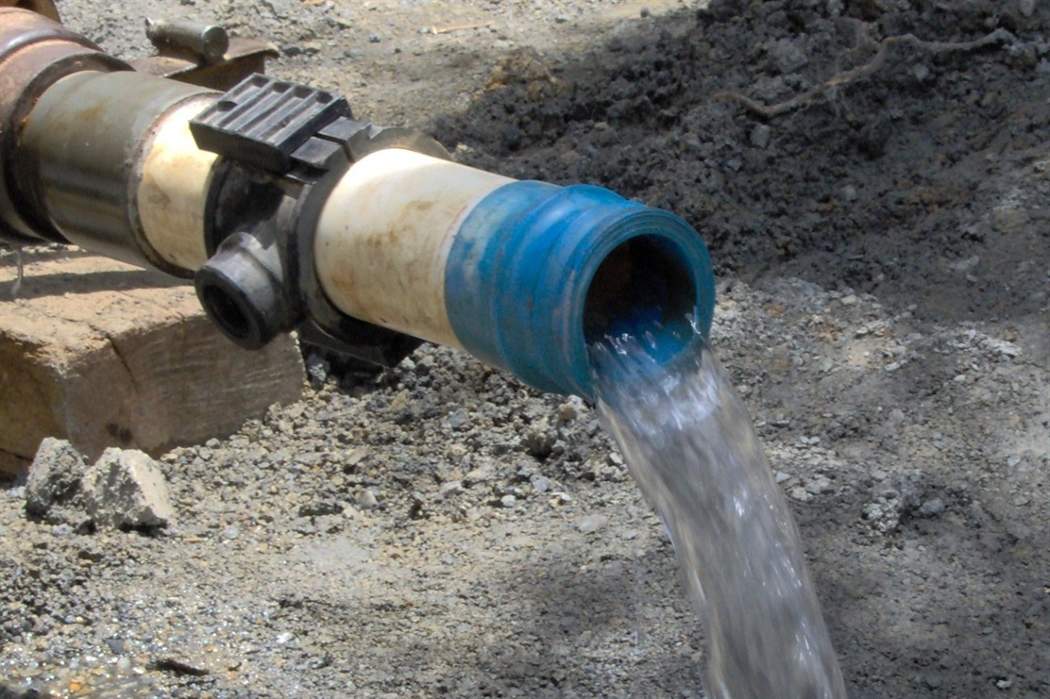
We are now in our fourth consecutive year of drought. That single fact alone is enough to reshape everything — and the picture it paints is grim. The decisions taken so far have offered breathing room, but they are not enough. As long as the rains don’t come in any meaningful way, the dire state of our water supply is almost impossible to reverse. That said, let’s be fair: every measure and every action helps significantly.
With the latest cabinet decisions on the water crisis, it is clear that the country has, in effect, declared a state of emergency. And for good reason: according to official figures, dam reserves stand at a critical 13%.
Faced with this extremely difficult situation, the government is moving on two fronts. It is activating its sixth package of measures, worth €168 million, to stave off cuts to the drinking water supply. At the same time, however, it is imposing an across-the-board 10% reduction in mains water provision.
So decisions have been announced and policies already adopted are being pushed forward. Plans are under way to bring more desalination plants online. All of these measures are important and useful. And all of them, obviously, will ultimately be judged by their results — even those designed to tackle the most acute crises. Which is exactly what the water crisis is.
As for the public, there is one critical obligation: conserve water. This isn’t something we can leave to the neighbour, the fellow citizen, the person in the next village. It is our duty too — a collective one. The situation is dire. By helping the state implement its policies and actions, we help ourselves. We help the country.
Now is not the time for complaints or hand-wringing. What wasn’t done in the past, what could have been done — yes, these are important questions. And they are part of the public debate. But what’s urgent right now is dealing with the crisis as it stands. A crisis, let’s be clear, that has been decades in the making. For years, instead of real solutions, the approach was to treat a serious, critical problem with aspirin. In the past, we’ve seen management that was tragic, superficial, and at times downright farcical — but as we’ve noted before, that’s a discussion for another day.
Yes, this went on for decades. Now we’ve hit the wall. The prospect of literally running out of water is staring us in the face. But this is something we can tackle — collectively, cooperatively, responsibly. Above all, through the targeted measures being taken by the state, which must be continuously strengthened and upgraded. But let us also repeat the obvious: the public bears responsibility too.

