


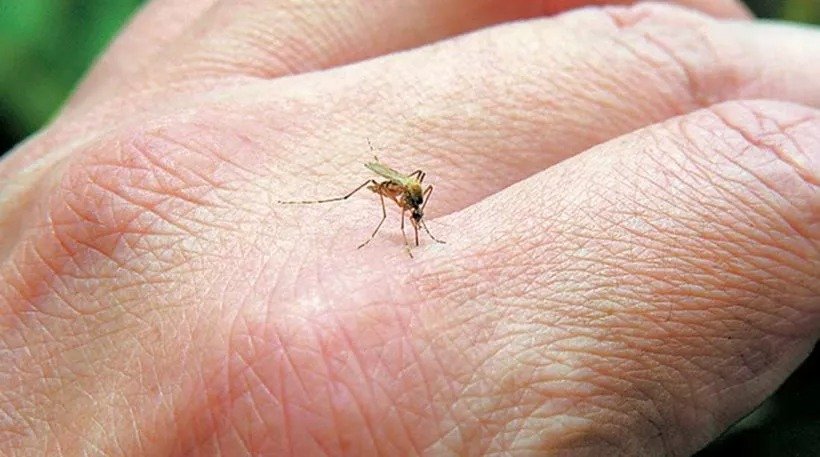
The European Centre for Disease Prevention and Control (ECDC) has issued a warning about the emergence of the Oropouche virus in Europe, which, until recently, was primarily known for its presence in South America.
Transmitted to humans by infected mosquitoes, the Oropouche virus rarely leads to fatal outcomes. However, recent data has sparked significant concern among the global scientific community due to its potential adverse effects on pregnant women.
The Oropouche virus infection, referred to as “OROV”, has been associated with an increased risk of miscarriage, developmental issues, and fetal malformations.
In its report, the ECDC states, “The impact of OROV infection on pregnant women, embryos, and neonates could be higher than for the general population, and this impact is currently under investigation.”
The first European cases were reported in Spain (12 cases), Italy (5 cases), and Germany (2 cases) during June and July 2024. Notably, most of the patients had travel histories to countries where the virus is endemic, including Cuba and Brazil.
According to the ECDC, “OROV disease cases have been documented in several countries across South America, Central America, and the Caribbean.” In 2024, outbreaks have been reported in Brazil, Bolivia, Colombia, Peru, and, most recently, Cuba, emphasising the virus’s ongoing spread.
The European Centre highlights that the illness caused by the Oropouche virus typically manifests as an acute febrile condition accompanied by headaches, nausea, vomiting, muscle and joint pain, and, in some cases, more severe symptoms.
Fortunately, the prognosis for recovery is generally favourable, and fatal outcomes are exceptionally rare.
At present, there are no available vaccines or specialised treatments for OROV disease. Importantly, it is worth emphasising that human-to-human transmission of the virus has not been documented to date.
However, a recent report from the Ministry of Health in Brazil has raised the possibility of mother-to-child transmission during pregnancy, with six potential cases identified.
Oropouche, first discovered in Trinidad and Tobago in 1955, induces influenza-like symptoms that usually subside within a week. In more severe cases, it can lead to complications such as meningitis.
The virus is transmitted by specific mosquito species that were not previously prevalent in Europe.
Scientists suspect that the rise in cases in 2024 may be linked to the impact of climate change, as alterations in climate patterns and deforestation increase the likelihood of contact between virus-carrying insects and human populations.

