


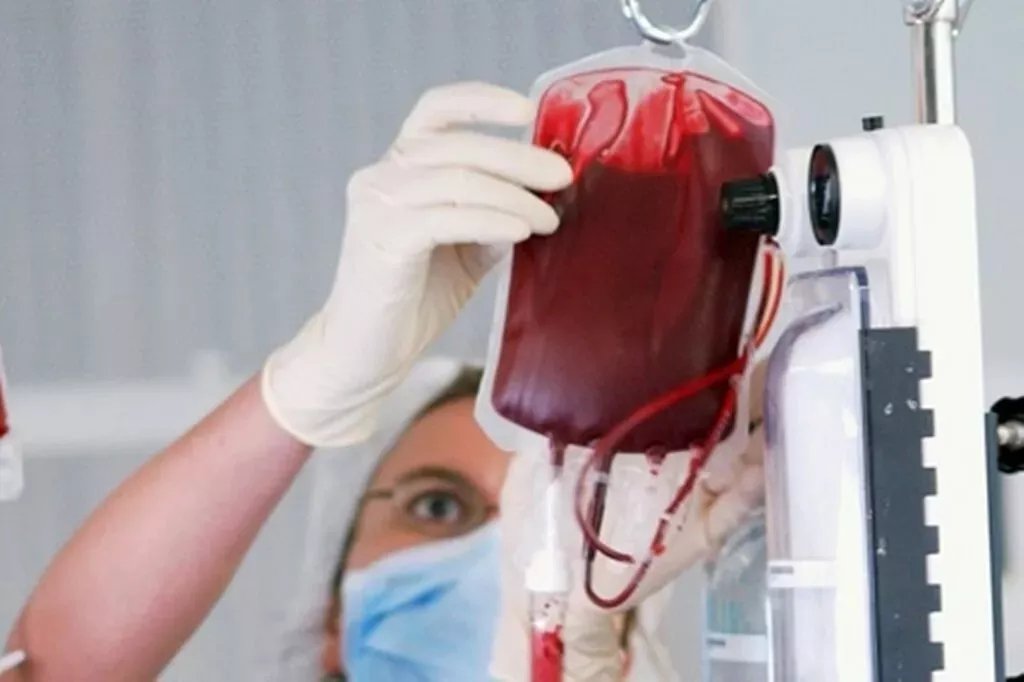
Public and private hospitals in Cyprus will have to take steps to minimise blood transfusions and record every one they carry out. The requirement is part of regulations approved by the cabinet on Wednesday to make transfusions safer.
Each hospital’s Haemovigilance and Transfusion Surveillance Committee must record transfusion data for every patient who receives a transfusion. It must also take measures to minimise transfusions by collecting and analysing data every quarter. The provision is about assessing whether transfusions are necessary and using the available blood stocks rationally.
The committees must also be on immediate standby for any recall of blood products from their hospital’s blood bank, for any reason. The regulations set out the committees’ role and link their work to the safety procedures already laid down in the Blood Donation Law. They will come into force three months after publication in the Official Gazette.
“All records must be available at any time for inspection by the competent authority,” the regulations say.
The committees will record serious adverse reactions and incidents linked to transfusions and report them to hospital blood banks. The regulations also provide for continuous staff training.
Recalls
The regulations do not set out reasons for a recall, as these are covered by the Blood Donation Law. The law already requires serious incidents to be reported, such as errors in the collection, testing, processing, storage or distribution of blood that may affect its safety, as well as serious adverse reactions in patients. It also requires every unit of blood to be traceable from donor to recipient and back, with the data kept for at least 30 years.
Authorised staff assess whether a recall is needed, and a report does not automatically lead to one. Where a possible risk arises, an investigation can trace the donor, recall any available blood components and inform anyone who may be affected.
The committees
The committees will oversee procedures such as labelling samples, transfusion requests, returns of blood products and handling unsuitable blood components. They will also monitor how guidelines on taking and labelling patients’ blood samples are applied, to reduce the risks during transfusion.
Each hospital will have a committee of at least four members: its administrative director, two doctors and a senior nursing officer. The committees will meet at least once a quarter, be reconstituted every three years and keep minutes. They will also produce annual transfusion reports and apply quality indicators.

