


Sporadic cases of dengue fever have been documented in Cyprus, as reported by the Director of Medical and Public Health Services, Dr Elizabeth Constantinou, to the Cyprus News Agency (CNA) on Thursday.
Dr Constantinou highlighted that there appears to be no record of primary infections within the Republic of Cyprus.
She emphasised that the overall incidence of dengue fever cases in Cyprus is not notably high, indicating that the cases observed are generally linked to individuals returning from overseas. While she noted the absence of primary infections within the Republic, she acknowledged the possibility of such occurrences, given that dengue fever reporting is not mandatory.
Consequently, she pointed out that, based on available records within the relevant Ministry, instances of the disease are sporadic.
It is worth noting that two confirmed cases of dengue fever are presently under treatment at the Special Infections Unit of Nicosia General Hospital. These cases mark the first instances of dengue fever in Cyprus, coinciding with growing concerns in Europe.
In response to inquiries about previous years, Dr Constantinou revealed that only one case, imported from abroad, was recorded last year. Regarding hospitalisations in prior years, she stated, “There do not appear to be any patients hospitalised with dengue fever.”
Addressing the readiness of hospitals to handle such cases, the Director of Medical Services affirmed, “Cyprus has the methods available to diagnose and treat cases.”
Dr. Constantinou highlighted that most individuals infected with the dengue virus exhibit no symptoms. For those who do, symptoms typically include mild fever, headache, malaise, and mouth rashes indicative of a viral infection.
“A very small percentage of cases manifest severe clinical symptoms and are dangerous to the body,” she added.
Concerning treatment, Dr. Constantinou explained that the prescribed approach is conservative, involving ample fluids, antipyretics, and other necessary support for basic functions. She clarified that there is currently no specific treatment or vaccine available.
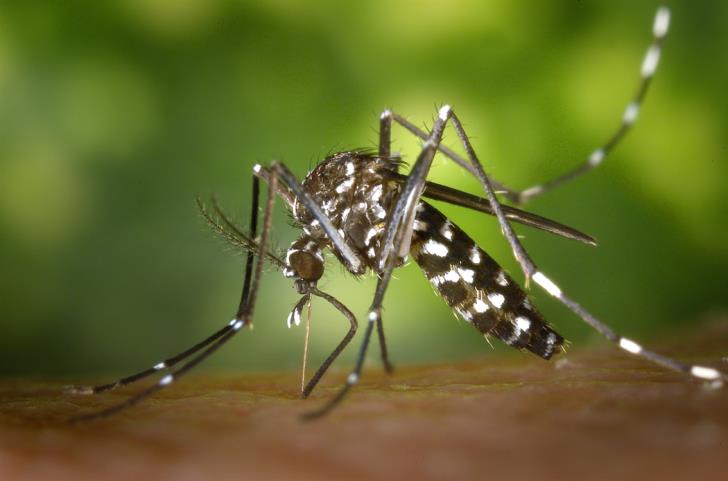
The dengue virus is transmitted through the bite of an infected mosquito, specifically the Aedes genus, notably Aedes aegypti and Aedes albopictus (tiger mosquito).
According to the Medical Services Director, “In Cyprus, we have both species of these mosquitoes, which serve as the intermediate host infecting humans. Transmission does not occur directly from humans; rather, an intermediate host, the mosquito, is involved.”
Expressing concern, she urged people to take precautions against mosquito bites, emphasising the need for protective measures in outdoor spaces to prevent mosquito presence.
Read more:

