


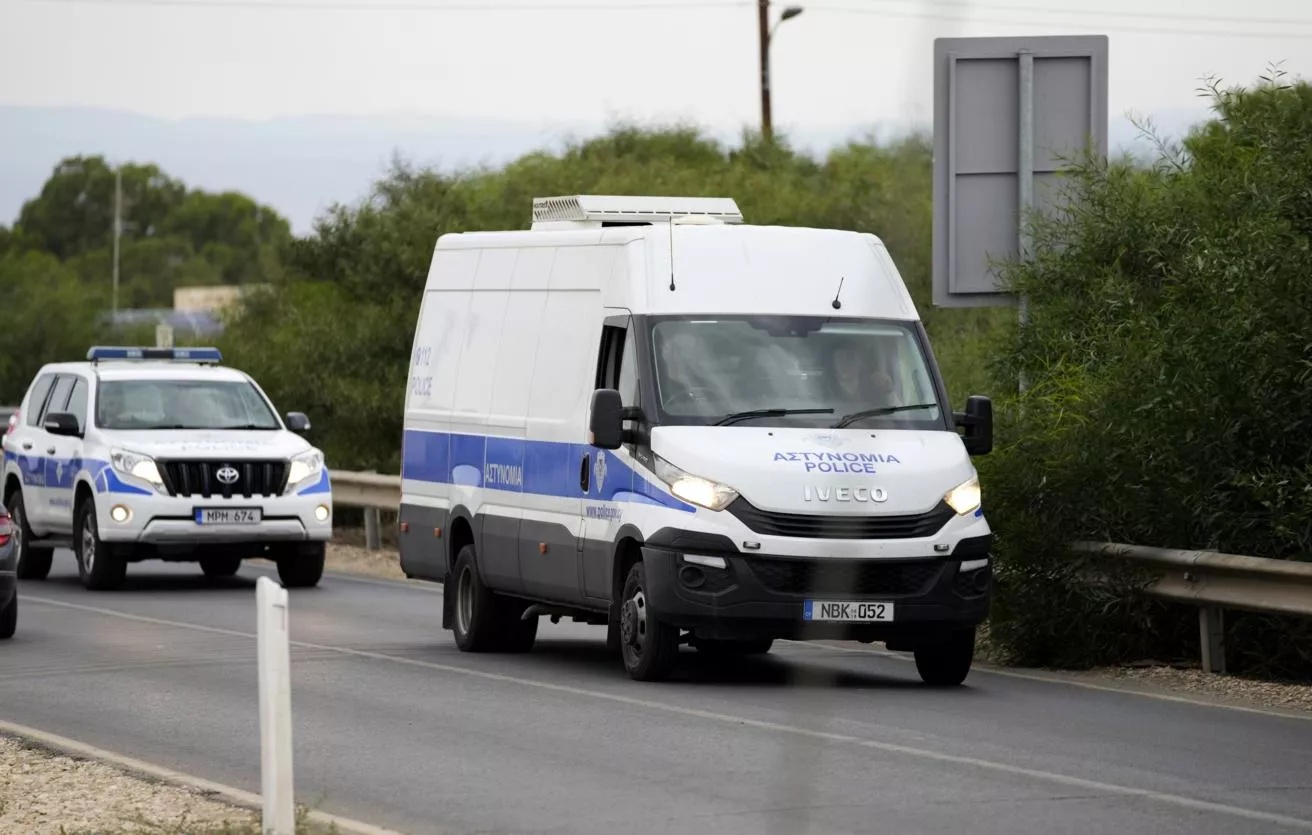
Cyprus’s Supreme Court, sitting in its first-instance jurisdiction, has rejected a Habeas Corpus application filed by Serazhudin Actulaev, a 40-year-old Russian national, seeking to prevent his extradition to the United States on cyber fraud charges.
The Larnaca District Court had already approved the US extradition request on 11 May 2026, a year after Actulaev’s arrest. His only remaining legal option now is to file an appeal.
The matter has drawn attention from the Russian embassy in Cyprus and from Russian news agency TASS, which has been following developments. The US had issued an international arrest warrant against Actulaev over suspected internet fraud offences. Police arrested him on 22 May 2025, after he had travelled to the island for a relative’s wedding. He is currently held at Central Prisons.
Actulaev’s lawyers raised three arguments in the Habeas Corpus application, heard last Thursday. The first argued that the case against him lacked reasonable suspicion and that the US evidence was objectively insufficient, saying the supporting statement of facts should have shown “reasonable grounds to believe an offence was committed and the person sought committed it”.
The second argued that the US had acted in bad faith by pursuing extradition without seeking assistance from Russia, where the alleged offences took place, and that US authorities had breached their duty of candour by withholding a statement from a man named Timofei Alenkin. Alenkin had told Russian authorities on 2 August 2025 that he alone had carried out all the criminal activity, including by using a computer at the restaurant where he worked for Actulaev, without Actulaev’s knowledge.
The third ground argued that the courts had exceeded their jurisdiction through an incorrect application of legal hierarchy and an unconstitutional interpretation of the right to a fair trial.
Supreme Court judge Haris Malaktos rejected all three grounds, ruling that the district court had been correct on two of them. On the bad-faith argument, he found that Alenkin’s confession to Russian authorities came after Actulaev’s arrest and after the US had already filed its extradition request and supporting evidence on 3 July 2025. The judge said the timing of the US response, once it learned of the confession, did not show bad faith, adding that nothing raised by Actulaev before the district court demonstrated an abuse of process or a breach of candour by the US.
Several media outlets have taken an interest in the story. One website that covers criminal cases involving Russian nationals has portrayed Actulaev as someone involved in cyberattacks with links to Russian officials, allegedly running a scheme to evade sanctions against Russia. The Supreme Court’s ruling makes no reference to this claim.

