


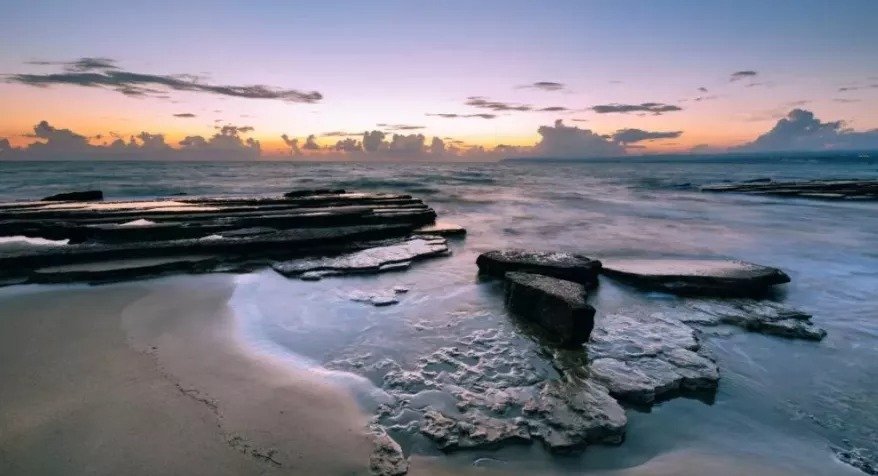
One of Cyprus’s most important breeding, nursing and resting cave complexes for the Mediterranean monk seal has been saved after environmental authorities rejected plans to build a breakwater in the Ayia Napa coastal area.
The Environmental Authority issued a Special Ecological Assessment report blocking the construction project, which would have been located about 400 metres from critical seal habitats.
Up to six seals have been recorded using the specific caves simultaneously, with two seal pups born in December 2021 and another two in November 2024, authorities said.
According to recent data, the Mediterranean monk seal population in areas under effective control of the Republic of Cyprus, including British Bases, stands at 20-22 individuals, showing the caves’ significance for the endangered species.
“Construction of the proposed breakwater risks significantly impacting the species, with serious negative effects on the conservation objectives of the protected area regarding the Mediterranean monk seal,” the Environmental Authority stated in its decision.
The rejected project, submitted by the Department of Public Works, involved constructing a submerged breakwater combined with artificial replenishment of part of the existing coastline along a 1.6-kilometre stretch within Ayia Napa municipal boundaries.
Environmental experts determined the proposed site was approximately 750 metres from the Cabo Greco Special Protection Zone, about 100 metres from the proposed extension of the Cabo Greco Special Conservation Zone, and 400 metres from the seal caves.
A coastal engineering expert’s report concluded that erosion in the study area is not active, having stabilised with only seasonal movement of coastal sediment observed.
Construction of the proposed breakwater would lead to “a decade of coastal destabilisation with suspended solids and permanent disturbance from almost annual replenishment needs with borrowed sediment,” the report stated.
The most significant impacts would have been the risk of affecting the caves and sandy beach habitat used by the seals for breeding, nursing and resting.
“Considering the very small size of the Mediterranean monk seal population in Cyprus, these caves are of particular importance for the conservation of the species and their non-impact must be ensured,” the authority concluded.
Read more:

