


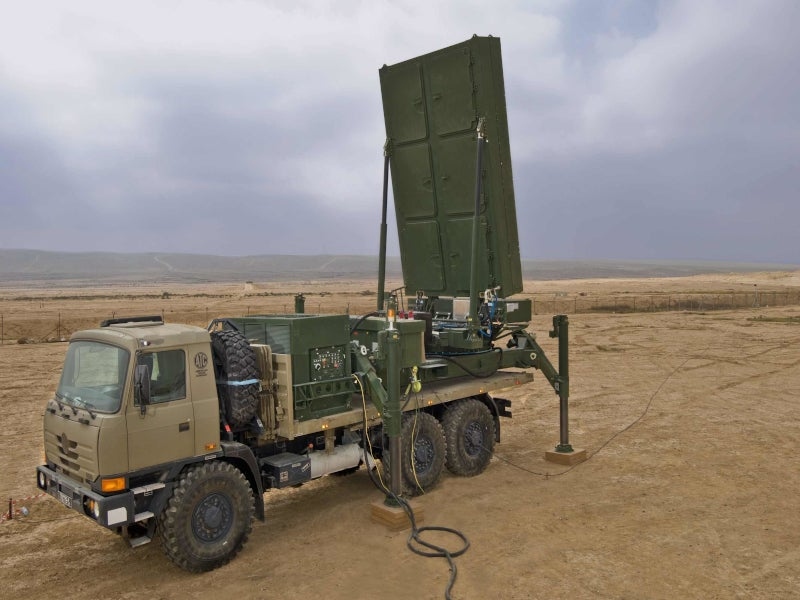
The interoperability of Cypriot and Greek air defence systems was among the issues discussed by Defence Minister Vasilis Palmas and his Greek counterpart Nikos Dendias.
The issue is gaining particular importance in light of Greece’s new procurement plans and the €3 billion Achilles Shield programme, which is bringing Israeli technology tested under real combat conditions into the country’s defence architecture.
The value of such systems is often judged too narrowly by the capabilities of their surface-to-air missiles and their interception rates.
For military planners, however, the radars are just as important. They can detect threats at long range and, if properly integrated, could give Cyprus and Greece an operationally valuable common picture of the eastern Mediterranean and the Aegean.
Integrating Cyprus’s BARAK MX systems with Greece’s Achilles Shield does not require each Cypriot system to communicate directly with every other weapon in the network.
The key requirement is connection to a unified air-defence command-and-control system, or C2, capable of collecting data from different sensors, building a common operational picture and allocating engagements among available air-defence assets.
In technical terms, the architecture follows the logic of Integrated Air and Missile Defence, or IAMD: a layered, network-centric air-defence structure in which individual systems do not operate as isolated units but as parts of a wider network.
Greek and Cypriot BARAK MX systems could therefore receive data not only from their own organic radars, but also from external sensors connected to the same network.
This is where so-called track fusion takes place.
Tracks generated by different radars are correlated so that the system can build a single, more accurate picture of each threat, including its position, speed, altitude, direction and type.
An aircraft, drone, cruise missile or other airborne threat would therefore not appear as a separate track to each battery. Instead, it would be treated as one common target within the recognised air picture.
The central C2 system could then assess the type of threat, its trajectory, distance, the availability of air-defence systems and the geometry of a possible engagement before assigning the interception to the most suitable asset.
Even in such a configuration, the BARAK MX would continue to use its own fire-control system and its own algorithms for the final phase of the engagement.
The target picture and engagement assignment, however, could come from the wider network.
Referring to the initiative, Palmas said: “This is a particularly important initiative, which substantially strengthens the national security architecture and the ability to respond to modern threats.”
On paper, interoperability and the creation of a common recognised air picture may appear relatively straightforward.
In practice, however, the challenge is considerably more complex.
What has been described requires more than political commitments. It depends on sustained, long-term coordination at ministry and general staff level so that a common operational picture is not only created but maintained over time.
Such choices would have to outlast individual political cycles in both Greece and Cyprus and be treated as decisions of vital national importance, backed by continuity, institutional safeguards and a clear strategic direction.

