


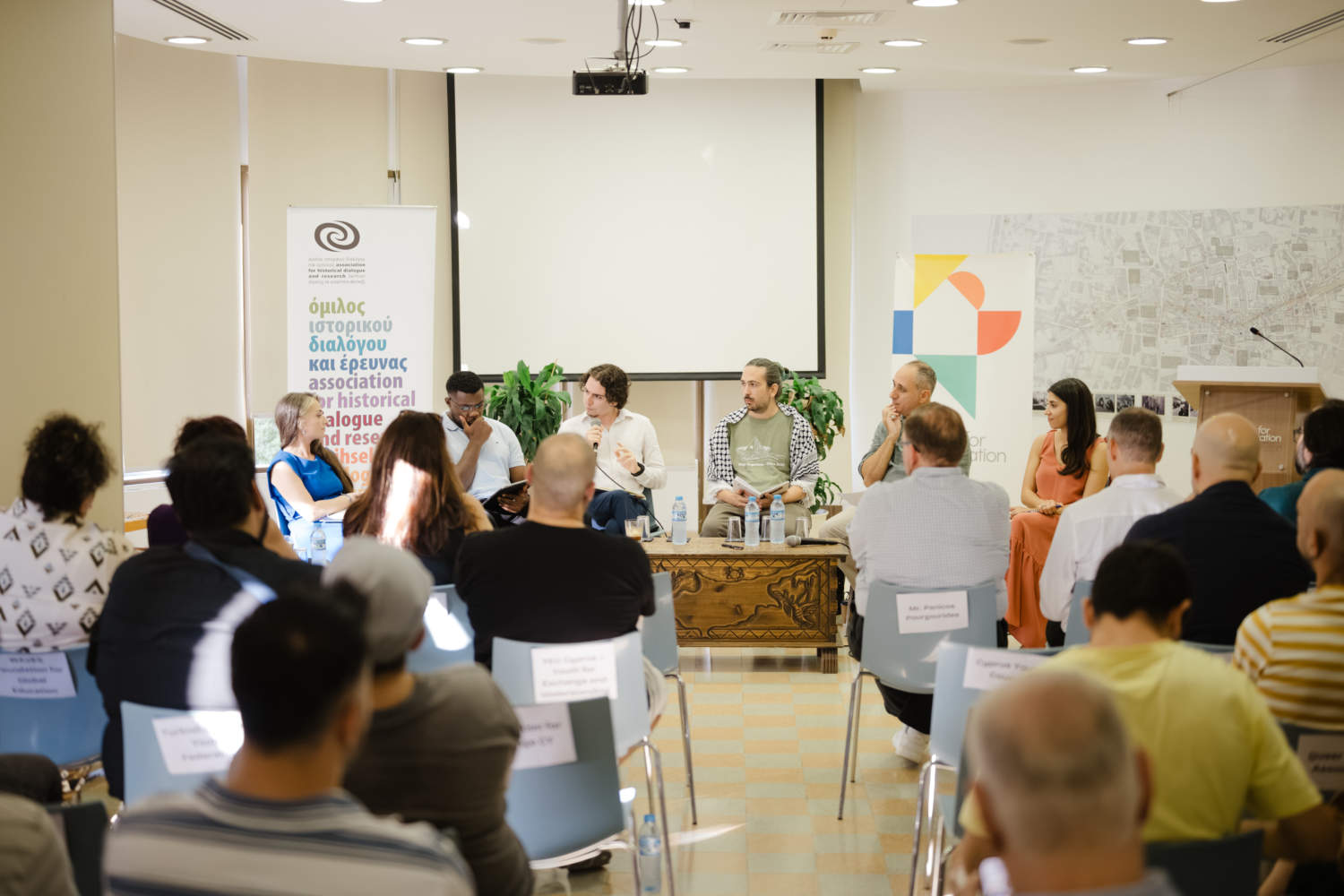
The Association for Historical Dialogue and Research (AHDR), the Home for Cooperation (H4C) and 15 other civil society organisations have signed a commitment to work together against racism and discrimination in Cyprus through education.
The organisations signed the Commitment to Action for Anti-Racist Education in Cyprus on 20 September during a panel discussion held as part of commemorations for the International Day of Peace.
In signing, they recognised that racism, prejudice, discrimination and exclusion undermine human dignity, equality, human rights, democracy and the prospects for a peaceful and inclusive society. They also stressed the need to involve those most marginalised both in the discussion and in the action needed for change.
The organisers said their longer-term aim was a sustainable, cross-community civil society platform through which organisations could cooperate on anti-racist education while keeping their own mandates, identities and areas of expertise. Rather than becoming another formal network, the initiative would be judged on whether it produced practical cooperation and meaningful action, they said.
AHDR director Loizos Loukaidis said in his opening speech that a great deal of work was already being done across Cyprus, but too often separately. “Racism does not operate in separate boxes. So neither should we,” he said.
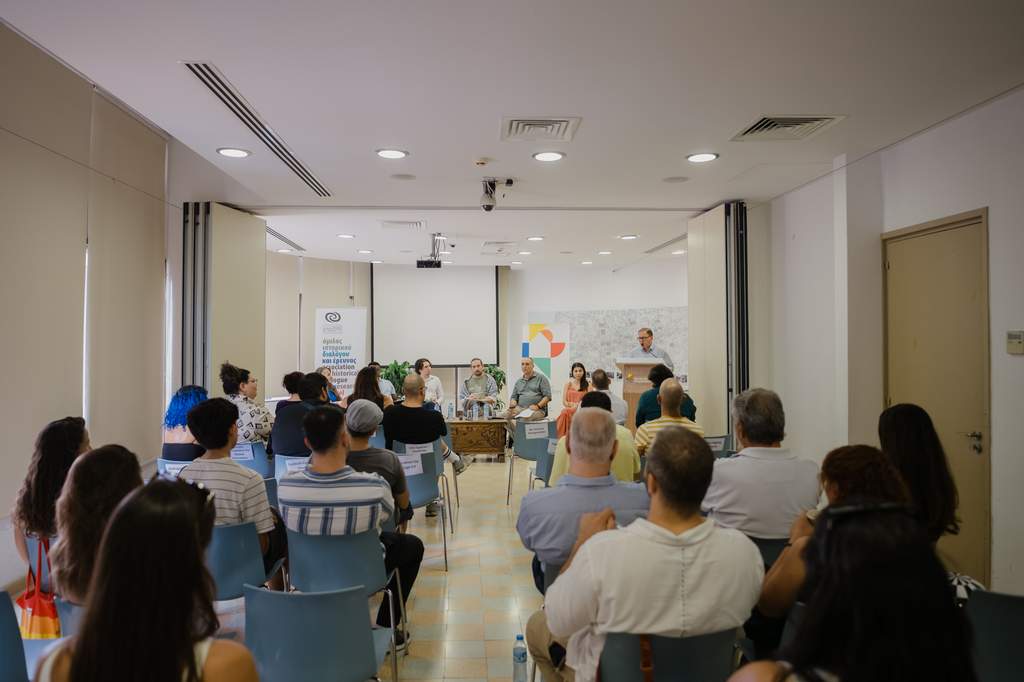
Panicos Pourgourides said racism could thrive on fear, ignorance and distance, while dialogue and education could help people challenge prejudice and see the individual behind labels and stereotypes. Referring to the EU Anti-Racism Strategy 2026 to 2030, he stressed the importance of education, stronger partnerships and a whole-of-society approach. “Combating racism cannot be the responsibility of any one institution or sector alone,” he said.
Ahmet Guneyli, press and publications officer at HARUKI Kultur-Sanat, said education could not end racism alone but could make every classroom a place where racism was not accepted. “Small, consistent steps matter more than big slogans,” he said, adding that because racism was a shared problem, the response had to be shared too.
The discussion, moderated by social psychology professor Senel Husnu Raman, brought together educators, civil society practitioners, activists and communities from across Cyprus. The other panellists were H4C executive manager Andri Christofides, Etinosa Erevbenagie-Johnbull, founder and managing director of Generation for Change CY, AHDR project officer Doga Kayra Avseven and Erman Dolmaci, director of the Human Rights Platform.
The other signatories are the WAVES Foundation for Global Education, United Sports Cyprus, the Cyprus Refugee Council (CyRC), Generation for Change CY, ACCEPT – LGBTI Cyprus, the Queer Cyprus Association, the Refugee Rights Association, the Human Rights Platform, YEU Cyprus, the Cyprus Youth Council, the Turkish Cypriot Youth Federation, KAYAD, HARUKI, the NGO Support Center and the Family Planning Association.
The organisers invited other civil society organisations, initiatives and communities in Cyprus that share the commitment’s principles to join.
The panel discussion was funded by the Representation of the European Commission in Cyprus through the EUAcrossCY_H4C project. The International Day of Peace commemorations were funded by Germany’s Federal Foreign Office.
The AHDR is an inter-communal, non-profit, non-governmental organisation set up in Nicosia in 2003. In 2011 it opened the H4C, an educational, cultural and community centre in the UN buffer zone in Nicosia’s Ledra Palace area.

