


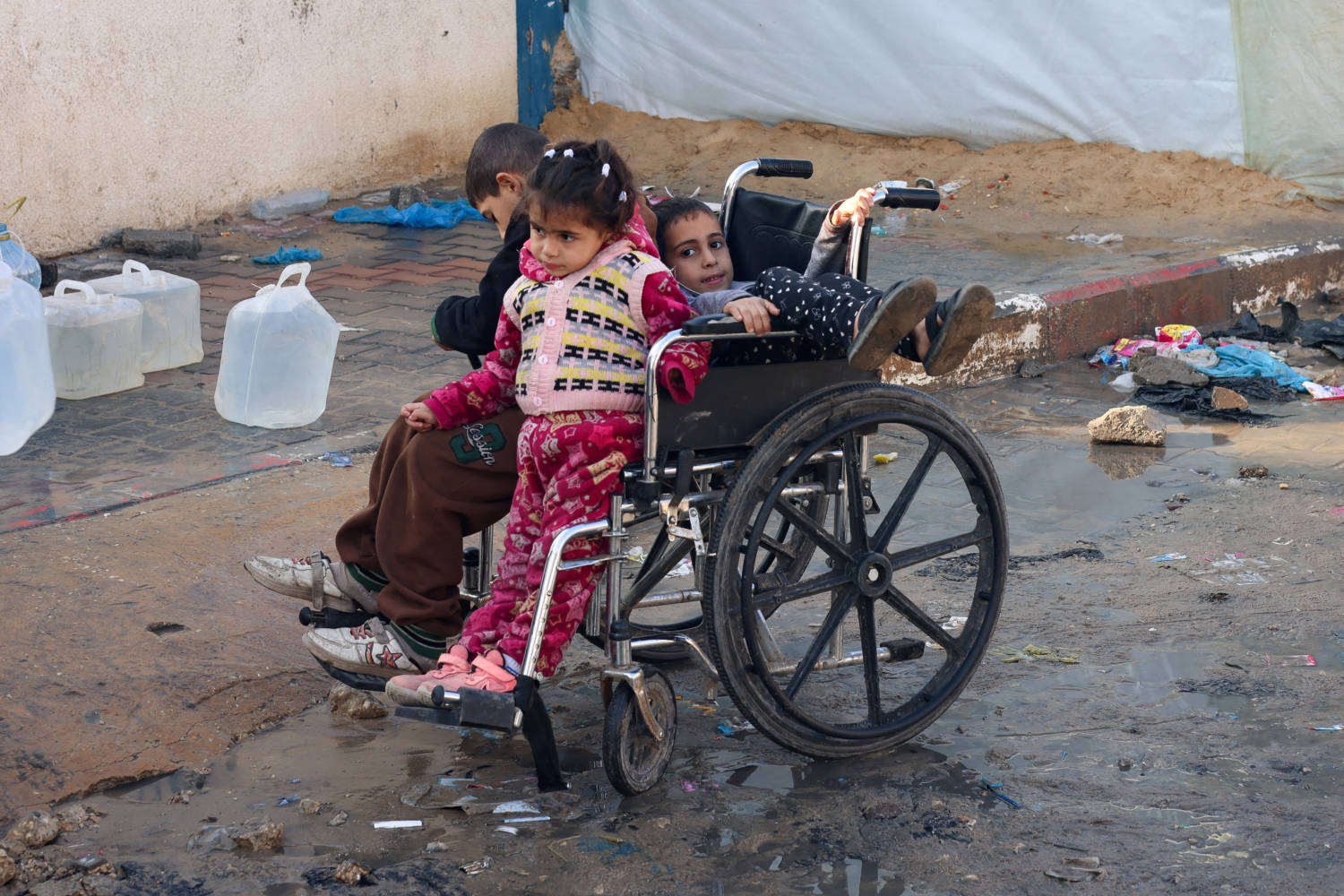
Attacks on water and sanitation systems in conflict zones more than tripled between 2021 and 2025, putting children at risk, the UN Children’s Fund (UNICEF) said in a report published on Thursday.
The number of incidents rose from fewer than 45 across eight countries in 2021 to more than 135 across 15 countries in 2025, according to the fourth edition of UNICEF’s ‘Water Under Fire’ report.
The report covers January 2021 to June 2026 and documents airstrikes and other attacks in 23 countries and territories on water, sanitation and hygiene (WASH) systems, the people who work in them and the communities that depend on them.
UNICEF Executive Director Catherine Russell said such attacks deprive children of safe drinking water and of the essential services that depend on water to work.
Types of attack
The report identifies seven categories of attack, from strikes on treatment plants, pipelines and wells to the contamination of water sources and restrictions on the supply of spare parts and chemicals needed to treat water.
In Sudan, only one of the 13 water treatment plants in Khartoum state was fully working by March 2024, it said, while more than 130,000 metres of sewage pipes have been destroyed in the Gaza Strip since October 2023.
Supplies can also be cut when pipes and pumps are left intact. In Iraq, a drone attack on a gas field in November 2025 cut electricity production in the Kurdistan region by about 80 per cent, forcing the authorities to ration power between water projects, hospitals and cities.
Wider effects
The attacks also have indirect and long-term consequences. Without clean water, health systems cannot sterilise equipment, deliver babies safely or prepare therapeutic milk for severely malnourished children, UNICEF said.
The report documents children being killed, injured or harmed while queuing for water, with numerous examples from the Gaza Strip. Women and girls, who are often responsible for fetching water for their families, face risks including sexual violence and lost education.
Water workers are also at risk. The UN recorded the killing of 14 water facility employees in Lebanon during the 2024 conflict, the report said.
Funding gap
Funding cuts are undermining humanitarian efforts to keep clean water flowing, the report said. In countries with a coordinated humanitarian response in the WASH sector, 137.9 million people need assistance, but only 26 per cent of the funding required this year has been received.
Russell said humanitarian workers were doing their best to keep water flowing despite the increase in attacks, but that repairs “cannot substitute for the protection of these facilities that is required under international humanitarian law”.
UNICEF called on warring parties, member states, donors and humanitarian and development organisations to protect water, sanitation and hygiene systems in conflict zones, and the children, communities and water and energy workers who rely on or run them. It also urged them to set up a mechanism to collect data systematically on such attacks, to allow safe and unhindered access for humanitarian, water and energy workers and for essential supplies, and to invest in approaches that are resilient to conflict, including locally led arrangements to keep services running.

