


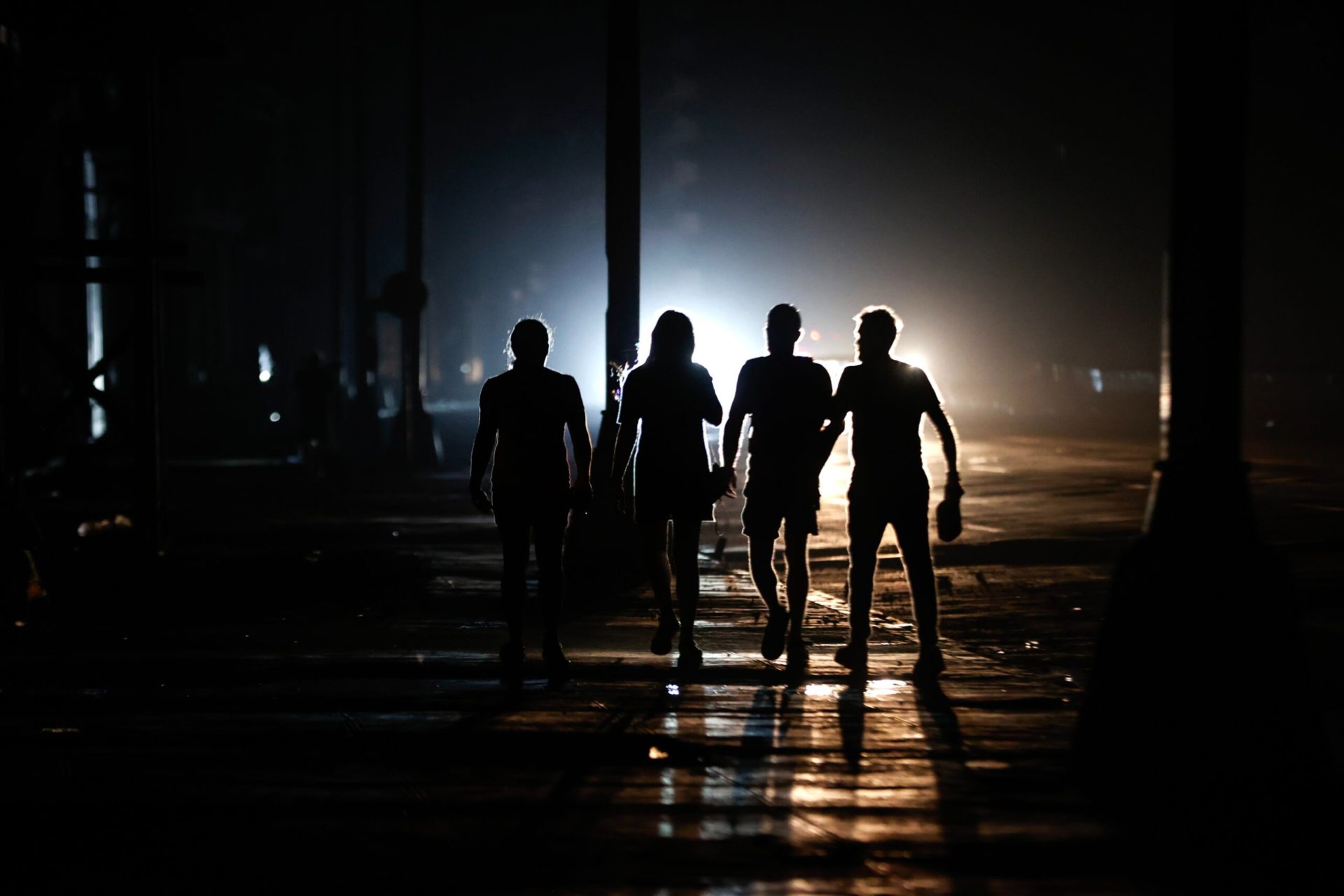
Power continued being restored across Cuba on Tuesday with more than 70% of the population reconnected to the grid, four days after a technical failure triggered a crisis worsened by Hurricane Oscar, which left widespread destruction and seven dead.
The island of 10 million inhabitants has faced a crisis since Friday due to a nationwide blackout and the passage of Oscar, a Category 1 hurricane that struck its eastern region on Sunday and Monday.
Cuban President Miguel Diaz-Canel announced on X that the storm’s death toll had risen to seven in Guantanamo province.
Beyond the six deaths in San Antonio del Sur community, “we were informed of another death in Imias”, a neighbouring area, he said.
The two towns experienced “unprecedented flooding levels” with 366 millimetres of rainfall in 24 hours, officials said.
The storm destroyed building roofs, and homes, and uprooted electricity poles and trees.
Hurricane Oscar, which made landfall on Sunday night with wind gusts reaching 130 kilometres per hour, was later downgraded to a tropical storm before moving away from Cuban territory on Monday night.
Authorities lifted the alert on Tuesday.
The Energy Ministry reported via X that 70.89% of customers had power restored by Tuesday morning.
While western regions, including Havana, reached 95% restoration, the eastern provinces of Guantanamo and Santiago de Cuba remained largely affected, with central regions ranging between 40% and 60% connectivity.
The crisis began Friday with a breakdown at the country’s main thermoelectric plant in Matanzas province.
The 11J, a non-governmental organisation based outside Cuba, reported “28 demonstrations across the country in recent days” as the island faces its worst economic crisis in thirty years, with food and medicine shortages and rapidly rising inflation.

