


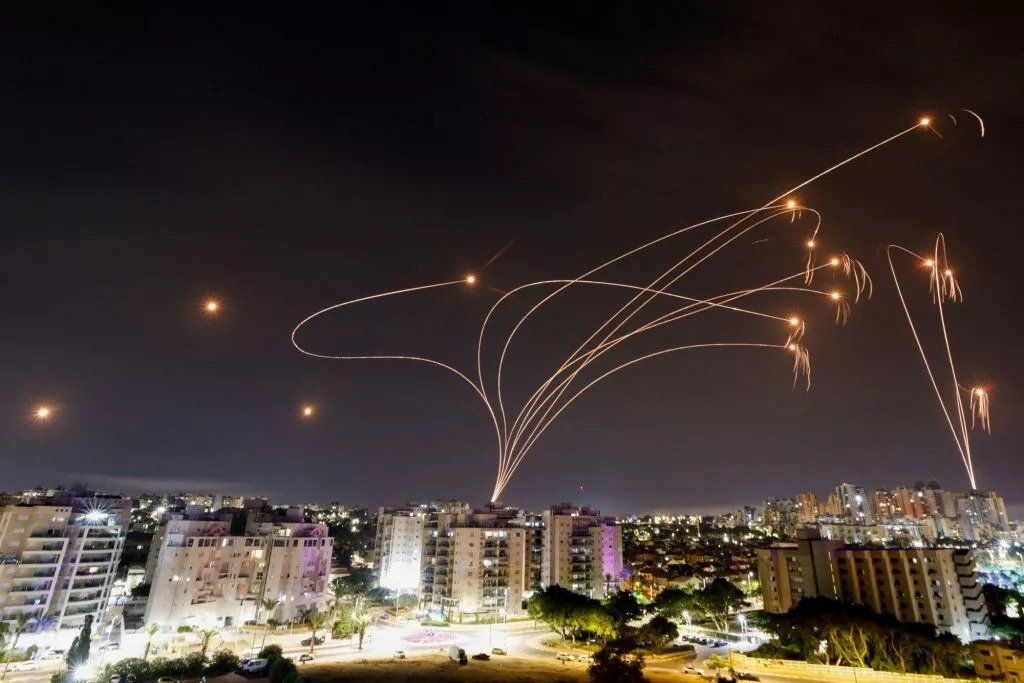
Tensions are high in the Middle East following the assassination of Hamas political leader Ismail Haniyeh in Tehran. Both Iran and Hezbollah have issued warnings of retaliation, while Arab media outlet Al Arabiya suggests that any response may be delayed.
According to a report by Axios, Israel has communicated to the US that if Hezbollah targets Israeli civilians in reprisal for the killing of its top military commander, the Israeli Defence Forces’ (IDF) response will be disproportionate.
In a speech on Tuesday, Hezbollah leader Hassan Nasrallah declared that the group will carry out retaliatory attacks for Israel’s assassination of Fuad Shukr in Beirut last week.
Nasrallah also asserted that Iran intends to avenge the killing of Hamas political leader Ismail Haniyeh, who was assassinated in Tehran.
Nasrallah stated, “The fact that Israel is waiting for a response for a week is part of the punishment, including a form of psychological warfare to affect morale.”
Israeli and American officials anticipate that Hezbollah and Iran are poised to launch attacks against Israel imminently, but the exact timing and nature of these strikes remain unknown.
Tel Aviv a potential target in Hezbollah’s reprisals
Hours before Nasrallah’s speech, Ibrahim al-Amin, editor-in-chief of the Hezbollah-affiliated Lebanese newspaper Al-Akhbar, published a front-page article suggesting that Tel Aviv is likely to be a target.
Al-Amin, known for his proximity to Nasrallah, wrote that Hezbollah has a wide range of options for retaliation, particularly given that Lebanese civilians were killed during the assassination of Shukr in southern Beirut. He further speculated that Hezbollah may strike a significant centre of the organisation responsible for the assassination.
Israeli officials interpret this to mean that Hezbollah’s response could target IDF headquarters in central Tel Aviv or key intelligence bases in northern Tel Aviv, including the Mossad headquarters.
All these sites are located in close proximity to civilian neighbourhoods, raising concerns that a missile strike, even if missing its intended target, could inadvertently harm civilians.
Israeli sources also indicate that the US has been apprised through military channels of the possibility of Hezbollah targeting civilian population centres if they aim for military bases within Israel.
IDF and Israeli Ministry of Defence officials have conveyed to their US counterparts their assessment that throughout the conflict, Hezbollah’s rocket fire has been inaccurate and their attempts to strike military bases have been fraught with errors.
Nature of the reprisals remains a matter of speculation
The exact nature of Iran and Hezbollah’s response remains unclear. Initial assessments predicted a swift strike early in the week, but the latest indications suggest a delay until the end of Thursday or Friday.
It is believed that Iran will wait until the conclusion of the Organisation of Islamic Cooperation (OIC) summit on Wednesday, which Iran requested following Haniyeh’s assassination.
American officials are also attempting to determine whether Iran’s response will involve a coordinated strike with Hezbollah or other proxy groups in Iraq or Yemen.
(information from in.gr)

