


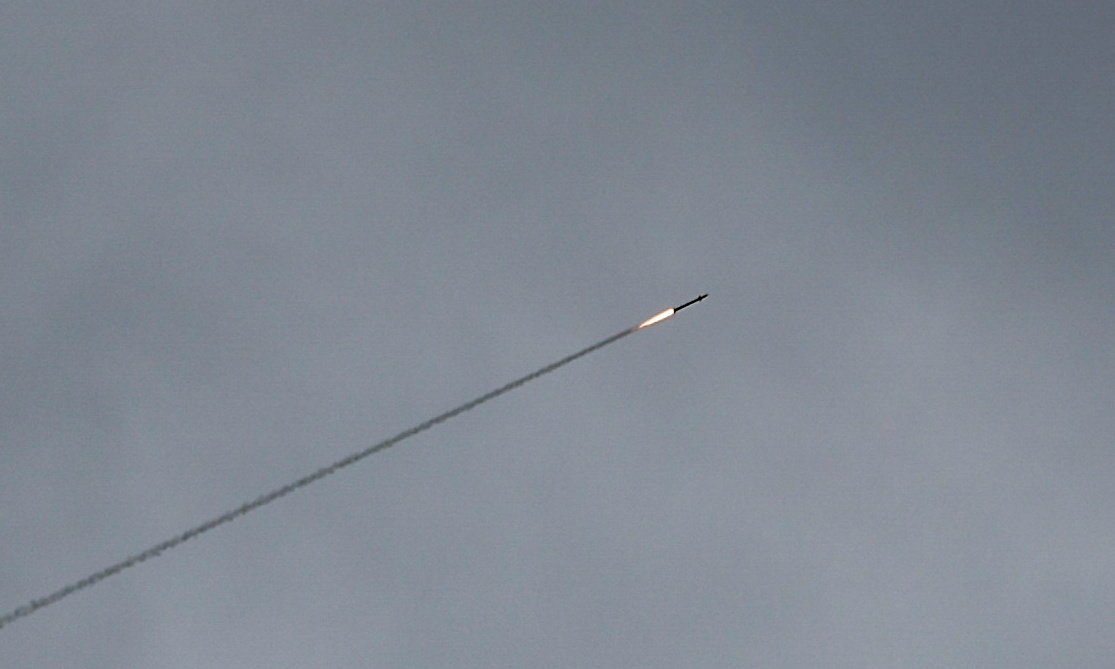
Iraq suffered a complete collapse of its national electricity grid on Wednesday as the fifth day of the US-Israeli war on Iran sent fresh shockwaves through the region, with Tehran threatening to attack vessels carrying cargo to Israel and Israeli strikes killing at least 20 people in Lebanon.
Iraq’s Electricity Ministry said the national grid had gone down entirely across all provinces, with the cause under investigation.
The total blackout immediately raised questions about the conflict’s impact on Iranian gas supplies that Baghdad depends on to generate the bulk of its electricity. Iraq relies on tens of millions of cubic metres of Iranian natural gas per day to keep its power plants running, and previous disruptions to that supply have triggered immediate, nationwide outages.
Iran sharply escalated its economic warfare on Wednesday when an unnamed Revolutionary Guards Navy commander told Iranian state media that Tehran was targeting US and UK vessels — and any ships regardless of flag — carrying cargo destined for Israel in the Gulf. The threat extended Iran’s retaliation beyond the battlefield and into the arteries of global trade, compounding fears over freedom of navigation in the region. The conflict has already pushed Brent Crude prices from around $70 to over $80 per barrel since fighting began on 28 February, after Iran’s earlier threat to close the Strait of Hormuz, through which roughly a fifth of global oil supplies pass.
In Lebanon, Israel’s Social Affairs Minister said 20 people were killed in Israeli strikes on Wednesday. The Lebanese Health Ministry’s running toll since Hezbollah entered the conflict on Monday stood at 50 dead and 246 wounded. An Israeli airstrike on a four-storey building in the eastern city of Baalbeck killed six people and wounded 15, with rescue workers still searching for survivors. A strike also hit a hotel in the Beirut suburb of Hazmieh, well outside Hezbollah-controlled territory.
Israeli troops pushed deeper into southern Lebanon on Wednesday, with a senior Lebanese security official telling Reuters that forces had moved into at least nine towns. An Israeli military spokesperson said the army was “positioning troops a little farther” into Lebanon “to prevent any attacks against the northern communities” in Israel.
Israel simultaneously issued its broadest evacuation order yet, instructing residents of an area amounting to roughly 8% of Lebanese territory — the strip between the border and the Litani River — to move north immediately “to guarantee your safety.”
Hezbollah announced several attacks on Wednesday, including a precision-guided missile strike on a military facility in northern Israel and drone attacks on a base 120 kilometres inside Israeli territory. On Tuesday, missiles from Lebanon triggered air raid sirens as far south as Tel Aviv.
Hezbollah said it entered the war to avenge the assassination of Iranian Supreme Leader Ayatollah Ali Khamenei, killed in the opening US-Israeli strikes on 28 February. Israel’s military said it had struck more than 250 Hezbollah targets across Lebanon in the previous 48 hours.
Nearly 60,000 people have fled the renewed fighting in Lebanon, the United Nations said, adding to tens of thousands already displaced by the 2024 war between the two sides.
(Reuters)
Read more:

