


Cyprus property prices have surged over the past decade, with apartment prices in some regions more than doubling, according to central bank data analysed by Phileleftheros.
The apartment price index hit 118.2 points in the second quarter of 2025, exceeding the previous record of 105.8 points set in the fourth quarter of 2008, when the property bubble that contributed to the 2013 banking crisis was forming.
Property prices now stand 44% above their low point recorded in 2006, the analysis showed. The housing price index fell to 77.8 points in 2014 and 73.4 points in 2013 following Cyprus’s financial crisis.
Limited supply of new homes, improved incomes for certain categories, and particularly increased demand from abroad have led to a significant rise in prices.
This has revitalised construction activity, though it has not been sufficient to satisfy existing demand, according to the Phileleftheros analysis.
The sharp increase in new property prices has also been driven by rising building material costs combined with strong demand from both domestic and foreign buyers.
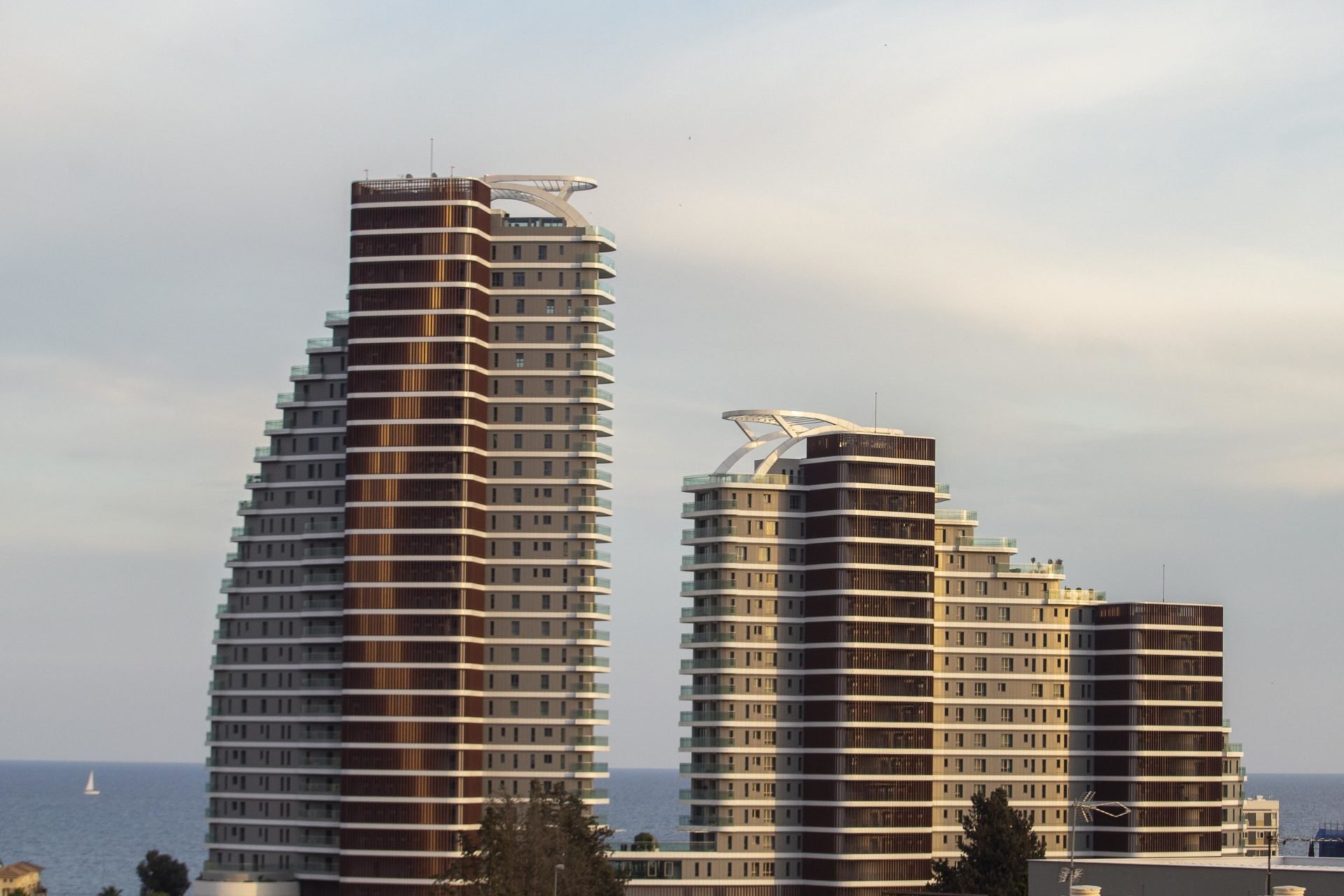
Regional differences across Cyprus are significant. Limassol recorded the highest apartment price index at 143 points in Q2 2025, representing a 93% increase over the past decade. The district has shown a consistent upward trend since 2019, following earlier declines from 2014 to 2017.
In Nicosia, the apartment price index stands at 97.4 points, still 2% below its 2010 peak. Larnaca recorded 113.6 points, up 101% over ten years, while Paphos reached 114.9 points, nearly doubling with a 98.81% decade-long increase. Famagusta district showed more modest growth, with its index at 88.8 points, a 48.2% rise in ten years.
House prices have shown less dramatic increases than apartments, with the national house price index at 92.7 points, up 24% over the decade. Paphos leads with a house price index of 106.5 points (up 33.12% in ten years), while Nicosia recorded the smallest increase at 79.7 points, just 5.54% higher than a decade ago.
The trend aligns with broader European patterns, with Eurostat reporting an average 5.1% annual increase in housing prices across the eurozone and 5.4% across the European Union in Q2 2025.
Portugal led with the highest annual increase at 17.2%, followed by Bulgaria (15.5%) and Hungary (15.1%). Finland was the only EU country to record a decline (-1.3%).
Read more:

