


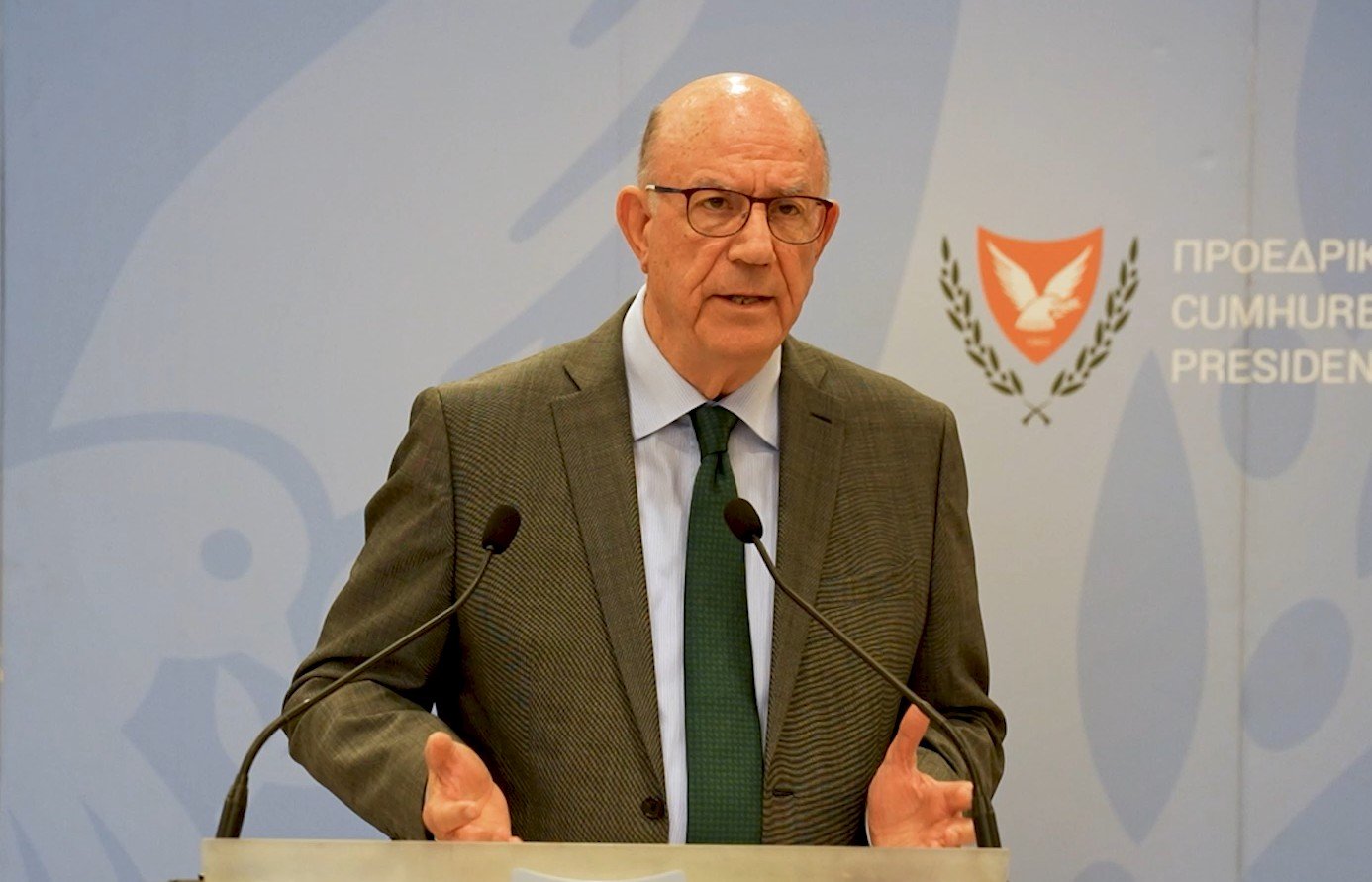
A proposal to extend the reduction in motor fuel tax rates, possibly until March 2027, will go before the Cabinet, Finance Minister Makis Keravnos said on Wednesday. The current measure expires at the end of November.
The government is also awaiting a response from the European Commission’s energy and taxation departments on its request for a further cut in excise duty on heating oil, Keravnos told reporters after a Cabinet meeting. He said he foresaw a positive approach from communications so far, and that the government would keep making its case until it secured the treatment it believes the Cypriot economy deserves.
Keravnos leaves on Sunday for meetings of the Eurogroup and ECOFIN, where the issues will be discussed again. An economy that generates surpluses, reduces public debt and is growing at around 3 per cent cannot be subjected to blanket restrictions that ignore its performance and particular circumstances, he argued.
Inflation
The government is constantly considering additional support measures as it monitors the pressure of high prices on households and businesses, the minister said. He described the energy crisis as global and Europe-wide, with energy costs pushing up production, operating and living costs across almost every part of the economy, and warned that inflation was expected to trend upwards.
He welcomed the latest decision by the European Central Bank, under its president Christine Lagarde, not to raise interest rates further, adding that the government monitors developments daily and is assessing which groups may need more support.
Revenue and surpluses
Keravnos expressed satisfaction with the fiscal surplus figures released on Tuesday, attributing the economy’s resilience to what he called the government’s prudent, preventive and responsible economic policy. He said he hoped things had not “reached the point where the government is criticised” for maintaining a successful economic policy and an economy that is performing well.
He rejected suggestions linking higher public revenue to inflation, citing VAT cuts on basic goods, electricity and other areas affecting the cost of living. Rising consumption, which depends on disposable income, boosts VAT revenue without necessarily meaning a heavier tax burden, he argued, and the government aims to use its surpluses to strengthen disposable income, particularly for vulnerable households.
Fiscal policy helps keep Cyprus’s investment-grade rating and leaves room to meet unforeseen needs, Keravnos said, citing spending on foot-and-mouth disease and the Limassol fires that ran to several million euros and had not been budgeted for. Lower debt also allows the Republic to borrow on international markets when needed without breaching EU fiscal rules, he added.
Development projects
Responding to reports of cuts in development spending, Keravnos said there was a time lag in carrying out certain projects, not a change in priorities. Some projects inherited by the current government face serious and complex problems that are being systematically addressed, he said.
The state budget remains focused on growth and social support, with 23 per cent going on social policy, a share the minister said had not been recorded in any previous budget.

