


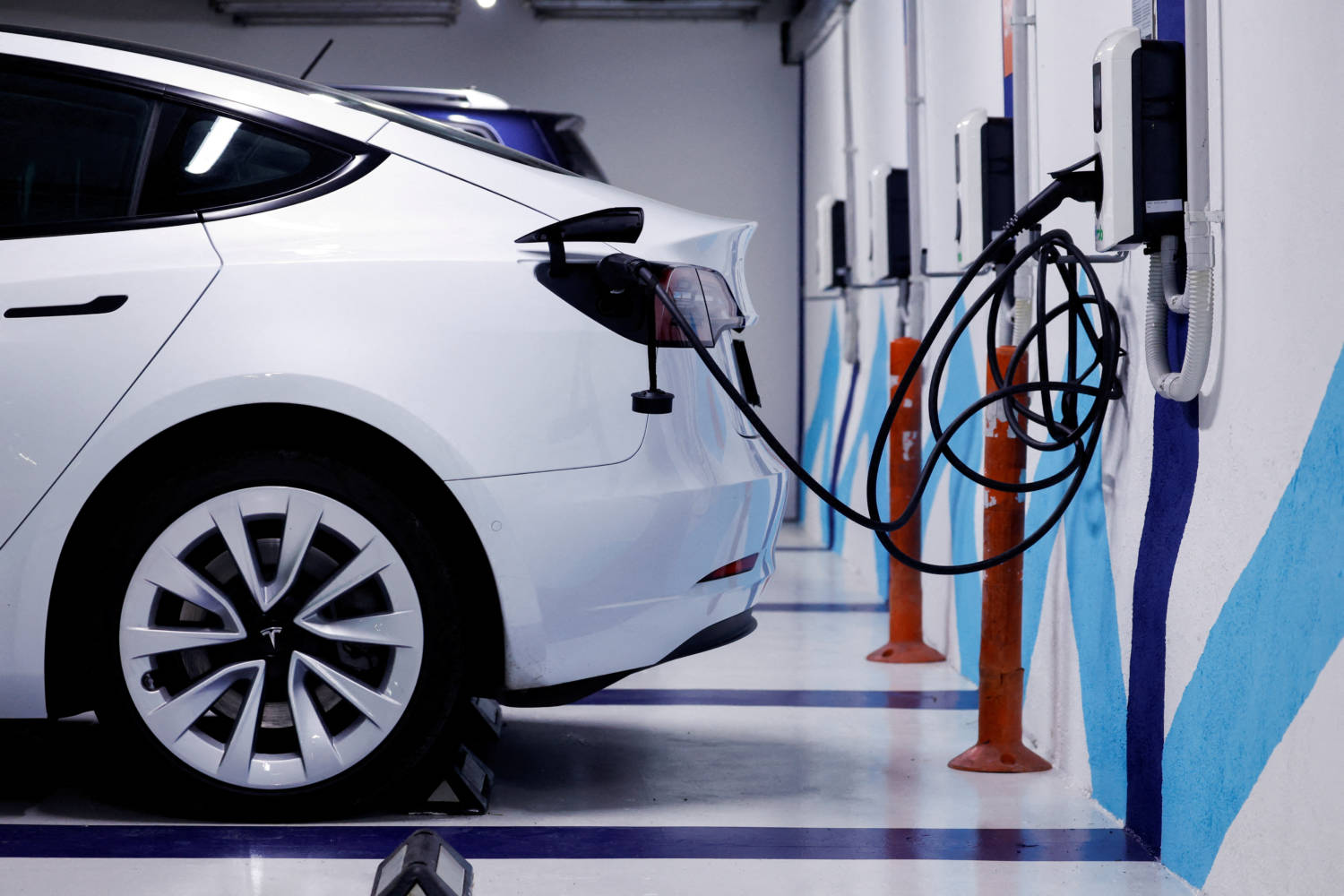
Cyprus’ transition to electric vehicles faces challenges despite being a priority for reducing emissions, Transport Minister Alexis Vafeades said.
Speaking before the House, Vafeades said that while electromobility remains a key objective under the national climate plan, the target of introducing 85,000 electric vehicles “is unlikely to be achievable”. He emphasised that emissions reduction goals could be met through alternative means.
“Electric vehicles remain expensive”, the minister said, noting that while the European Commission had expected prices to decrease substantially by 2026-2027, making them accessible to middle-class and vulnerable citizens, current data and projections suggest otherwise.
Vafeades revealed discussions with his German counterpart highlighting broader European concerns: “Major manufacturing countries like Germany are taking a very cautious approach to electromobility, particularly regarding commercial vehicles”. He cited that while German industry has the capacity to produce 2,800 electric trucks by 2030, there are “serious doubts about implementation due to charging infrastructure requirements on highways”.
Despite these challenges, the minister pointed to potential advantages for Cyprus, particularly through solar power integration: “Our promotion of photovoltaics for all citizens, combined with shorter travel distances compared to other countries, could make private electric vehicles a key tool in achieving our goals”. He explained that home charging through solar panels could provide low-cost daily use without requiring additional charging.
The government has approved €53 million in subsidies to be implemented in two phases from 2022 to 2025, aiming to support:
- Purchase of 5,800 electric vehicles, motorcycles and e-bikes
- Withdrawal of 1,950 old high-emission vehicles
- Replacement with low-emission vehicles (under 50g CO2/km)
- Incentives for alternative transport methods
While home solar installation costs around €5,000-€6,000, the minister suggested that available incentives would help manage overall costs, though exact charging cost measurements are not yet available.
Read more:

