


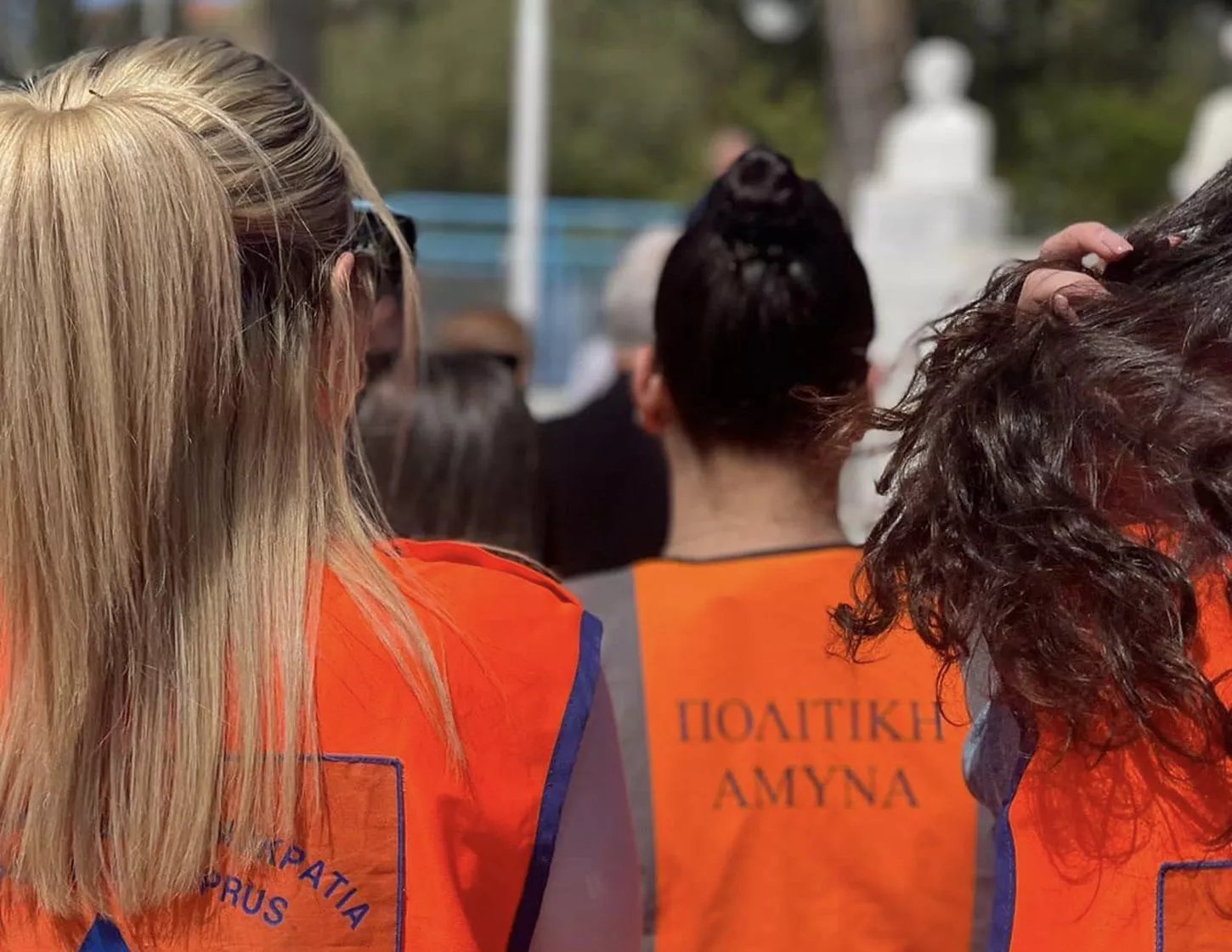
Cyprus’s Civil Defence has urged households to keep an emergency backpack ready and enough supplies to cope on their own for at least 72 hours, in line with an EU recommendation.
“Preparedness can become part of our daily lives through simple actions,” Civil Defence spokeswoman Hara Lazarou said.
She said the service had long advised people to keep a backpack ready so they could take the essentials with them if they had to leave home quickly.
Lazarou described 72 hours as a practical minimum. In the first days after a serious incident, access to drinking water, food or other basic services may be difficult, while emergency services give priority to protecting life and helping those in immediate need, she said. Supplies at home help a household meet its immediate needs even if a disruption lasts only a few hours.
So far, Civil Defence has focused on the backpack and on family emergency plans. Its next step is a guide with practical advice on how households can organise supplies for at least 72 hours and prepare for a possible disruption of basic services, Lazarou said.
What goes in the backpack
The backpack should be light, ready and kept near the exit, she said. It is meant for situations such as an evacuation ordered because of a fire or flood, or having to leave a home damaged in an earthquake, and should cover the period from leaving until reaching a safe place.
According to Civil Defence, it should contain:
- drinking water
- some long-life food that needs no cooking
- essential personal medicines
- a small first aid kit
- a torch
- a portable radio and spare batteries
- a charging cable and a charged power bank for a mobile phone
- copies of key documents
- some cash
- basic hygiene items
The contents should be adapted to each person, for example with nappies and baby food or items for people who need support, but the bag should stay light and easy to carry, Lazarou said.
Every household member who can carry a backpack should have their own, she said, and families should agree in advance who will carry the items needed by a young child or anyone unable to carry a bag.
Staying at home and being prepared
For staying at home, households need drinking water and long-life food for all members for at least 72 hours, Lazarou said. In any incident, people should follow the authorities’ instructions on whether to stay put or leave.
She said preparedness meant learning which risks people may face in their area, knowing where to find official guidance, and agreeing in advance how family members will contact each other if they are in different places and who will help a child or relative who needs support.
No panic buying
Recent talk of a global blackout, together with the European Commission’s recommendation of a 72-hour survival kit, has not affected consumers, according to market sources.
Marios Antoniou, general secretary of the Pancyprian Retail Trade Association, said there had been no panic buying, since there was no specific instruction at national level. He said retailers had noticed no change in consumer behaviour and the market was moving at a normal pace. “Business as usual,” he said.
Andreas Hadjiadamou, executive secretary of the Pancyprian Supermarkets Association (PASYPE), said survival kits were available and might be sold by some shops. He said some people, because of their temperament, character or mindset, rush to stock up whenever they hear of a possible crisis, but they are a minority and there has been no general trend towards buying long-life products.
(Information from Cyprus News Agency)

