


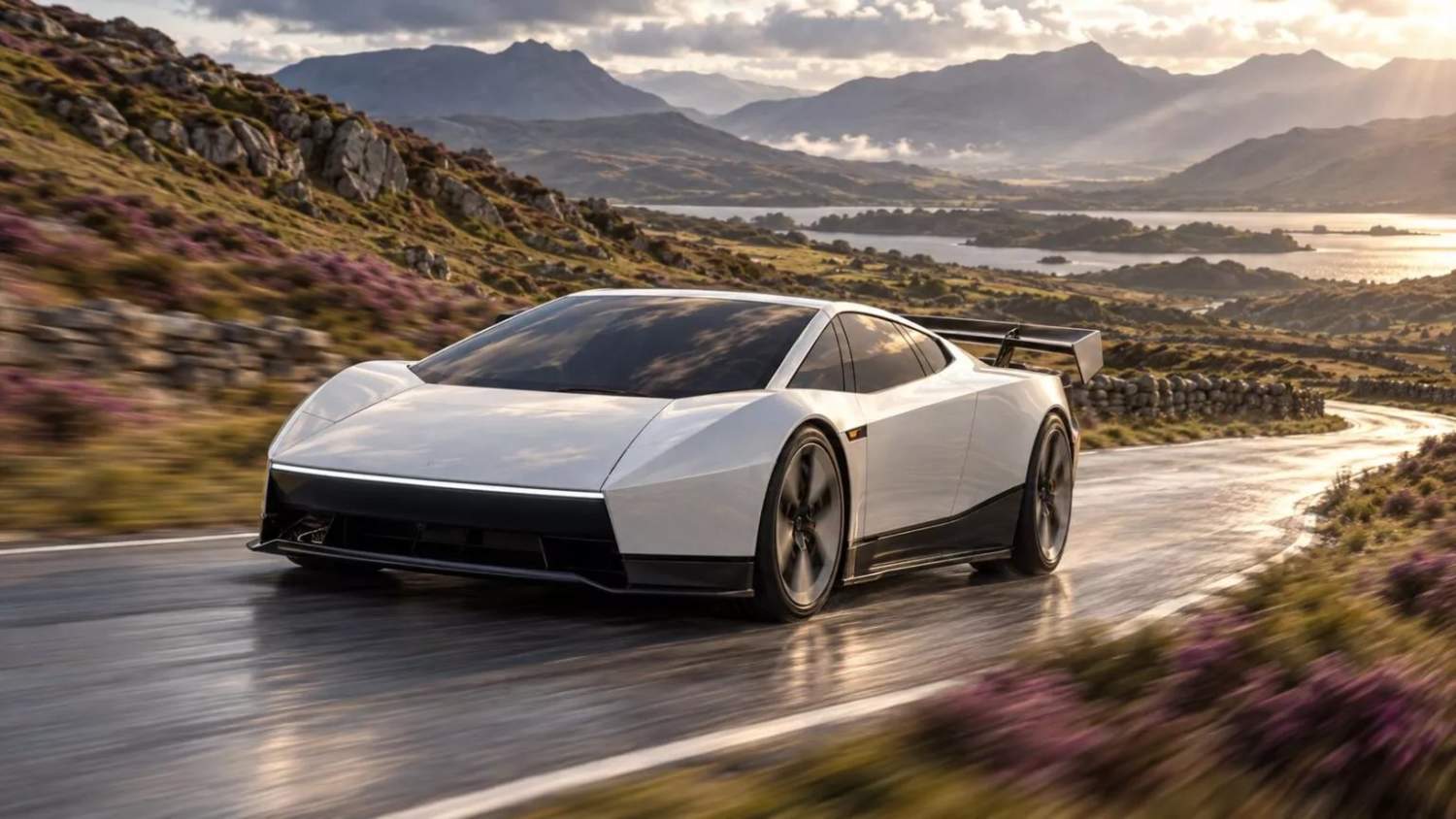
Motoring history has been made. Tesla and SpaceX have unveiled flying vehicles.
It is straight out of a sci-fi film. Elon Musk’s electric supercar, the Roadster, can lift off the ground, spin in mid-air and drive upside down. It also goes from a standstill to 97 kilometres per hour in less than a second: 0.81, to be exact.
The car stole the show and dominated the conversation. We are living in the future, although flying cars, as the 1980s pictured them, are 26 years late. Back then, people expected them by the turn of the millennium.
Of course, this is a remarkable technological feat. Humankind keeps smashing through limits once thought unbreakable. But there is an inconvenient footnote. We are teaching cars to fly while millions of people are struggling to stand on their own two feet.
Poverty is ravaging countries, even whole continents. Energy insecurity threatens households, wars are destroying lives, and access to basic necessities is sometimes anything but a given.
We can launch a car into the air and watch it do tricks, yet we cannot guarantee a decent life for everyone.
We live with one foot in a bubble of the future. Inside it, advanced technology and futuristic gizmos rule the roost. Artificial intelligence is racing ahead, people are driving flying cars and humanity is moving to the Moon.
Step outside that bubble, though, and people are dreading their next electricity bill. They watch their homes shrink while their rents climb. Food costs more and more, and often there is not enough to go round, while even getting from A to B has become unbearable.
The biggest challenge, without a doubt, is not beating gravity. It is beating social inequality.
Now that really would be a revolution.

