


Food prices in the euro area are expected to start rising faster again in 2027, driven by higher energy costs and extreme weather, the European Central Bank warned in an analysis published on Tuesday, which said the recent slowdown in food inflation was temporary.
Euro area food inflation eased to an average of 1.3 per cent in September, according to the analysis. In Cyprus, inflation for food and non-alcoholic beverages stood at 3.56 per cent.
The analysis, ‘Has food inflation lost its bite?’, written by four ECB economists, said uncertainty over the outlook remained and pointed to two major threats to the supply chain.
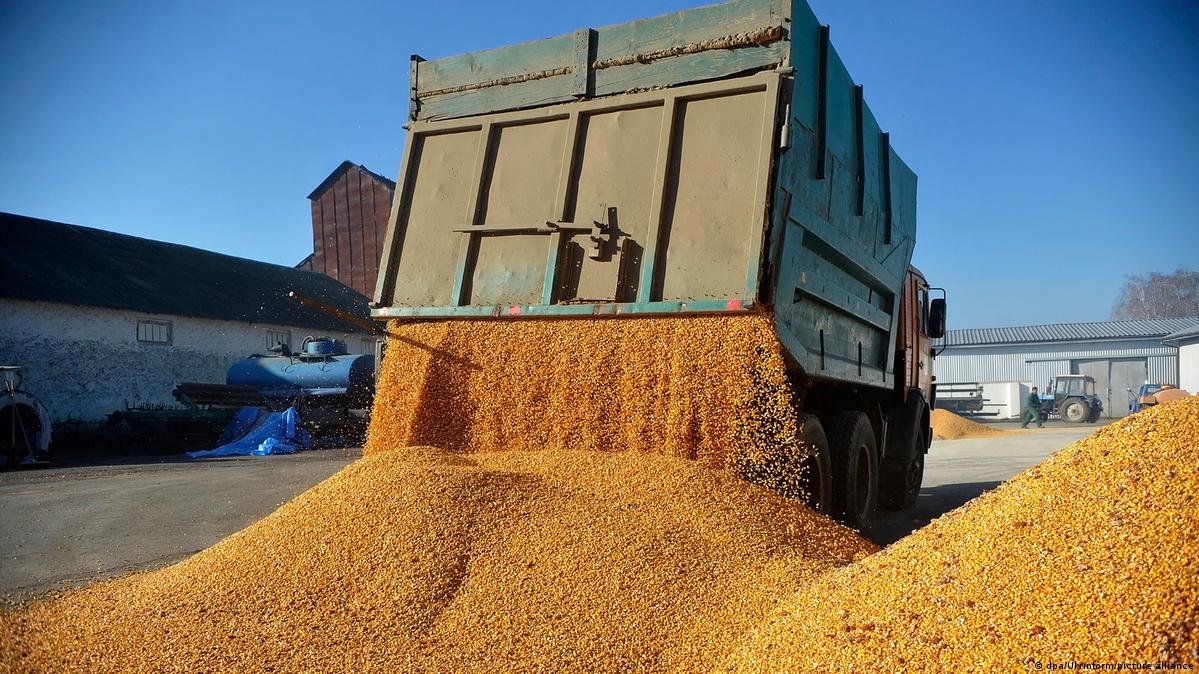
Since the disruption in the Strait of Hormuz, fuel and fertiliser prices have risen sharply. Higher costs for production, packaging and transport take a few months to feed through to the market, but are expected to hit energy-intensive products such as wheat, maize, bread and pasta first, and then meat and dairy products through animal feed.
The prolonged heatwave and severe drought in the summer of 2026 also destroyed large areas of farmland in Europe, the analysis said. The damage was already showing in September, when inflation for unprocessed food, such as fresh vegetables, jumped to 4 per cent.
Because people buy food often, food prices strongly shape how inflation is perceived, which is why the prices of bread, milk and chocolate matter for monetary policy, the economists said.
Official figures and everyday experience
The analysis tries to explain the gap between official statistics and what people experience day to day. Headline inflation in the euro area rose to 3.8 per cent in September 2026, as energy prices jumped 18.9 per cent because of the conflicts in the Middle East. Food inflation, by contrast, fell to 1.1 per cent in August, before edging up to 1.3 per cent in September.
The economists said slower food inflation did not mean food had become cheaper, only that prices were rising more slowly. The temporary slowdown was mainly due to good harvests in Europe last year and lower international prices for goods such as coffee, cocoa and dairy.
Food prices in the euro area are now on average 30 per cent higher than at the end of 2021, the analysis said. The rise ranges from 24 per cent in Finland to 48 per cent in Estonia.
Nominal wages have risen enough to keep pace with overall inflation, but households’ purchasing power at the supermarket remains significantly lower, the economists said.
They noted that in a Eurobarometer survey published on September 22, 2026, 55 per cent of Europeans said keeping food prices at reasonable levels should be the European Union’s top priority.

