


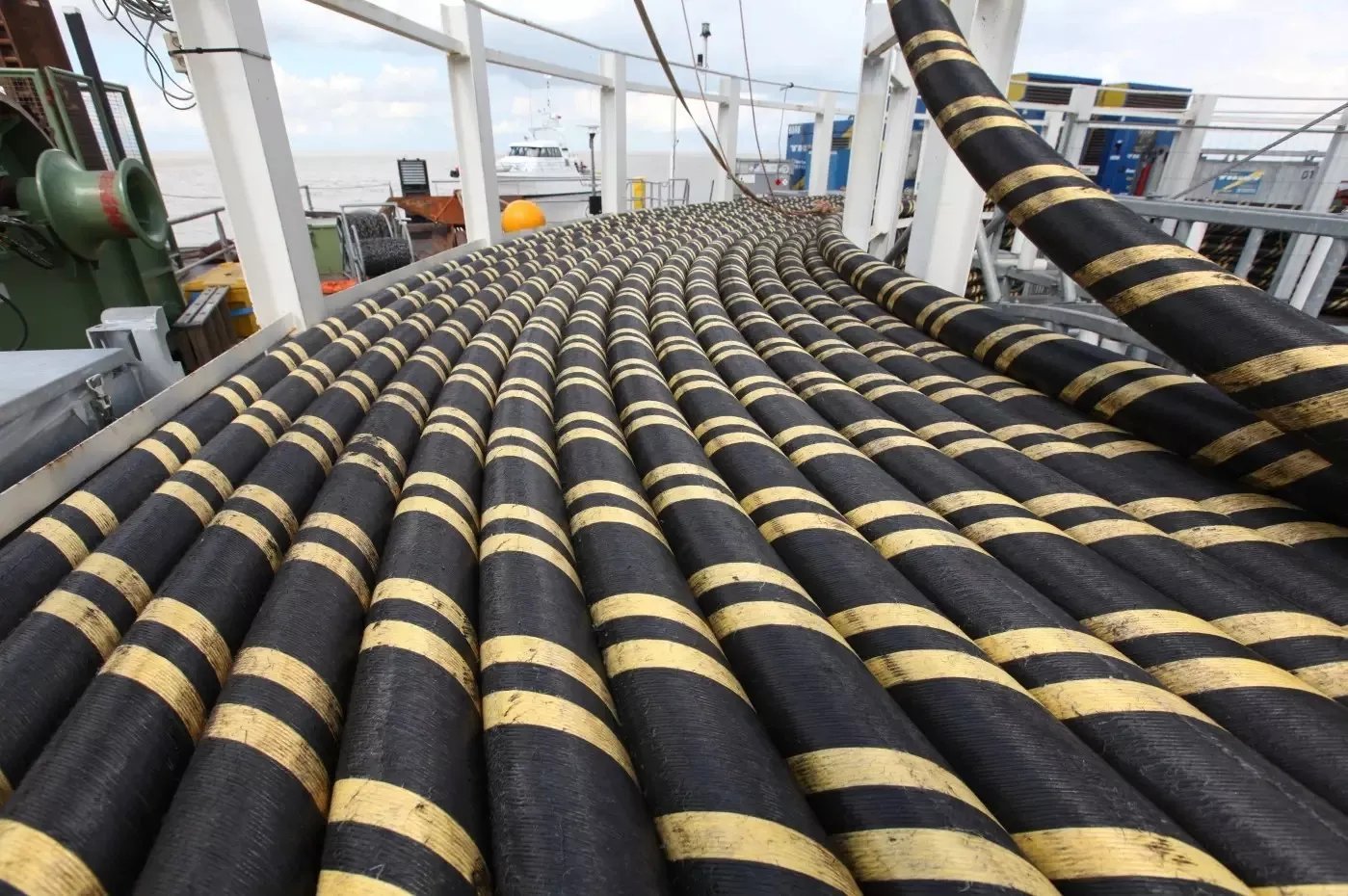
More than half the subsea cable needed for the Great Sea Interconnector (GSI) linking Cyprus and Greece has been manufactured, with 510 of the 900 kilometres required for the Cyprus-Crete link now complete. The figures come from the latest progress report received by the Cyprus Energy Regulatory Authority (CERA) from Greece’s Independent Power Transmission Operator (IPTO), which is implementing the project.
According to the report, 280 kilometres of cable have been made, along with another 232 kilometres for use at greater depths. The deep-water cable has undergone sea trials off Sicily, CERA chairman Polyvios Lemonaris told parliament’s energy committee on Tuesday.
Marine surveys have been completed for 60 per cent of the route, while 40 per cent, in the area that Turkey objects to, is still pending, Lemonaris said. The surveys have cost 45 million euros so far.
The project will cost more than 1.9 billion euros, he said, adding that the final total was an unknown. The 657 million euros of EU funding will be deducted from that figure. Of the remainder, 37 per cent, or 440 million euros, will fall to consumers in Greece and 63 per cent, or 749 million euros, to consumers in Cyprus. Operating costs, currently 2 million euros a year, will rise to 15.5 million euros a year once the project is complete.
CERA has recognised 82 million euros of spending by IPTO, including 25 million euros the state will pay once a navtex is issued for seabed surveys. IPTO has applied for future payment of a further 302 million euros, which it says it has already spent on the project.
Under a decision by the two countries’ regulators, IPTO will receive a guaranteed return on capital of 8.3 per cent for 17 years, followed by 4.6 per cent for another 17 years.
CERA has received a letter from Nexans, through IPTO, giving notice that completion of the project will be delayed by a year to January 1, 2031.
The Cypriot and Greek regulators are still waiting for a reply from IPTO to a letter they sent in August about the acquisition of 66 per cent of GSI’s shares by the French company Meridiam.
Read more:

