



Cyprus must move faster to counter distorted perceptions abroad after the drone strike on Akrotiri left some foreign audiences thinking the island was a “war zone”, speakers told the Cyprus Diaspora Forum in Limassol.
The warning came during the panel “Marketing and branding: a stronger global identity”, held on May 7, 2026, at the Amara Hotel, where speakers said Cyprus’ image can quickly be shaped by headlines on international media when the country does not project a clear message of its own.
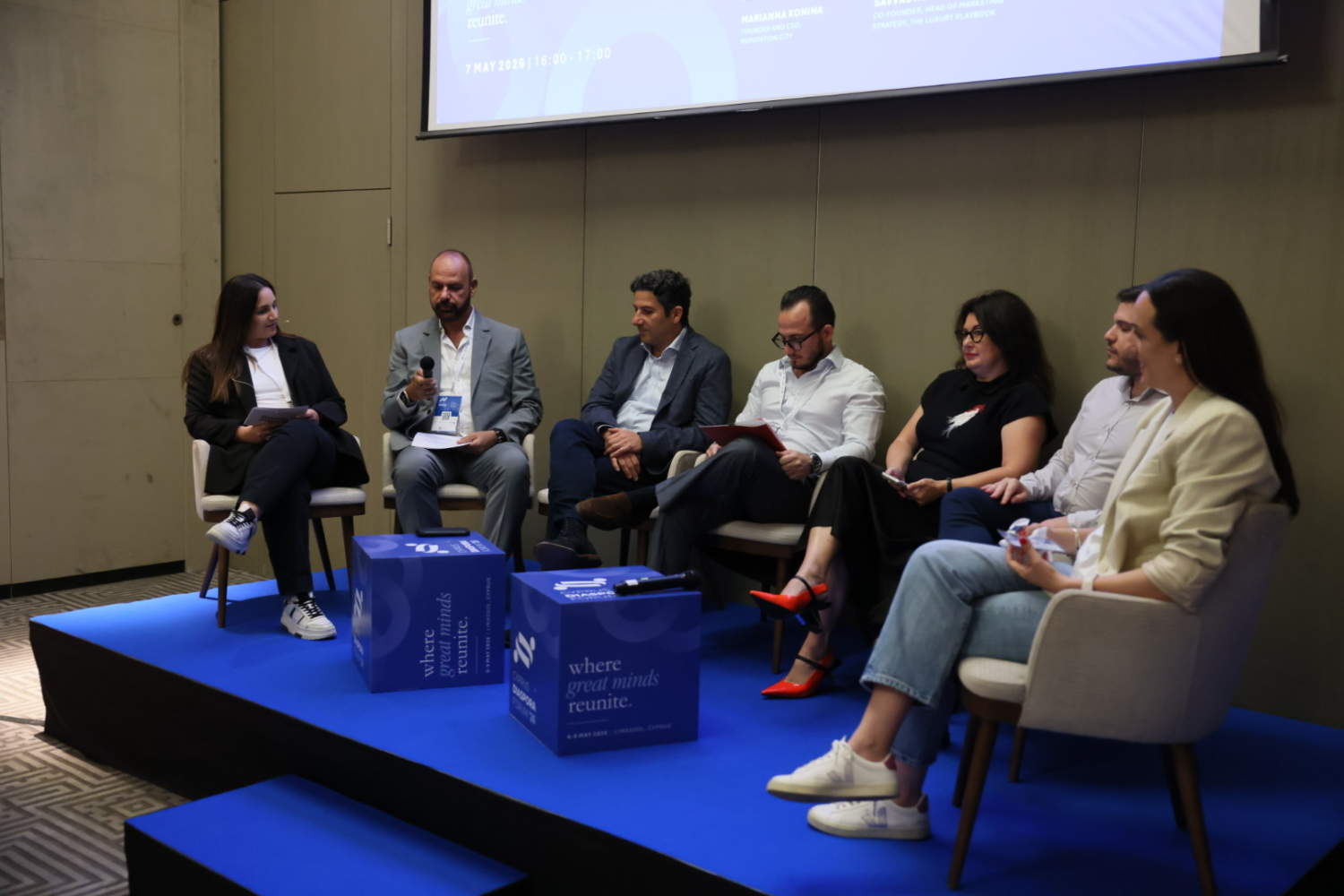
Changing the “war zone” perception
Savvas Agathangelou, co-founder and head of marketing strategy at The Luxury Playbook, said Cyprus was still not communicating strongly enough to international audiences.
“I arrived from Barcelona five, six days ago, and I can confidently tell you that in Barcelona, everybody thinks I’m travelling to a war zone,” Agathangelou said. “The message is fragmented,” he added.
He said Cyprus does advertise abroad, but not at the scale required to shape global perceptions. “It’s probably 1% of what we should be doing at this stage,” he said.
Stavriana Nathanail, CMO of Digital Tree, said she had seen the same problem through reactions from friends in Greece.
“My friends in Greece, they thought that there was a war happening here,” she said, referring to the way continuous foreign coverage after the war started affected perceptions of Cyprus.
She said people abroad believed Cyprus was facing an extreme situation, while daily life on the island continued normally. Nathanail stressed that Cyprus needed to become more active in shaping how it is presented by foreign media. “We need to find a way to control the narrative,” she said.
Agis Charalambous, senior associate at Michael Kyprianou & Co LLC, said the first step was for Cyprus itself to believe and communicate that it remains safe.
“We need to first convince ourselves that here is a safe place,” he said.
The role of trusted media
John Antoniades, chief operating officer of Phileleftheros Media Group, said the problem underlined the need for a clearer national narrative, carried by institutions, media, business and the diaspora.
He said Cyprus needed a “nuclear narrative” from the country’s leadership, supported by “four or five pillars of communication around the identity”. Such a narrative, he said, could help Cyprus avoid being defined only by external events or fragmented coverage abroad.
Antoniades said trusted media had a central role in that effort, particularly in an age of disinformation, misinformation and fake news.
He said traditional media must protect verified reporting, multiple sourcing and investigative journalism, while also adapting to the way younger audiences consume information.
Antoniades added that news organisations had to take journalism to social platforms, podcasts and other digital formats, while bringing in younger people who understand those channels better. “We’ll teach them how to tell the truth and be authentic and consistent, and they can teach us how to talk to young people,” he said.
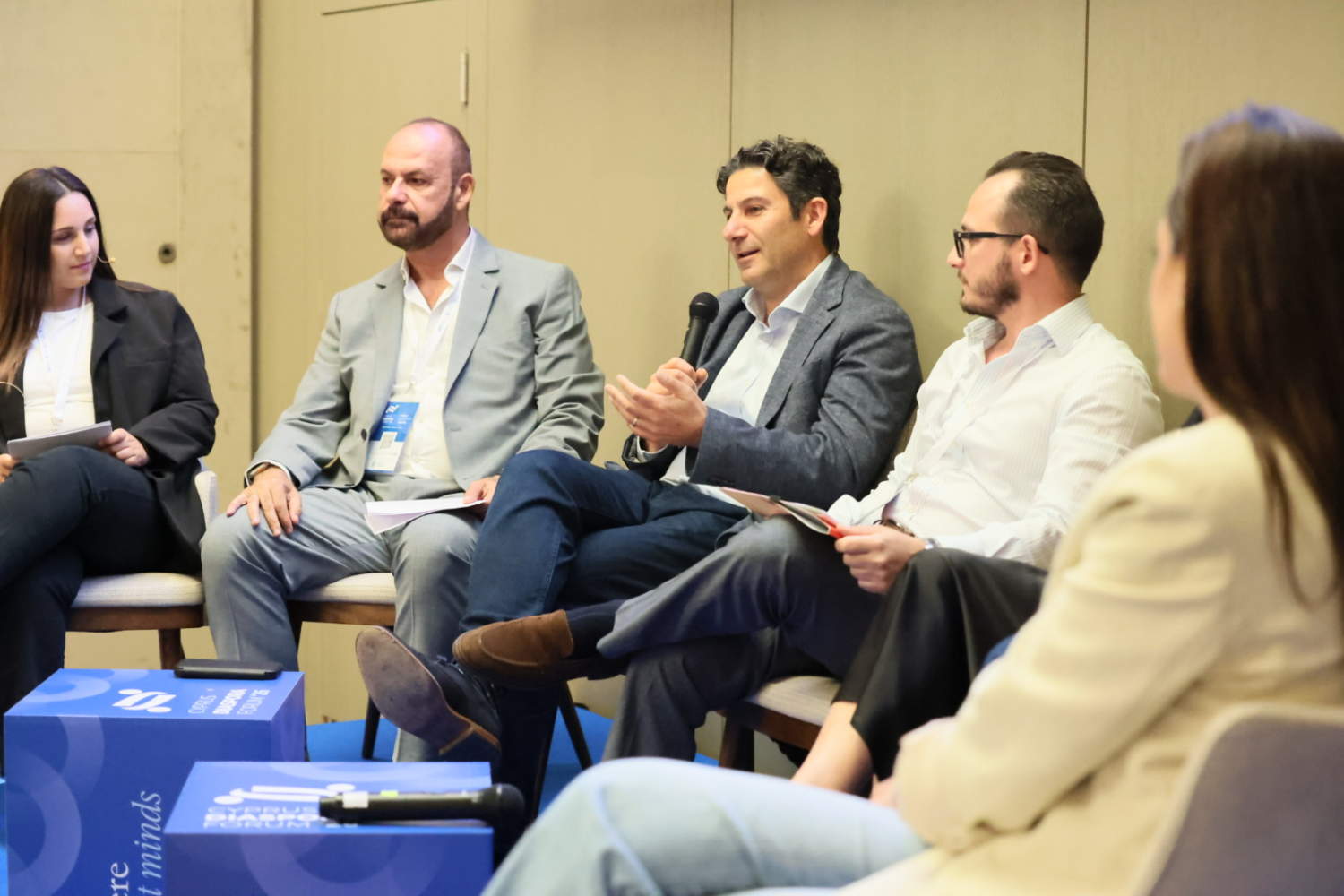
AI disrupts who controls the narrative
Agathangelou noted that the challenge now went beyond traditional media because artificial intelligence is increasingly shaping what people see when they search for information about countries.
He said AI systems draw from sources they trust, including media, content creators, YouTube and online forums, making international visibility critical.
“What we can do at this stage is utilise international media when it comes to international searches,” he said.
Agathangelou said Cyprus was not yet prominent enough in AI-driven answers about relocation or business.
“If someone goes, ‘Should I relocate to Cyprus?’ or ‘Where should I relocate my business?’, I can confidently tell you that Cyprus will not be the first country appearing,” he said.
He said other countries had invested heavily in international media visibility, helping them shape search and AI results. Cyprus, he said, had to act while it could still influence those systems.
“This is the moment that we can utilise international media and sources to actually influence this narrative,” he said.
He added that Cyprus already had strong stories to tell, but needed better channels to get them to the right audiences.
“I think we have the stories. What we need is distribution,” he said.
Read more:

