


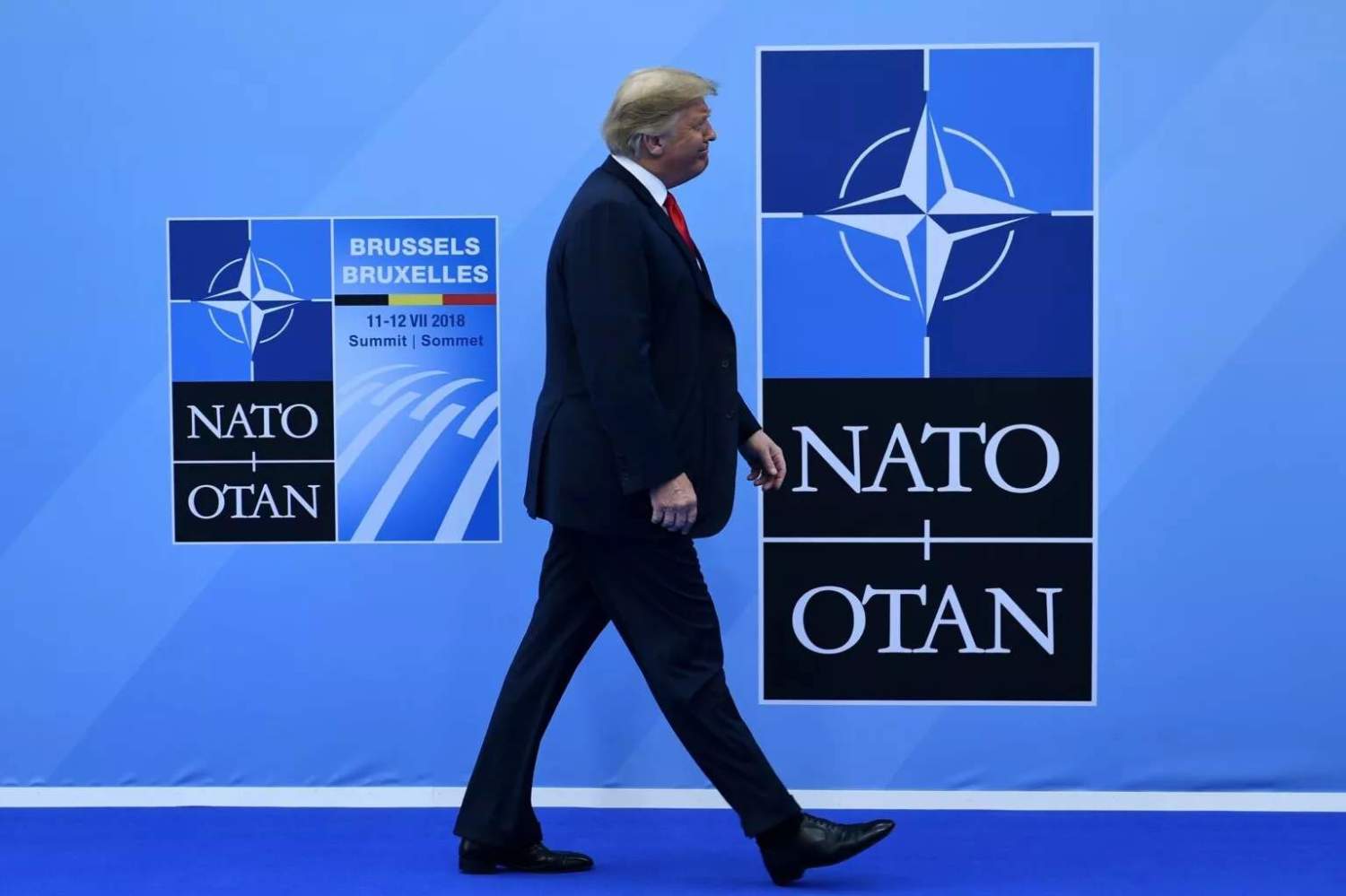
The idea of a NATO without the Americans — or a Europeanised version of the alliance — is not new. But lately, it has taken on a different weight. What was once confined to abstract debate is now edging into real-world planning within the alliance itself. A recent The Wall Street Journal report pointed to informal but sustained efforts by a group of European states preparing for a scenario in which the US presence is reduced — or less reliable.
This is not about breaking with the United States. It is, rather, a quiet admission that the assumptions underpinning the post-Cold War order can no longer be taken for granted. Germany’s shift — after years of resisting such discussions — has acted as a catalyst for a broader repositioning. The aim is not to replace the US, but to ensure operational continuity and credible deterrence.
The key issue here is not personalities or political statements, but NATO’s very structure. The alliance is not merely a political framework; it is a highly complex military system built almost entirely around American power. From supreme command to intelligence, satellite capabilities and nuclear deterrence, any meaningful European assumption of greater responsibility would take time — and come at a steep cost.
Seen through this lens, Europe’s pivot is not a story of emancipation, but one of risk management. Every step towards greater autonomy brings difficult choices: higher defence spending, public acceptance of that burden, and a prolonged transition during which capabilities will lag behind ambition. This is not a technical adjustment. It is a deeply political process.
For Cyprus, the debate carries particular weight. Although the Republic of Cyprus is not a NATO member, any reshaping of Europe’s security architecture directly affects its regional environment. A Europe seeking a greater role in its own defence will inevitably raise expectations for states in the eastern Mediterranean — especially in terms of strategic alignment, partnerships and contributions to stability frameworks.
At the same time, this discussion exposes the limits of a strategy built largely on internationalisation and third-party guarantees. In a global landscape where major powers are reassessing their commitments, realism, adaptability and deeper engagement with European frameworks become essential for Nicosia — in politics and diplomacy, but above all in defence.
The conclusion is not that NATO is on the brink of transformation. It is that Europe — and its periphery — is entering a phase where security can no longer be treated as a given. It is becoming a measurable political choice.
That transition will demand time, resources and political maturity. And its cost will be difficult for anyone to ignore.
In that context, Cyprus cannot afford to stand aside. Its geography, the evolving dynamics in the eastern Mediterranean and the Middle East, and its role within the European Union make it inevitable that its national strategy aligns with Europe’s emerging security choices.
Moving towards a more European approach does not negate existing partnerships. But it does require sharper institutional awareness, investment in diplomatic capital and a sober assessment of both capabilities and limits. Otherwise, Cyprus risks continuing to adapt after the fact to decisions that shape its strategic environment — without any meaningful say in them.

