


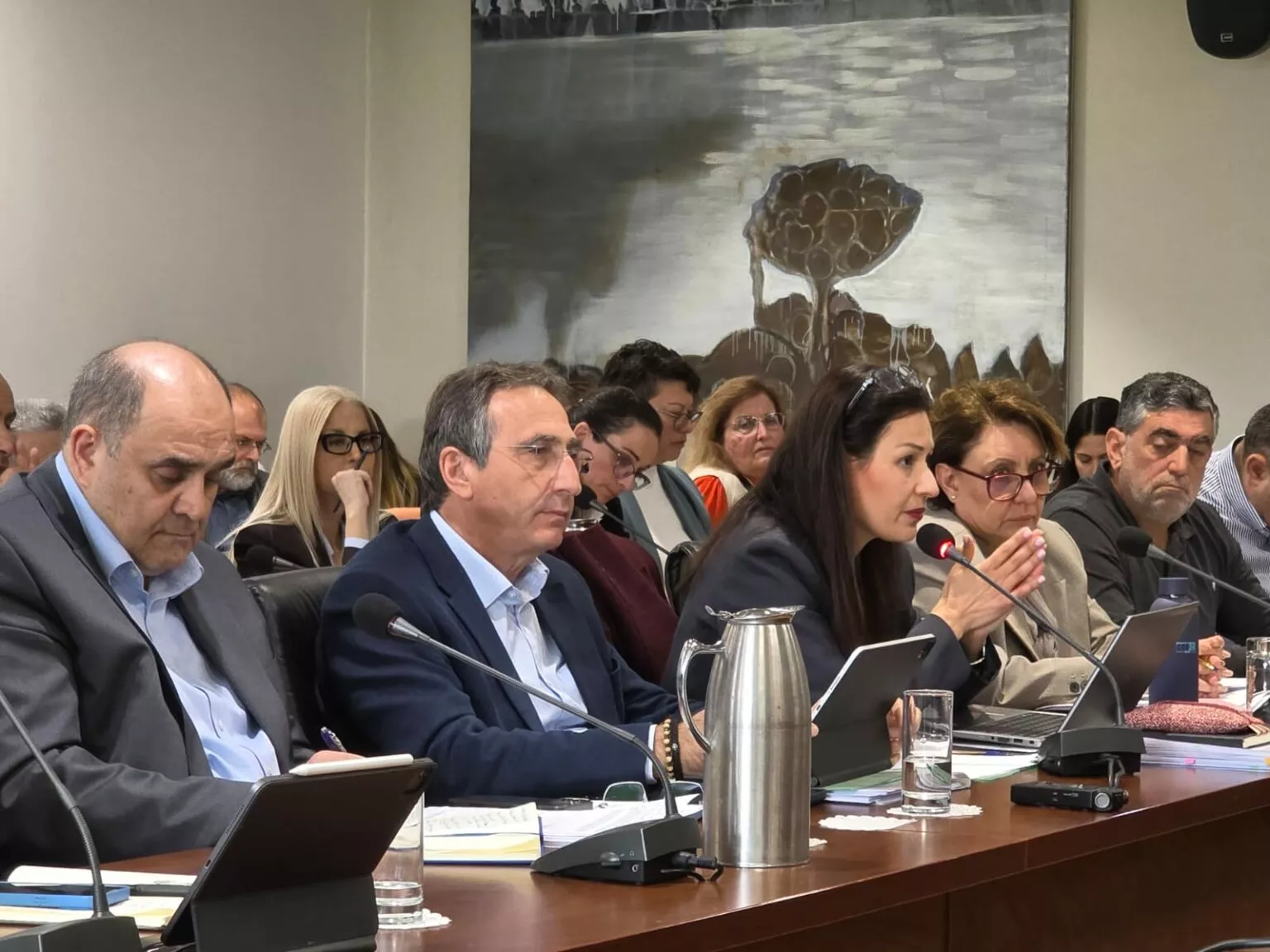
The Parliamentary Agriculture Committee session today became a hotbed of political tension, as lawmakers sharply criticized the government’s handling of the rapidly spreading foot-and-mouth disease outbreak, which has now affected 38 farms, following new cases in Dromolaxia.
MPs unleashed fierce criticism over “delayed responses,” while Agriculture Minister Maria Panayiotou outlined the government’s extensive operational plan.
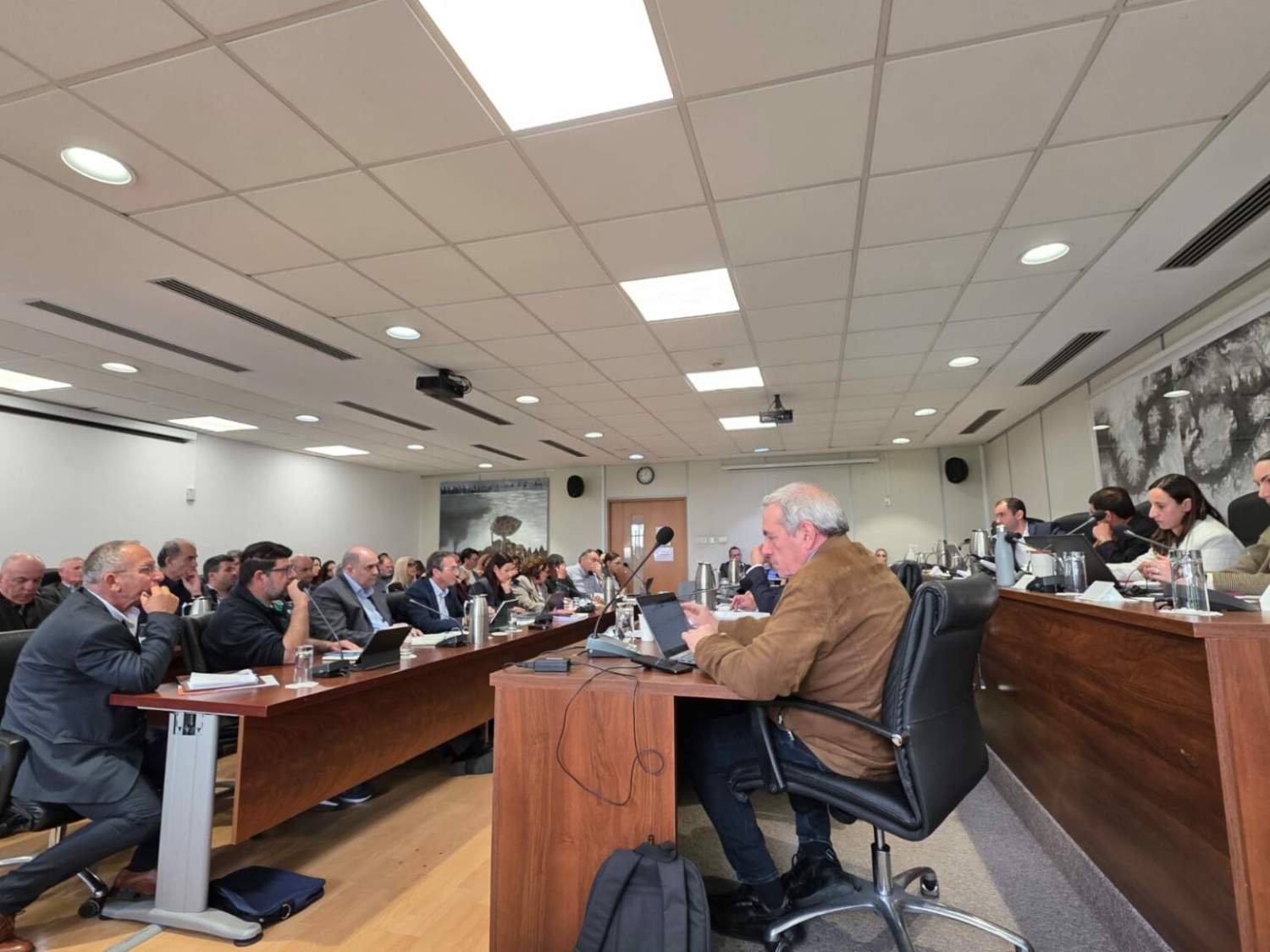
Committee Chairman Giannakis Gavriil accused the Ministry of “playing catch-up,” demanding explanations for the period of inaction between December 16 and February 20. He also questioned why culling had been prioritized, suggesting there were opportunities to deviate from European regulations.
Linos Papayiannis took an even stronger stance, calling the mass culling of animals “unthinkable” and warning of strong measures, including physically blocking the culling process at the farms if Brussels refuses alternative solutions.
Andreas Pasiourtides criticized what he called “hasty decisions,” questioning the culling of vaccinated animals and the appropriateness of burial versus incineration for animal disposal.
Christos Orphanides, speaking emotionally, referred to the culling as “murders” of animals and condemned the stance of the Turkish Cypriot side, expressing concerns about contamination of the water table.
MP Charalambos Pazaros highlighted the severe financial impact on farms worth tens of thousands of euros, calling for a freeze on loans and protection for halloumi exports. Similarly, George Karoullas criticized what he termed “piecemeal management,” leading to the sector’s collapse, and called for a comprehensive sustainability plan.
Maria Panayiotou: “We are exhausting every flexibility”
Minister Maria Panayiotou responded to the criticisms by emphasizing that the state shares the same concerns as the farmers. “There is no one who can bear the mass culling of animals that appear healthy,” she stated, while clarifying that the management of the outbreak is governed by strict EU protocols.
She added that the President of the Republic and herself are in constant communication with the European Commission President and DG Sante, seeking exemption from mass culling of asymptomatic animals, due to the unique nature of Cyprus as an island state.
Panayiotou revealed that 600,000 doses of vaccines had been secured, with 238,000 doses already administered (159,000 to sheep and goats, 79,000 to cattle), prioritizing high-risk zones.
Furthermore, she announced that compensation for income loss based on gross profit is underway, ensuring that farmers meet their obligations. The Department of Agriculture is also looking for disease-free areas to introduce new livestock.
She mentioned the coordination of 16 services and over 500 officials working around the clock.
Additionally, €700,000 has been allocated for the construction of 99 mobile bath units and 27 automated disinfection systems in livestock areas. She also referred to the imposition of area lockdowns (Aradippou, Leivadia, Oroklini, Dromolaxia), where entry is allowed only with special permits.
“Responsibility is paramount for everyone,” she concluded, noting that the government would not leave farmers to face the consequences of the crisis alone.
The status of livestock farms in the Pergamos area
The Veterinary Services are focusing their checks on the Pergamos area, as well as the broader zone of the British Bases and areas not controlled by the Republic, with heightened vigilance for foot-and-mouth disease. A key issue concerning the Parliamentary Agriculture Committee, cheesemakers, and producers is the licensing status of livestock farms and the possibility of double codes.
Veterinary official Apostolos Mazeris reassured concerns about dual identification of farms, stating that no farms in the Pergamos area hold both Republic of Cyprus and so-called Turkish Cypriot codes.
Currently, there are 11 livestock farms in the Pergamos area, he said, with 8 cattle farms and 3 sheep and goat farms. He explained that all of these farms carry exclusively Republic of Cyprus-issued codes and are part of official monitoring programs to ensure animal health.
Rural community’s cry for help – “No to culling, yes to vaccination”
Representatives from agricultural organizations, while cautiously optimistic after meeting with the President, warned of the complete collapse of the sector unless immediate and substantiated measures are taken.
Panikos Hambas, General Secretary of EKA, was harsh, calling for the immediate suspension of culling and the start of a nationwide vaccination campaign. He emphasized that halloumi, as a PDO product, depends on the special livestock of Cyprus, which must not be lost.
He expressed respect for the veterinary sector but called the advice given to the President a “shame,” accusing them of incorrectly stating that the cost of importing animals from abroad was €80 per head, while the actual cost could reach up to €500.
Tasos Giapanis, General Secretary of Panagrotikos, spoke of “light at the end of the tunnel” following the meeting at the Presidential Palace, noting that services had failed in their control and management. He set Friday as a milestone for proposals regarding the loss of profitability, not just income, and March 20 for determining the prices of mature livestock.
He urged for the avoidance of large gatherings to limit the spread of the virus.
Michalis Lytras, Honorary President of PEK, welcomed the adoption of proposals from the organizations by the President but emphasized the urgent need for the reconstruction of the livestock population. He called on the Ministry to immediately identify animals from countries without outbreaks to reactivate the affected farms.
He was particularly firm on the issue of the illegal transport of animals from the occupied areas, demanding the confiscation of property from those profiting at the expense of public health and the economy.

