


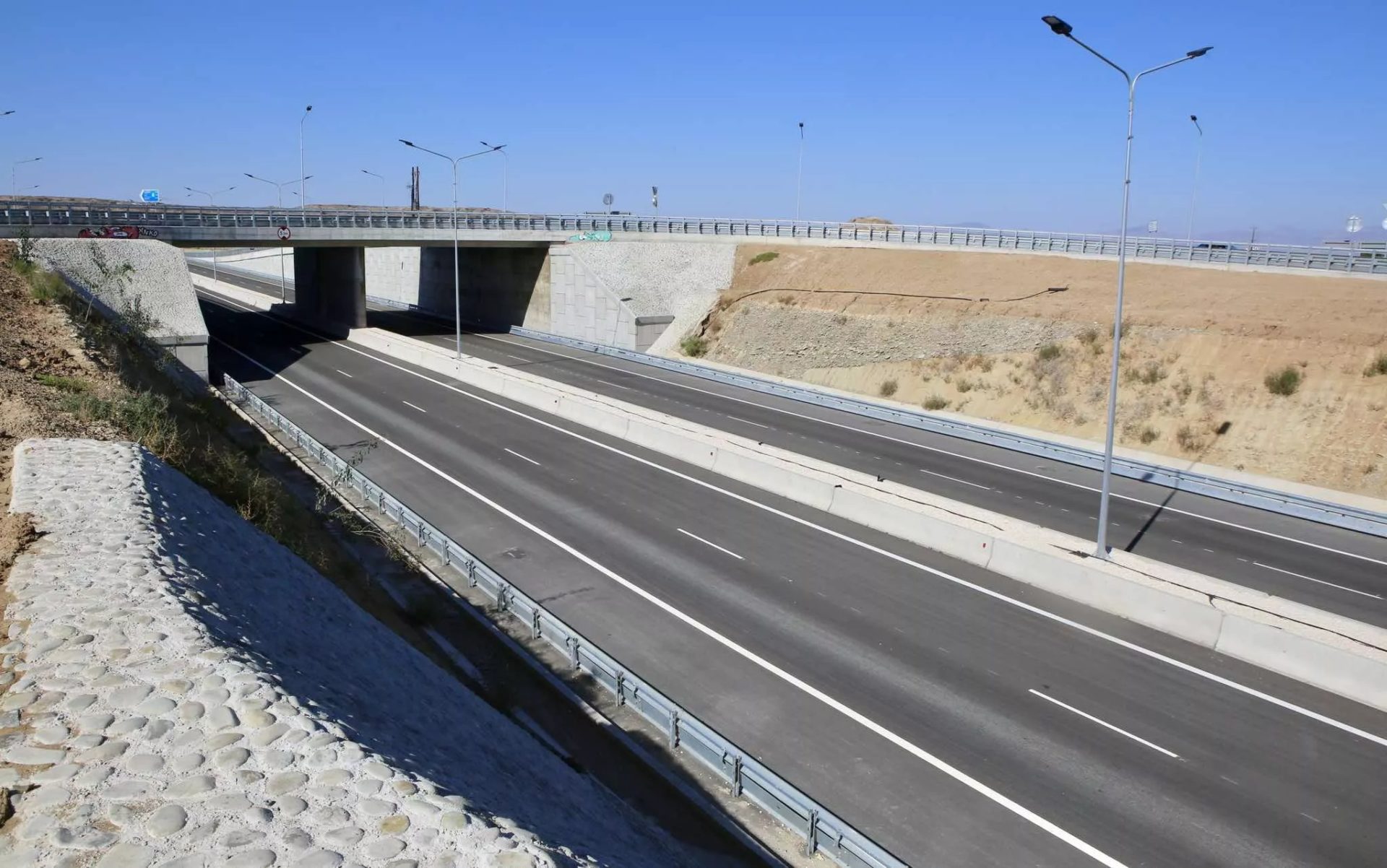
Phase B of the Nicosia Peripheral Highway will cost approximately €23 million per kilometre, with over half of the 5.7-kilometre route being constructed underground, dramatically increasing the project’s price tag.
The total cost for Phase B is estimated at €130 million, with 3.2 kilometres of the road passing through Lakatamia planned to be built five metres below ground level.
The planning of the Southern Peripheral Highway of Nicosia and its implementation progress is being discussed today before the parliamentary Transport Committee.
Phase B, which under normal circumstances should have followed Phase A, extends from the Lakatamia industrial zone (from the new junction created along Tseriou Avenue) to the Palaichori highway.
Some see ulterior motives in the decision to build Phase C before Phase B, while others suggest the complexity of Phase B and the risk of losing EU funding led to the choice to construct the next phase first.
The decision to build the road underground has provoked reactions and questions, as the route does not pass through mountains or other major natural obstacles that would objectively necessitate an underground solution.
Some residents of the municipality believed that properties belonging to well-known individuals and municipal officials would have been affected by the “normal” route, and these people allegedly pressured authorities to approve the underground option.
With this underground solution, instead of these properties being negatively impacted, they would be enhanced in value, as an urban road would be constructed above the underground highway, increasing property values.
If the road were not underground, these properties would be downgraded due to increased traffic, land expropriation requirements, and other factors.
An alternative explanation has also been offered. Proponents say Lakatamia already accommodates other primary roads and could not support another four-lane road.
The underground solution benefits many property owners, not just a few prominent individuals, and houses had already been built along the planned route, obstructing surface-level construction.
Due to various objections, the route of the Peripheral Highway has been changed three times.
Just last week, Phase C was announced, which will cover the first section of the Nicosia-Palaichori highway from Anthoupoli to Anagyia.
Highway project planned 35 years ago
The Nicosia Peripheral Highway, which extends from the Yeri area (in eastern Nicosia) to the Nicosia-Troodos highway (in the west), was planned in 1990. Construction began in 2020, with the first phase inaugurated on November 6, 2024, and the completion date remains uncertain.
According to former Transport Minister Yiannis Karousos, the construction cost was expected to reach €350 million, although with subsequent changes (materials, transportation) and the cost of expropriating private property, the final bill is expected to increase further. At that time, some estimated it would exceed €500 million.
In total, the Peripheral includes 16 grade-separated junctions connecting urban roads with the motorway network and is 32 kilometres long. Based on traffic studies, 16,000-40,000 vehicles per day are expected to use the Peripheral, while by 2027, daily traffic is estimated to range between 20,000-48,000 vehicles.
Three decades of delays and revised routes
As mentioned above, the Nicosia peripheral has been pending since 1990, when it was included in state planning. The project was expected to begin in 2008 and be completed in 2011, 14 years ago.
According to an earlier report by the Audit Office, in June 2000, the Cabinet approved an environmental and techno-economic study for the Peripheral based on a route proposed at that time.
In July 2002, due to objections from Latsia Municipality and the Community Councils of Tseri and Deftera, the Cabinet approved a second environmental and techno-economic study adopting a new (southern) route.
In February 2004, the Cabinet decided to commission a third study for a third (northern) route.
In September 2005, the Cabinet cancelled the southern route and approved the adoption of the northern route as more appropriate.
It further decided to tender for the preparation of the construction plans for the peripheral motorway as well as the environmental impact assessment. By June 2006, the Department had spent approximately €340,000 on conducting environmental and techno-economic studies.
In May 2007, the contract for the above study was signed for €1,965,000 with a completion date of May 2009.
In February 2010, a time extension of 132 weeks was approved for the completion of the study.
In June 2011, the Central Committee for Changes and Claims approved the granting of €439,482 to the consultant to settle financial claims due to changes made to the project study and the revision of submission timelines for interim reports.
According to earlier estimates, the completion of the Nicosia peripheral will reduce traffic on Troodos Avenue (now Spyros Kyprianou) by 40%.
The peripheral will primarily serve those coming from Palaichori, Pitsilia, Marathasa and Solia who wish to travel towards Limassol, Larnaca and Famagusta. It will also facilitate those coming from Aglantzia, Yeri and other areas who want to head towards Troodos.
Read more:

