


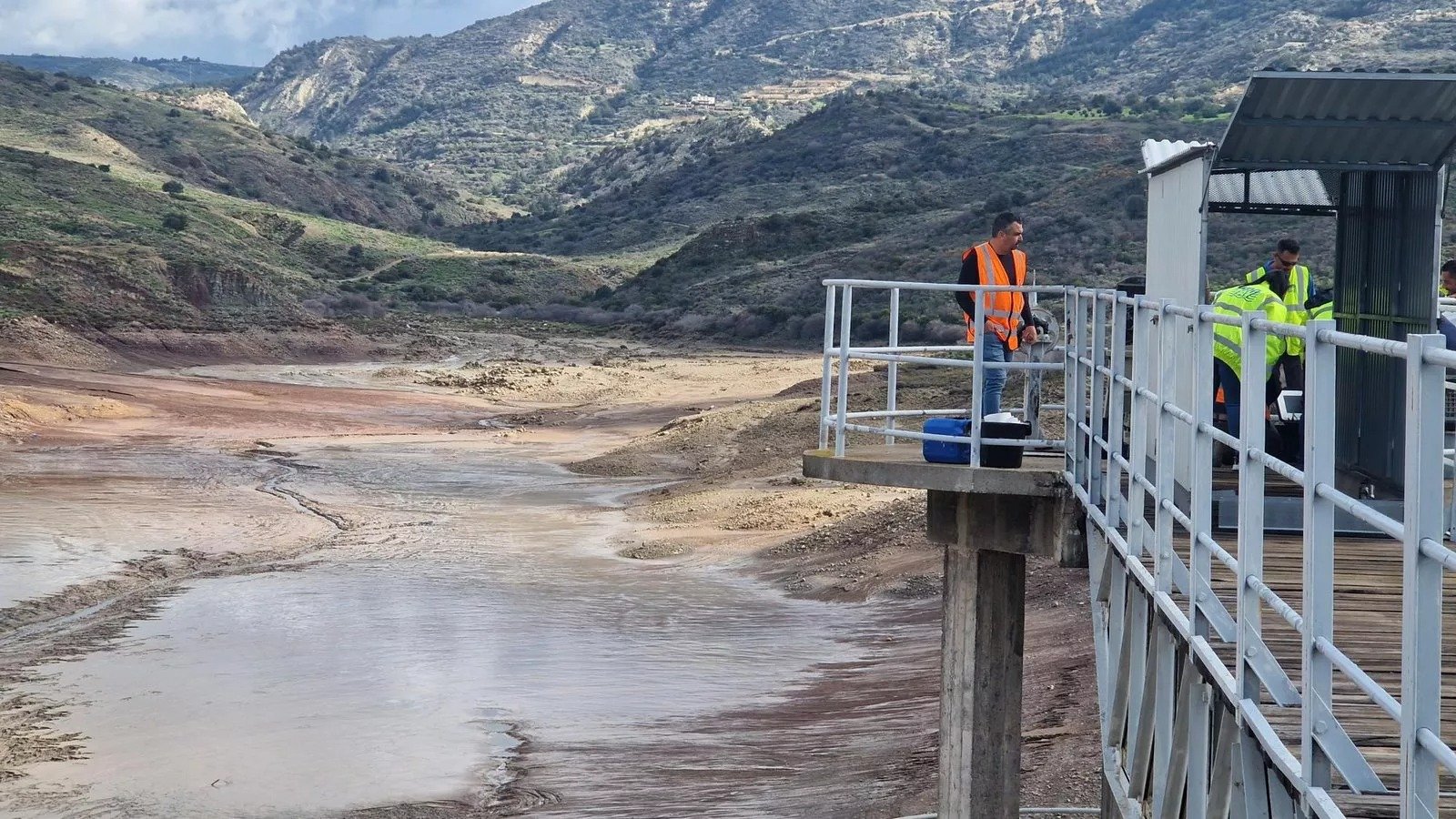
The state of Cyprus’ water resource management came under scrutiny at the Parliamentary Audit Committee, with findings and testimonies pointing to systemic delays, inefficiencies and lack of coordination.
Lawmakers and officials warned that water losses, waste, outdated infrastructure and delays in implementing projects threaten not only community welfare but also the island’s long-term survival.
The most stark warning came from the Larnaca District Local Government Organisation. Its president, Angelos Hadjicharalambous, said that in 2025, several municipalities and communities in the district are supplied with water by tankers due to severe shortages. He reported water losses of up to 40% and estimated that upgrading networks to acceptable loss levels below 20% would cost around €40 million. He announced network replacements in Oroklini and other municipalities, as well as the installation of 25,000 smart meters, but stressed that resources are insufficient to cover all necessary interventions.
Other district organisations also reported major deficiencies, though less dramatic. In Famagusta, losses reach 37%, with old pipelines needing replacement and new networks planned in Ayia Napa and Paralimni. In Limassol, water losses exceed 40% with reconstruction costs particularly high. In Nicosia, Constantinos Yiorkadjis, president of the Nicosia District Local Government Organisation, called for close cooperation with the Water Development Department. He referred to an 8–9 day water outage in Lakatamia due to pipeline mishandling, a €1.8 million investment in leak detection, and a plan for a unified stormwater network. He also stressed the need for flood control works and retention lakes in Engomi.
Yiorkadjis added that losses stem not only from infrastructure but also from failure to utilise treated wastewater and the lack of measures to reduce energy costs in water production.
Auditor General Andreas Papaconstantinou presented a report noting that despite recommendations dating back to 2016, little has changed. He warned that Cyprus faces severe drought pressures under climate change, with high costs from managing dams, desalination and agriculture.
Audit Office director Akis Kikas outlined further findings: the Water Council meets just once or twice annually; only 14 of 60 projects in the €1.5 billion 15-year plan have been completed; and monitoring of budgets is inadequate. Many dams lack safety certification, maintenance manuals or inundation maps. No major dam has undergone independent inspection, while around 15 private dams operate without certification.
Desalination plants, while covering drinking water needs, carry high production costs, energy consumption, emissions and environmental impacts from brine discharge. Groundwater sources are also in poor condition, with 64% of aquifers suffering from nitrate pollution and salinisation. Many boreholes are illegal or unlicensed, while pricing and monitoring remain inadequate.
The Audit Office concluded that most weaknesses identified nine years ago persist, calling for urgent action.
Lawmakers described water management as a national challenge. MP Christos Christofides said the issue was “one of the great national questions of survival”, warning that without drastic changes the island could face collapse. “Communities like Xyliatos complain they are deprived of water, while forest areas are destroyed in summer due to lack of humidity,” he said.
MP Savia Orphanidou called for a holistic approach to planning, citing agriculture’s vulnerability to hydrological pressures and delays in projects in Solea. Rita Superman highlighted lack of expertise and absence of operating manuals for key infrastructure.
Committee chair Zacharias Koulias accused political leaders of failing to grasp the seriousness of the problem. “Up to 35% of water is lost daily while dams and networks remain poorly maintained. No one seems to care,” he said.
Farmers’ representatives attributed the crisis to procrastination, indecision and impunity. They stressed that farmers “go hungry when water is unavailable for agriculture and livestock” and urged that Audit Office reports be made binding so the state takes corrective action and avoids scandals.
Read more:

