


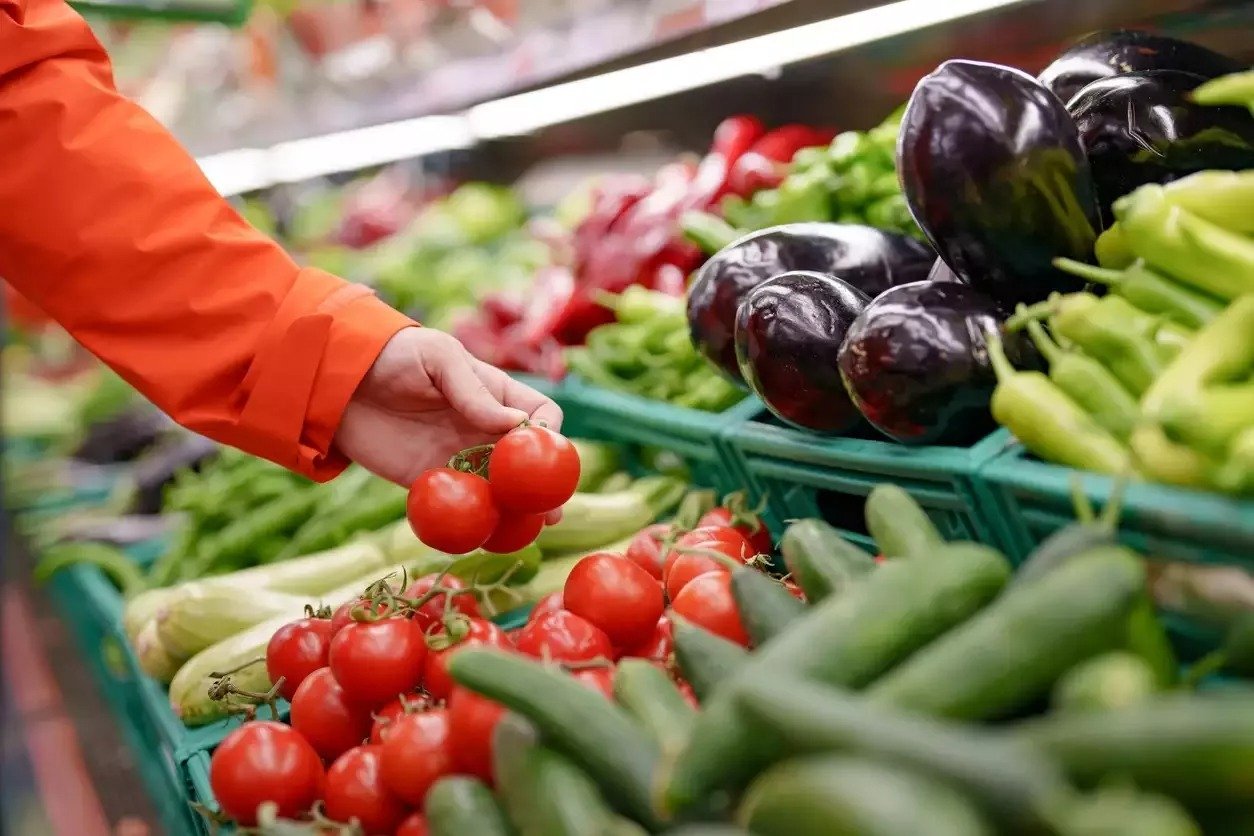
Food prices across the eurozone have increased between 20% and 57% since late 2019, with Cyprus recording the lowest rise and Estonia the highest, according to analysis published by European Central Bank staff last week.
The sharp increases have left one in three consumers worried about affording the food they want, despite overall inflation falling from a peak of 10.6% in October 2022 to 2.0% recently, ECB staff members Elena Bobeica, Gerrit Koester and Christiane Nickel wrote in a blog post.
“When people go to a supermarket, many of them feel poorer than before the surge in inflation that followed the pandemic,” the analysis stated. “Food prices remain stubbornly high – one third higher than before the pandemic”.
The data showed Greece experienced a 30% increase in food prices, whilst Italy recorded 28%, Malta 32%, France 27%, Spain 34%, and Portugal 32%.
Ireland saw prices rise by 26%, whilst the Baltic states experienced the steepest increases, with Latvia at 52% and Lithuania at 55%. Germany recorded 37%, the Netherlands 39%, Belgium 38%, Luxembourg 29%, Slovakia 52%, and Austria 39%.
Russia’s war in Ukraine and climate change drive food inflation
Russia’s war against Ukraine caused sharp increases in energy costs, particularly natural gas, and fertiliser prices, which drove food price inflation across the eurozone during 2021-23, especially in Baltic countries, according to the ECB analysis.
More recently, rising labour costs and global food prices, partly linked to climate change, have played a significant role in renewed food inflation, the staff members wrote.
“Extreme weather events, such as droughts and floods, are becoming more frequent and can seriously disrupt food supply chains,” the analysis noted.
Prolonged droughts in southern Spain during 2022 and 2023 led to sharp increases in olive oil prices, whilst coffee and cocoa prices surged following adverse weather conditions in key exporting countries including Ghana and Côte d’Ivoire.
Lower-income households bear disproportionate burden
Food price increases disproportionately affect lower-income households, which spend a larger share of their income on food, the ECB staff emphasised.
“Everyone needs to eat. However, food prices matter even more for lower-income households,” the analysis stated.
Specific product categories have experienced varying price increases. Meat prices for beef, poultry and pork are now more than 30% higher than at the end of 2019, whilst milk prices have risen by approximately 40% and butter by approximately 50%.
Coffee, olive oil, cocoa and chocolate prices have increased even more substantially, according to the data.
The ECB staff outlined three reasons why food prices warrant particular attention. The gap between food prices and overall prices is much larger and more persistent than in the past.
Food prices affect everyone continuously and therefore shape inflation expectations. Price increases hit poorer households harder than others.
Since the euro’s introduction in 1999, food prices have tended to rise slightly more than other prices, but the gap accumulated since 2022 is clearly exceptional and persistent, the analysis concluded.
Whilst overall economic conditions have improved, with wages rising to offset much of the previous losses in real income, ECB staff acknowledged that many households do not feel better off.
Read more:

