


An Azerbaijani national holding a British passport is scheduled to appear before the Limassol Criminal Court on 28 July to answer charges related to alleged espionage activities at Cypriot and British military bases.
The suspect faces four criminal charges: espionage, publishing defence-related information, entering prohibited areas, and money laundering. The case has emerged as authorities investigate alleged surveillance operations conducted during a period of heightened military activity between Israel and Iran.
Republic of Cyprus authorities appear tight-lipped on the matter, citing national security concerns. However, court documents indicate the charges stem from alleged photographic surveillance of the “Andreas Papandreou” military base in Paphos and British Sovereign Base Areas at Akrotiri.
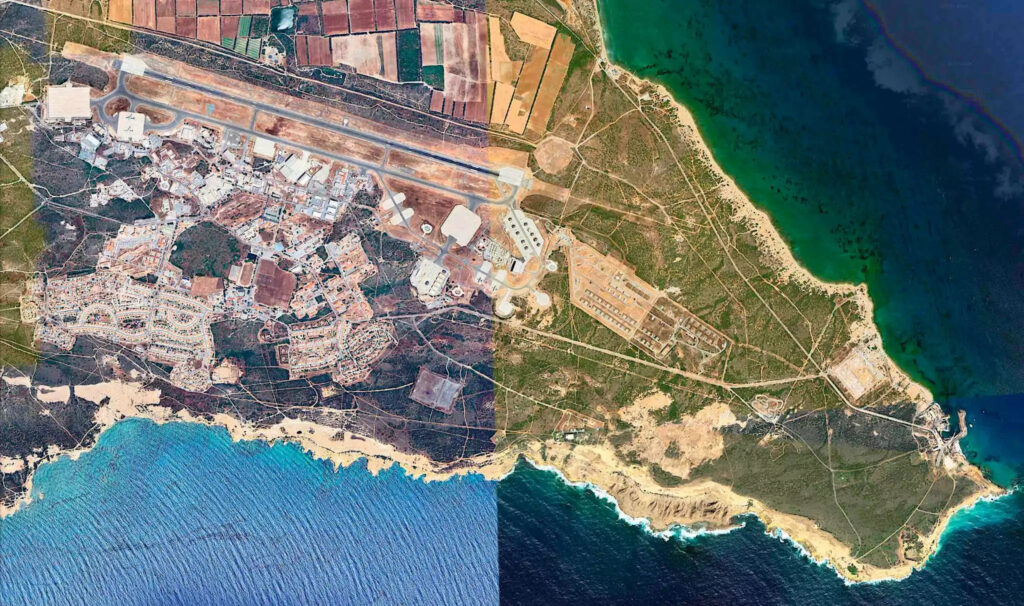
Surveillance and equipment
According to evidence gathered by the Police Crime Investigation Department (CID), the suspect allegedly sent photographs to third parties, potentially connected to Iran’s Revolutionary Guards based on initial intelligence assessments.
The suspect operated surveillance equipment, including a Nikon Coolpix P1100 camera, which provides 125x optical zoom capability and high-resolution imaging. Such equipment is commonly employed for espionage and surveillance purposes. Additionally, he carried three mobile phones during his alleged operations.
Court submissions detail the suspect’s movements on 20 June, when he travelled from his residence in Limassol to the “Andreas Papandreou” airbase in Paphos using two buses, subsequently hiring a vehicle from Paphos airport. This visit occurred shortly after American transport aircraft and marines arrived at the facility.
The suspect resided in Zakaki, an area adjacent to RAF bases in Limassol, where he was initially observed conducting suspicious pedestrian surveillance whilst carrying photographic equipment.
Legal framework and penalties
Cyprus’s Criminal Code defines publishing defence-related information as unlawfully disclosing “any plan, pattern, note, document, item, information or news related to any fortification works, means or defence works, barracks, military stores, or other places occupied or used by or for the needs of the Republic’s armed forces.” The offence carries a maximum six-year prison sentence.
The espionage charge applies to anyone who “for any purpose harmful to the security or interests of the Republic” obtains or transmits information “intended or capable of being directly or indirectly useful to any other state.” This felony charge carries a maximum 10-year sentence.
Entering prohibited areas without written permission from the Interior Minister constitutes a criminal offence punishable by up to six years imprisonment.
The seized equipment from the suspect has undergone analysis by the police. Authorities discovered cash in the suspect’s possession during arrest and searches of his residence, leading to money laundering charges based on suspicions that the funds derived from illegal activities.
The suspect has changed legal counsel twice since June, recently appointing a third lawyer to represent him in the 28 July proceedings.
Connected operations
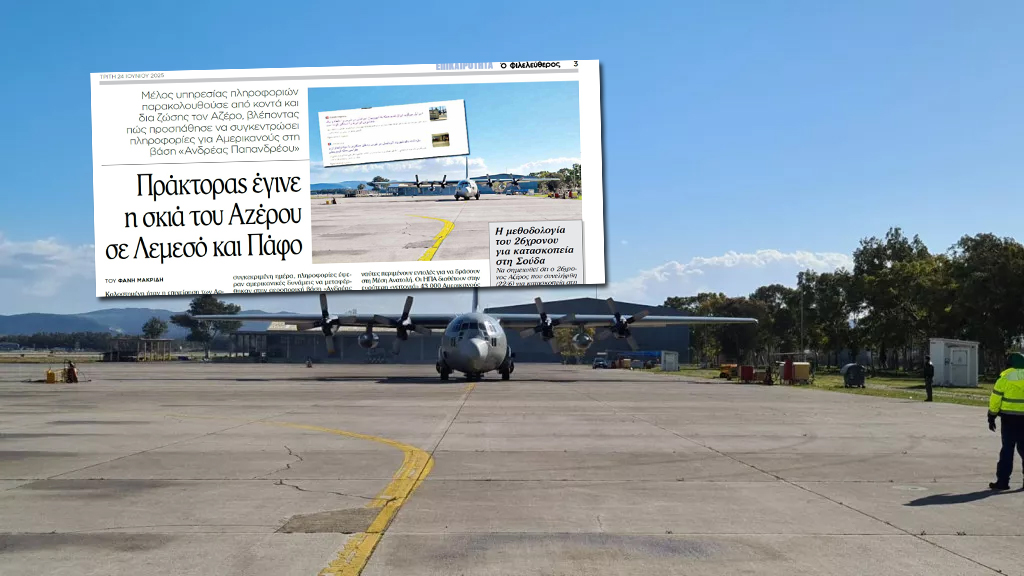
Greek authorities arrested a 26-year-old Azerbaijani national in Chania, Crete, on 22 June 2025, one day after the Cyprus detention. The suspect employed identical methodology, possessing a similar Nikon Coolpix camera purchased in Athens.
The Greek case involved surveillance of Souda naval base, with authorities discovering photographs of military installations and vessel movements. The suspect allegedly used encryption software to transmit large file volumes to unknown contacts, mirroring the operational pattern observed in Cyprus.
Read more:

